Russian
 English
 Romaian
 Portuguese (Brazil)
 Greek
Greek

Are Hydrocarbon Refrigerants the Future of Energy-Efficient Cooling?
Networking |
2026-09-30 04:00:41
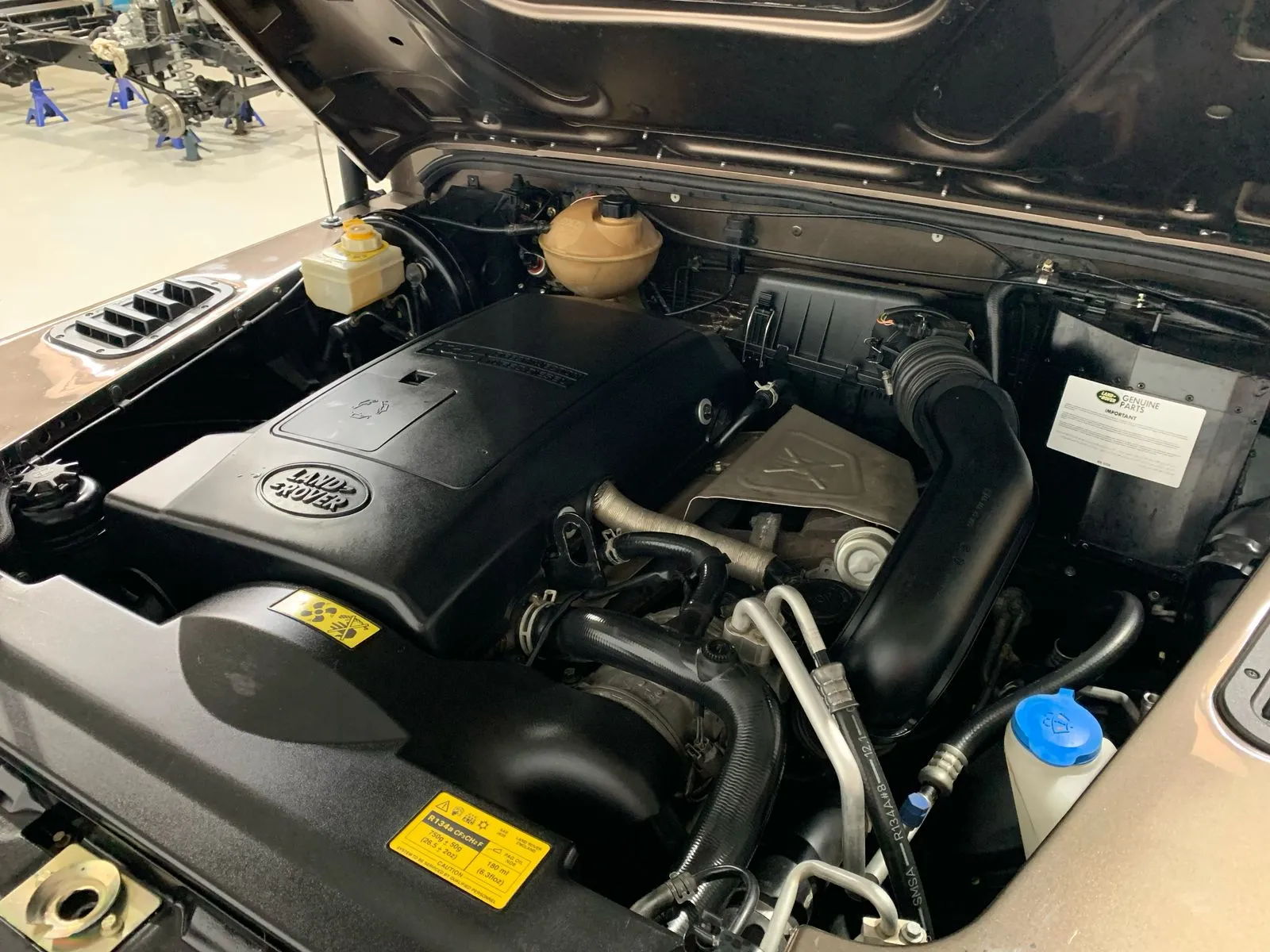
The reputation of Land Rover is built on durability, luxury, and outstanding off-road capability. One of the most important elements behind this reputation is the Land Rover engine. Designed to perform in extreme environments, Land Rover engines combine modern engineering, efficiency, and power. Whether driving through city streets or challenging terrains such as deserts, mountains, and muddy trails, these engines are built to deliver reliable performance.
Over the years, Land Rover has developed various types of engines, including petrol, diesel, hybrid, and advanced turbocharged engines. These engines are designed not only to provide strength and durability but also to improve fuel efficiency and reduce emissions. This article explores the design, technology, performance, and evolution of Land Rover engines.
Land Rover began its journey in 1948 when the first vehicle was introduced as a simple yet powerful off-road machine. Early Land Rover engines were basic four-cylinder petrol engines that focused mainly on durability and practicality rather than luxury or speed.
As the company evolved, engine technology improved significantly. During the 1980s and 1990s, Land Rover introduced more powerful V8 engines that provided greater torque and performance. These engines helped the brand gain popularity among drivers who wanted both power and off-road capability.
Later, under the ownership of Jaguar Land Rover, the company invested heavily in research and development. Modern Land Rover engines now feature advanced technologies such as turbocharging, direct fuel injection, and hybrid systems. These improvements have helped Land Rover remain competitive in the luxury SUV market.
Land Rover vehicles are equipped with several different types of engines, each designed for specific performance needs.
Petrol engines are known for their smooth and powerful performance. Land Rover petrol engines often include turbochargers to increase power without increasing engine size. These engines provide fast acceleration and quiet operation, making them ideal for luxury SUVs.
Many petrol engines in Land Rover vehicles use advanced combustion technology that improves fuel efficiency while maintaining high performance levels.
Diesel engines have long been popular in Land Rover vehicles due to their high torque and excellent fuel economy. These engines are especially useful for off-road driving, towing, and long-distance travel.
Diesel Land Rover engines are designed to deliver strong pulling power at low speeds, which is essential when driving on rough terrain or climbing steep hills.
In recent years, Land Rover has begun introducing hybrid and electric technologies to reduce environmental impact. Hybrid engines combine a petrol engine with an electric motor, allowing the vehicle to use less fuel and produce fewer emissions.
Some modern Land Rover models now include plug-in hybrid systems that allow short distances to be driven using only electric power.
One of the most significant innovations in Land Rover engine design is the Ingenium engine family. These engines were developed by Jaguar Land Rover to provide a balance of performance, efficiency, and environmental responsibility.
Ingenium engines are modular, meaning they share common components across different engine sizes. This design approach allows engineers to produce both four-cylinder and six-cylinder engines using similar architecture.
The advantages of Ingenium engines include:
Reduced engine weight
Improved fuel efficiency
Lower carbon emissions
Higher performance output
These engines also feature turbocharging technology, which increases power by forcing more air into the engine’s combustion chamber.
Land Rover engines are known for delivering strong and reliable performance. Whether it is a compact SUV or a large luxury model, the engine must provide enough power to handle challenging driving conditions.
For example, vehicles such as the Land Rover Defender and the Range Rover require engines capable of producing high torque. Torque is essential for off-road driving because it helps the vehicle move through mud, sand, rocks, and steep terrain.
Some Land Rover engines can produce more than 500 horsepower, allowing the vehicles to combine luxury comfort with sports-level performance. Advanced transmission systems work alongside the engine to deliver smooth gear changes and maximum power delivery.
One of the most unique aspects of Land Rover engines is their ability to perform in extreme conditions. Off-road driving places significant stress on an engine, including steep inclines, water crossings, and uneven terrain.
Land Rover engineers design engines with several features that support off-road capability:
High torque at low engine speeds
Strong cooling systems to prevent overheating
Sealed electrical components for water resistance
Durable internal engine materials
These features ensure that the engine continues to perform even in harsh environments where ordinary engines might fail.
Modern automotive companies must focus on reducing fuel consumption and emissions. Land Rover engines have evolved to meet strict environmental standards without sacrificing performance.
Technologies used to improve efficiency include:
Start-stop systems that turn the engine off when the vehicle is stationary
Turbocharging to increase power while reducing fuel usage
Lightweight engine materials such as aluminum
Advanced fuel injection systems
These improvements allow Land Rover vehicles to achieve better fuel economy while still maintaining their famous off-road capabilities.
Engine reliability is essential for vehicles that are often driven in challenging conditions. Land Rover engines are built with high-quality materials and undergo extensive testing to ensure durability.
However, regular maintenance is important to keep the engine operating efficiently. Owners are advised to follow manufacturer recommendations for:
Oil changes
Air filter replacement
Cooling system maintenance
Regular engine inspections
Proper maintenance helps extend engine life and ensures consistent performance over many years.
The future of Land Rover engines is closely connected to the global shift toward electrification. Jaguar Land Rover has announced plans to develop more hybrid and fully electric vehicles in the coming years.
Future engine technology will likely focus on:
Fully electric powertrains
Improved battery technology
Reduced emissions
Intelligent energy management systems
While traditional petrol and diesel engines may continue to exist for some time, electric technology will play a major role in the future of the brand.
Land Rover engines represent a powerful combination of engineering innovation, performance, and reliability. From early four-cylinder engines to modern hybrid systems, the company has continuously improved its technology to meet the demands of drivers around the world.
These engines are designed not only for speed and power but also for durability in extreme environments. With advanced technologies such as turbocharging, hybrid systems, and the Ingenium engine family, Land Rover continues to set high standards in the luxury SUV industry.
For more information.