Russian
 English
 Romaian
 Portuguese (Brazil)
 Greek
Greek

How Electrolysis Hair Removal Enhances Your Confidence
Health |
2026-08-04 10:09:52
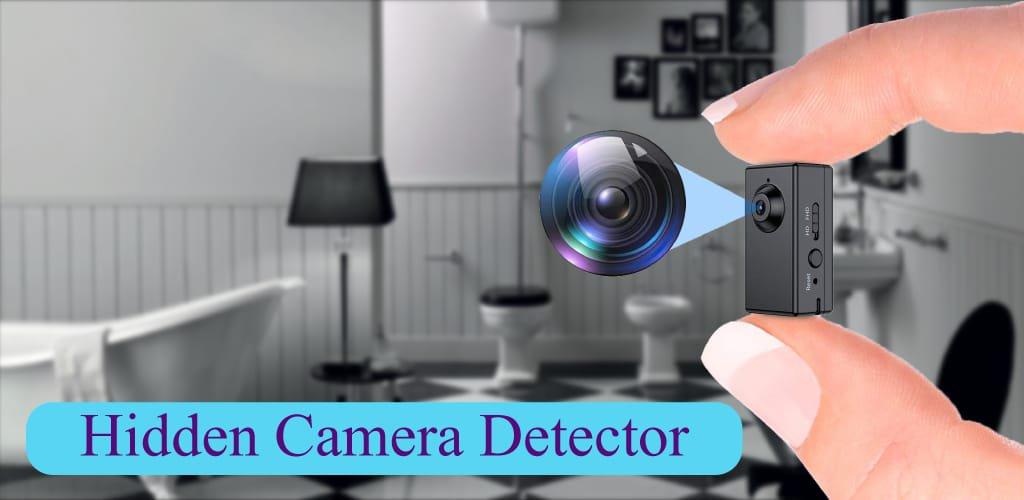
Privacy has become an important concern for people staying in hotels, renting vacation properties, or using shared accommodation. Although most properties are managed responsibly, the possibility of unauthorized recording can make travelers feel uncomfortable. A hidden camera detector can help identify potential surveillance devices and provide an additional layer of privacy protection when used correctly.
Hidden cameras can be designed to blend into everyday objects, making them difficult to recognize during a quick inspection. Some devices use wireless connections, while others store recordings locally or operate through wired systems. For this reason, no single detection method can identify every type of hidden camera. Understanding how detection tools work and how they should be used can help people make more informed decisions about personal security.
Whether you are preparing for a business trip, staying in a vacation rental, or checking a private room, a practical approach to privacy can make a meaningful difference.
Modern surveillance technology has become smaller and more accessible. Cameras may be installed for legitimate security purposes, but recording someone in a private space without proper authorization raises serious privacy concerns.
In some cases, a device may be visible but its purpose may not be immediately clear. In other situations, a camera may be concealed inside an object that appears ordinary.
Here are several reasons why people consider checking their surroundings:
Travel safety: Guests may want to check hotel rooms and vacation rentals before settling in.
Personal privacy: Bedrooms, bathrooms, and changing areas deserve particular attention.
Rental accommodation: Temporary living spaces may contain unfamiliar electronic equipment.
Workplace concerns: Employees may want to understand whether recording equipment has been installed appropriately.
Peace of mind: A reasonable inspection can help reduce uncertainty without unnecessary worry.
It is important to remember that the presence of an electronic device does not automatically mean that a hidden camera has been installed. Smoke alarms, motion sensors, routers, and other household equipment may look unfamiliar but serve legitimate purposes.
Different detection tools rely on different technologies. Before choosing a device, it is useful to understand what each method can and cannot identify.
Radio frequency (RF) detectors scan for certain radio signals that may be emitted by wireless electronic devices.
Some wireless cameras transmit video or communicate with a network, allowing their signals to be detected under suitable conditions.
However, RF detection has limitations. A camera that records footage locally, operates without transmitting, or remains inactive during the scan may not be detected. Other electronics, including Wi-Fi routers and Bluetooth devices, can also trigger alerts.
For better results, unnecessary wireless electronics can be temporarily identified or accounted for before scanning. Any unfamiliar signal should be investigated rather than automatically treated as evidence of surveillance.
Some detection tools use visible light or specialized illumination to help identify reflections from camera lenses.
A lens may reflect light differently from the surrounding material, particularly when viewed from an appropriate angle. This technique can be useful when inspecting small openings, decorative objects, and electronic equipment.
The method is not foolproof. Reflective surfaces, screws, glass, and other materials may produce similar reflections. Small lenses may also be difficult to distinguish under poor lighting conditions.
A lens reflection tool should therefore be treated as an inspection aid rather than a guarantee that every camera will be found.
Certain cameras use infrared illumination to capture images in low-light conditions. Specialized detection equipment may help identify some infrared light sources that are difficult to see with the naked eye.
Nevertheless, not all cameras use infrared illumination, and some infrared sources may be invisible to ordinary visual inspection. A phone camera may reveal certain infrared sources, but results depend on the phone's camera hardware and any infrared-blocking filter.
This method works best as one part of a broader inspection process.
Some connected cameras communicate through Wi-Fi or other networks. Network inspection tools may reveal unfamiliar devices connected to a network that you are authorized to examine.
However, network scanning is not a complete solution. A camera could use another network, a cellular connection, wired connectivity, or local storage. An unfamiliar device name also does not prove that a camera is present.
Network information should be interpreted carefully, especially in shared accommodation where multiple legitimate devices may be connected.
A systematic inspection is generally more useful than searching randomly. Start with areas where privacy matters most, and pay attention to objects that appear unusual or have no clear purpose.
When entering a bedroom, look around the room without dismantling furniture or electrical equipment.
Potential inspection points include:
Decorative objects positioned toward the bed.
Unfamiliar electronic devices facing private areas.
Small openings in objects that seem out of place.
Newly installed equipment whose purpose is unclear.
Devices positioned in unusual locations without an obvious function.
These observations should be treated as reasons to investigate, not as proof of a concealed camera.
Bathrooms and changing areas require particular sensitivity because unauthorized recording in these locations can seriously violate personal privacy.
A brief visual inspection may include unfamiliar objects, unusual openings, or electronic equipment that appears unnecessary for the space.
Do not remove fixtures, open electrical panels, or dismantle installed equipment. If something appears suspicious, avoid touching it and report the concern to the property manager or an appropriate authority.
Living rooms may contain legitimate security devices, smart speakers, televisions, and other connected equipment. Their presence alone does not establish wrongdoing.
Check whether recording equipment has been disclosed and whether its location and purpose are consistent with the property's stated arrangements. If the information provided is unclear, ask the host or property manager for clarification.
A careful inspection process can improve the usefulness of detection equipment and help prevent false alarms.
Different detectors have different operating ranges, sensitivity settings, and detection methods. The manufacturer's instructions should be reviewed before use.
Make sure the device is charged, functioning correctly, and suitable for the type of inspection you intend to perform.
Begin by looking for unfamiliar devices, unusual placements, and objects that seem inconsistent with the room's normal purpose.
A visual inspection can provide useful context before electronic scanning begins.
Divide the room into manageable sections, such as the sleeping area, bathroom, living space, and entryway.
Follow the detector's recommended scanning distance and movement instructions. Avoid rushing through the process, as a hurried scan may produce inconsistent results.
An alert should not be interpreted as confirmation of a hidden camera. Wireless electronics, environmental interference, and reflective materials can all produce misleading results, depending on the detection method.
Repeat the scan when appropriate and compare the alert with what can be observed visually. If uncertainty remains, seek assistance from a qualified professional.
If an object appears to be an unauthorized recording device in a private area, avoid handling or dismantling it.
Where safe and lawful, record the object's location and take photographs from a reasonable distance. Contact the property manager, accommodation provider, platform, or relevant local authority as appropriate.
If you believe you are being recorded in a private space, consider leaving the area while the concern is investigated.
Detection tools vary considerably in functionality, build quality, and ease of use. The most suitable option depends on where you intend to use it and the types of devices you want to check for.
Some products combine RF scanning with lens reflection inspection or other detection features. Having multiple methods available can support a more comprehensive inspection, although it does not guarantee complete detection.
Before purchasing, confirm which technologies are actually included rather than relying solely on broad marketing claims.
A portable device with clear controls and understandable alerts may be more practical for travelers than complicated equipment requiring extensive technical knowledge.
Look for straightforward instructions, accessible settings, and an operating process that can be followed consistently.
For frequent travelers, compact dimensions and reliable battery performance can be important. A lightweight detector is easier to carry in luggage and use when moving between accommodation locations.
Battery life should be considered alongside the manufacturer's stated operating conditions.
Reliable product information should explain the supported frequency ranges, detection methods, operating limitations, and intended applications.
Be cautious of products advertised as capable of detecting every hidden camera in every environment. Such claims are difficult to justify because camera technologies and operating conditions vary widely.
Even a well-intentioned inspection can become less effective when incorrect assumptions are made.
Avoid these common mistakes:
Relying on one detection method: Different cameras operate in different ways, so one tool may not identify every device.
Assuming every alert is genuine: Normal electronics can generate signals that resemble suspicious activity.
Ignoring the manufacturer's instructions: Incorrect settings or scanning techniques may reduce a device's effectiveness.
Dismantling unfamiliar equipment: Opening electrical fixtures can create safety risks and may damage property.
Making accusations without evidence: Unusual objects should be investigated carefully before conclusions are drawn.
Expecting absolute certainty: Consumer detection devices can reduce uncertainty, but they cannot guarantee that a room is completely free of recording equipment.
A balanced approach helps keep the inspection practical, safe, and evidence-based.
Detection tools are only one part of a broader privacy strategy. Additional precautions can help protect personal information and reduce unnecessary exposure.
Consider the following measures when staying in unfamiliar accommodation:
Review the property's stated surveillance policy before booking.
Ask the host or management about unfamiliar equipment when necessary.
Keep sensitive conversations and personal information away from spaces where recording arrangements are unclear.
Use trusted accommodation providers and report concerns through official channels.
Avoid connecting personal devices to unfamiliar networks unless necessary.
Seek professional assistance if there is credible evidence of unauthorized surveillance.
Privacy laws differ by location, and the rules governing recording, disclosure, and consent may vary. If a serious incident is suspected, local legal guidance may help clarify the available options.
Protecting personal privacy requires awareness, reasonable precautions, and an understanding of the limitations of available technology. A hidden camera detector can be a useful tool for inspecting unfamiliar environments, but its effectiveness depends on the detection methods used, the operating conditions, and the type of camera involved. By combining a careful visual inspection with appropriate detection equipment and responsible reporting, travelers and property users can take practical steps to protect their privacy. The goal should not be to eliminate every uncertainty through technology alone, but to make informed decisions, respond appropriately to credible concerns, and feel more confident in personal spaces.