

Have you ever looked at two photos and thought the people in them had similar facial features? It can be challenging to compare faces when lighting conditions, camera angles, facial expressions, and other factors change how the images look. However, artificial intelligence is assisting with that process as it compares visible facial features in photographs.
The face matching app, which operates on the basis of artificial intelligence technology, helps to analyze facial features of the two people and compare images. The knowledge of how it works will help to understand more about its abilities and limitations.
How Does Artificial Intelligence Work in Face Comparison?
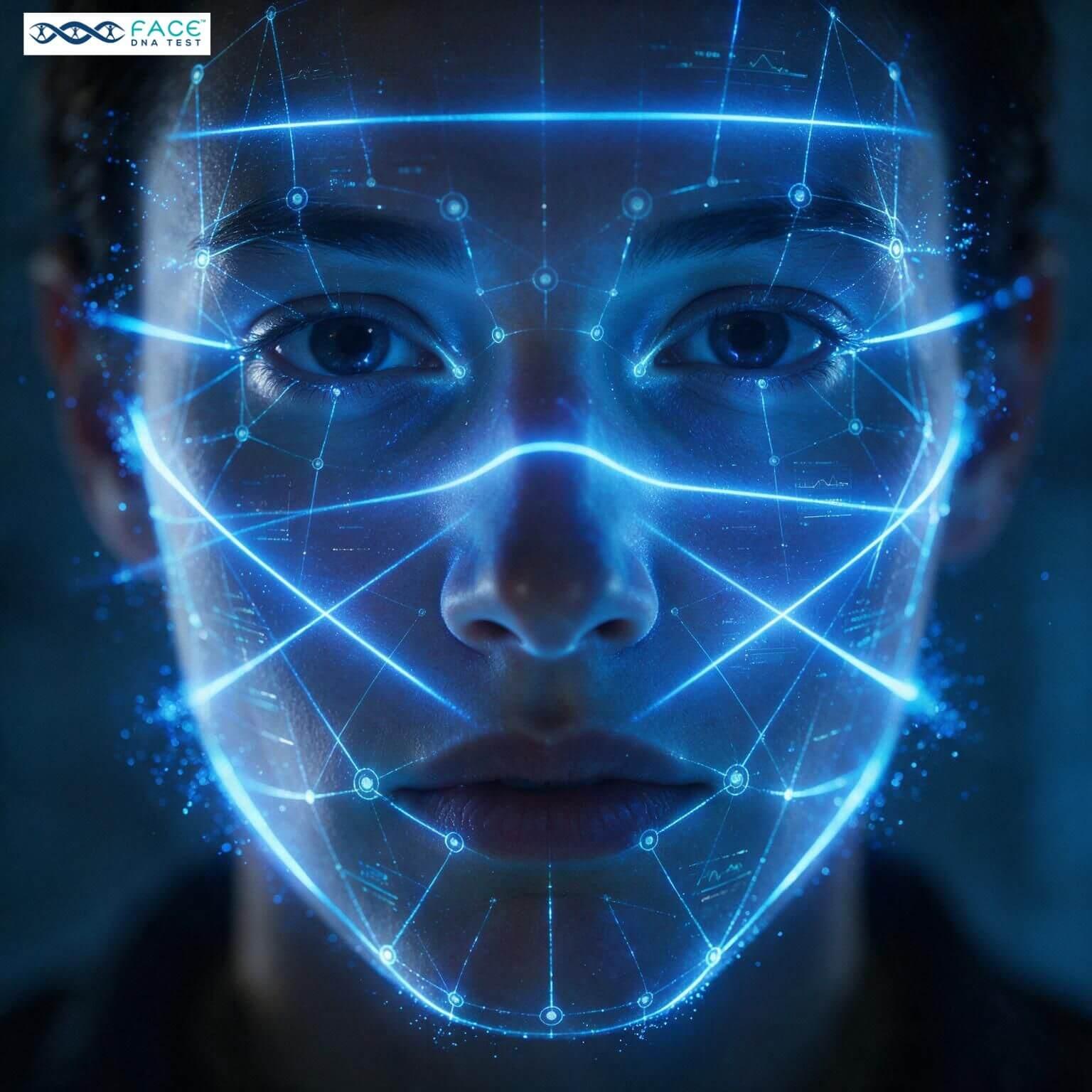
AI analyzes the patterns and visual data present in the photographs. Unlike human analysis, computer vision and machine learning methods are used to study the features of human faces.
The process is usually done through three stages:
-
Face detection: The program finds out where the face is in the uploaded photo.
-
Feature analysis: This includes the study of the visible features like face shape, eye distance, nose structure, lip shape, and jawline.
-
Comparison: The program compares the analyzed visual data and gives the similarity score.
For instance, when comparing two portraits, an AI-based facial matching application can point out similarities in the face proportions and the shapes of some of its features.
But it does not mean that there is any blood relation between those people.
Which Facial Features Can AI Compare?
It becomes more effective if users know what factors impact facial comparison. Several visible characteristics can be examined by the system to detect patterns between photos.
Face Shape and Structure
Face shape plays a vital role in defining one’s facial appearance. It can be determined whether two faces share common features regarding the shape and structure of an oval, round, square, or heart-shaped.
Eyes, Nose, and Lips
The distance between the eyes, nose width, nostril shape, lip proportions, and general facial structure may be taken into account during the visual comparison process.
Jawline and Chin
The jawline and chin shape make up the bottom part of one’s face. It may also play a role in defining overall facial similarity.
All these factors may be used to figure out why two people look alike, even though none of them guarantees biological similarity.
What Makes a Face Matching App Useful?
A face comparison app can simplify a process that would otherwise require manually examining multiple photographs. Its usefulness depends on image quality, analysis methods, and how clearly it communicates results.
Common advantages include:
-
Faster comparisons: Users can compare two photographs without manually examining every facial detail.
-
Consistent analysis: AI can assess selected facial characteristics using the same general process.
-
Easy accessibility: Many tools offer straightforward interfaces that do not require technical knowledge.
-
Visual insights: Results can help users notice similarities they might otherwise overlook.
For better comparisons, use clear, front-facing photographs with similar lighting and minimal obstructions. Avoid heavily edited pictures, sunglasses, and extreme camera angles because they can affect the analysis.
Can an AI Facial Matching App Identify Family Relationships?
One common question is whether similar facial features indicate that two people are biologically related.
The answer is no. Facial resemblance alone cannot confirm parenthood, sibling relationships, or other family connections. People who are not related can share similar facial characteristics, while biological relatives may look noticeably different. A face recognition app can analyze visual patterns, but it cannot establish genetic relationships through photographs alone.
DNA testing is the appropriate method when someone needs reliable evidence of biological relationships. Facial comparison should therefore be treated as an observation tool rather than a substitute for genetic testing. Facial resemblance comparisons can offer interesting observations about visible similarities, but facial analysis should not be confused with scientific DNA verification. Face DNA Test, based in Fort Worth, is one example of a service in this field.
Final Thought
Facial comparison has been made easier through the use of artificial intelligence, which enables users to analyze visible attributes in pictures. A face matching app can be used to identify facial traits that have similarities in terms of structure, distance between eyes, and nose shapes, among others, within a few seconds.
Nonetheless, technology has its drawbacks as well. Factors such as lighting conditions and image quality may affect the outcome, and similarity in looks does not mean anything in terms of genetic relations. Anyone researching facial similarities should move on to using high-quality photos and seeking a DNA testing expert.