

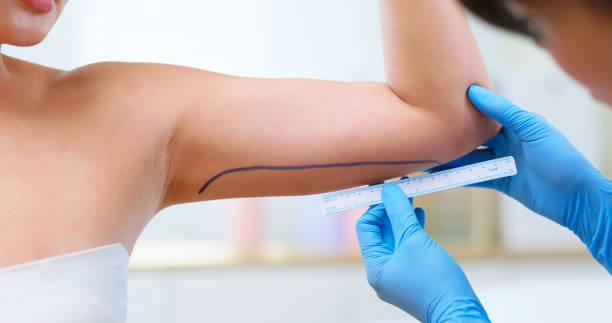

Achieving a balanced body shape is a personal goal for many individuals who want to improve their overall appearance and feel more comfortable with their proportions. However, certain areas of fat can remain resistant to lifestyle changes, including regular exercise and a balanced diet. Modern cosmetic surgery offers different approaches to addressing these concerns, with liposuction being one of the established procedures for targeted fat removal and body contouring.
Interest in liposuction in Riyadh has grown among individuals exploring modern aesthetic treatments and personalized surgical solutions. The procedure focuses on removing localized fat deposits to create smoother body contours while maintaining natural-looking proportions. Understanding how surgical fat removal works, which areas can be treated, and what influences the results can help individuals make informed decisions.
Understanding Surgical Fat Removal and Body Contouring
Liposuction is a cosmetic surgical procedure designed to remove excess fat from specific areas of the body. It uses specialized instruments and techniques to extract unwanted fat deposits and improve the overall appearance of treated areas.
Unlike general weight-loss approaches, liposuction focuses on body contouring rather than reducing overall body weight. It is generally considered for individuals who are relatively close to their desired weight but have localized fat deposits that do not respond easily to lifestyle adjustments.
The purpose of the procedure is to create better-defined body proportions without producing an artificial or overly sculpted appearance. A personalized treatment approach considers the individual's natural anatomy, fat distribution, skin condition, and aesthetic expectations.
Why Natural-Looking Body Contours Matter
Natural-looking results are an important consideration in modern cosmetic surgery. Rather than focusing exclusively on removing the largest possible amount of fat, contemporary body contouring emphasizes balance and proportion.
Every individual has a different body structure, which means that the same surgical technique may produce different results depending on the treatment area and personal anatomy. Removing too much fat from a particular region can create uneven contours or an unnatural appearance.
A carefully planned procedure aims to maintain the relationship between different body areas. For example, improving the waistline may involve considering the surrounding abdomen, hips, and flanks to achieve a more harmonious appearance.
For individuals researching liposuction in Riyadh, understanding the importance of proportion can help establish realistic expectations and encourage a more personalized approach to treatment.
Common Areas Addressed Through Liposuction
Liposuction can be performed on several body regions where localized fat deposits affect overall contours. The appropriate treatment areas depend on individual anatomy, medical suitability, and the desired outcome.
Abdominal Fat Removal
The abdomen is one of the most commonly considered areas for liposuction. Fat deposits around the upper and lower abdomen can influence the appearance of the waistline and overall body proportions.
Surgical fat removal may help reduce localized abdominal fullness and create a smoother contour. However, liposuction does not remove significant amounts of loose skin or correct weakened abdominal muscles.
Waist and Flank Contouring
Fat deposits around the waist and flanks can sometimes make the body's natural curves less noticeable. Liposuction may help refine these areas and create a more defined transition between the waist and hips.
Treatment planning considers the surrounding body structure to avoid excessive fat removal and maintain balanced proportions.
Thigh Fat Reduction
The inner and outer thighs may develop localized fat deposits that influence the appearance of the legs. Liposuction can address selected areas to improve contour definition.
The surgeon must consider skin elasticity and the natural shape of the thighs when determining whether the procedure is appropriate.
Arms and Upper Body Contouring
The upper arms may retain localized fat that affects their overall appearance. In suitable candidates, liposuction can help reduce excess fat and create a more refined arm contour.
The condition of the skin is particularly important because removing fat does not automatically tighten loose or stretched skin.
Back and Other Treatment Areas
The back, hips, and selected areas beneath the chin may also be considered for targeted fat removal. Each area requires a different surgical assessment because fat thickness, tissue structure, and skin characteristics vary throughout the body.
Modern Liposuction Techniques and Their Applications
Advancements in cosmetic surgery have introduced different liposuction techniques designed to support controlled fat removal. The most appropriate method depends on the treatment area, the amount of fat being addressed, and the surgeon's assessment.
Traditional Suction-Assisted Liposuction
Traditional liposuction involves inserting a thin tube called a cannula through small incisions. The cannula is used to loosen and remove unwanted fat through suction.
This established technique can be used on several body areas and allows the surgeon to shape the treated region according to the planned contours.
Tumescent Liposuction
Tumescent liposuction involves introducing a specialized fluid into the treatment area before fat removal. The solution generally contains saline, a local anesthetic, and a medication that helps reduce bleeding.
This approach can help make fat extraction more controlled and may improve patient comfort during the procedure.
Ultrasound-Assisted Liposuction
Ultrasound-assisted liposuction uses sound-wave energy to help break down fat cells before they are removed. It may be considered for selected treatment areas, depending on the patient's anatomy and the surgeon's preferred approach.
Laser-Assisted Liposuction
Laser-assisted liposuction uses laser energy to help disrupt fat cells before extraction. Some techniques may also produce a degree of tissue tightening, although results vary and should not be considered a substitute for surgery specifically intended to remove significant excess skin.
Individuals exploring liposuction in Saudi Arabia should understand that no single technique is suitable for everyone. The choice should be based on medical assessment rather than popularity or marketing claims.
How Personal Anatomy Influences Liposuction Results
A successful body contouring plan begins with understanding the individual's natural anatomy. Factors such as fat distribution, skin elasticity, body proportions, and existing tissue characteristics can influence the surgical approach and expected outcome.
Skin elasticity is particularly important because the skin needs to adapt to the body's new contours after fat removal. Individuals with good elasticity may experience smoother adaptation, while those with significant skin laxity may require additional treatment considerations.
Fat distribution also differs from one person to another. Some individuals accumulate fat around the abdomen, while others experience more noticeable deposits around the thighs, hips, or upper arms.
A detailed consultation allows the surgeon to evaluate these differences and determine whether liposuction can realistically address the patient's concerns.
Who May Be Suitable for Liposuction?
Liposuction is generally intended for individuals who have localized fat deposits and are seeking improvements in body contours rather than major weight reduction.
Suitable candidates often have relatively stable body weight, reasonable skin elasticity, and realistic expectations about surgical outcomes.
However, the procedure is not appropriate for everyone. Certain medical conditions, smoking habits, circulation problems, and other health considerations may increase surgical risks or affect recovery.
Liposuction is not a treatment for obesity, and it does not replace healthy eating habits or regular physical activity. A qualified surgeon should review the patient's medical history and overall health before recommending surgery.
What Happens During the Liposuction Journey?
The treatment process usually begins with a consultation to understand the patient's concerns, desired changes, and medical background.
During the assessment, the surgeon examines the areas being considered for treatment and discusses suitable techniques. Photographs, physical measurements, and medical evaluations may also form part of the planning process.
The procedure is performed using an appropriate form of anesthesia. Small incisions are created in selected areas, allowing the surgeon to insert the cannula and remove targeted fat deposits.
After surgery, patients may experience swelling, bruising, tenderness, and temporary discomfort. Compression garments are commonly recommended to support the treated areas during recovery.
Recovery varies according to the extent of surgery and individual healing. Patients should follow their surgeon's instructions regarding physical activity, wound care, follow-up appointments, and returning to normal routines.
Safety Considerations and Possible Risks
Although liposuction is an established cosmetic procedure, it is still surgery and carries potential risks. Understanding these risks is an important part of making an informed decision.
Possible complications include infection, bleeding, fluid accumulation, changes in skin sensation, contour irregularities, and reactions to anesthesia. More serious complications, although less common, can also occur.
The likelihood of complications depends on several factors, including the patient's health, the extent of fat removal, surgical technique, and the qualifications of the medical team.
Choosing an appropriately qualified plastic surgeon and an accredited surgical facility is essential. Patients should also communicate their medical history and follow all preoperative and postoperative instructions.
Understanding Long-Term Results After Liposuction
Liposuction can produce lasting changes in the treated areas because some fat cells are permanently removed during surgery. However, the remaining fat cells can still increase in size if significant weight gain occurs.
Maintaining a relatively stable weight is therefore important for preserving the results. Balanced nutrition, regular exercise, and healthy daily habits can support long-term body contour maintenance.
It is also important to understand that final contours do not appear immediately. Swelling gradually decreases over time, and the body requires an appropriate healing period before the results become more visible.
Patients should discuss realistic timelines with their surgeon rather than expecting immediate final results.
Exploring Liposuction in Riyadh and Across Saudi Arabia
The growing interest in cosmetic procedures has encouraged more individuals to explore modern body contouring options throughout the region. People researching liposuction in Riyadh often want to understand available surgical techniques, treatment suitability, recovery expectations, and the importance of professional expertise.
Similarly, searches for liposuction in Saudi Arabia reflect an interest in understanding surgical fat removal options across different locations.
When considering treatment, patients should look beyond the procedure's name and focus on the surgeon's qualifications, the safety standards of the facility, the quality of the consultation, and the availability of appropriate follow-up care.
A personalized approach helps ensure that treatment recommendations are based on individual needs rather than generalized aesthetic expectations.
Frequently Asked Questions
What Is Liposuction Used For?
Liposuction is used to remove localized fat deposits from selected body areas and improve overall body contours. It is a body-shaping procedure rather than a primary weight-loss treatment.
Is Liposuction in Riyadh Suitable for Everyone?
No. Suitability depends on several factors, including general health, body weight, skin elasticity, fat distribution, and personal expectations. A professional medical consultation is necessary before proceeding.
Which Body Areas Can Be Treated With Liposuction?
Common treatment areas include the abdomen, waist, flanks, thighs, upper arms, back, hips, and selected areas beneath the chin. The appropriate areas depend on individual anatomy and medical assessment.
What Is the Difference Between Liposuction and Weight-Loss Surgery?
Liposuction removes localized fat deposits to improve body contours. Weight-loss surgery, on the other hand, is intended to help eligible individuals manage obesity by changing digestive processes or stomach capacity.
How Long Does It Take to Recover From Liposuction?
Recovery varies according to the treatment area, surgical extent, and individual healing. Some patients resume light activities within days, while swelling and tissue healing may continue for several weeks or longer.
Are Liposuction Results Permanent?
Fat cells removed during liposuction do not normally return. However, remaining fat cells can enlarge with weight gain, potentially affecting the body's new contours. Maintaining a stable weight supports longer-lasting results.
Conclusion
Achieving natural-looking body contours through surgical fat removal requires more than selecting a cosmetic procedure. It involves understanding individual anatomy, evaluating skin elasticity, choosing an appropriate surgical technique, and developing realistic expectations. Liposuction can help address stubborn fat deposits and refine selected body areas when performed on suitable candidates by qualified professionals.
For individuals researching liposuction in Riyadh or exploring liposuction in Saudi Arabia, professional guidance is an important part of the decision-making process. Learning about treatment options, safety considerations, and recovery can help patients approach cosmetic surgery with greater confidence. Enfield Royal Clinic Saudi is one of the names individuals may explore when researching aesthetic treatment options, while ensuring that any surgical decision is based on appropriate medical consultation, qualified expertise, and individual suitability.


