

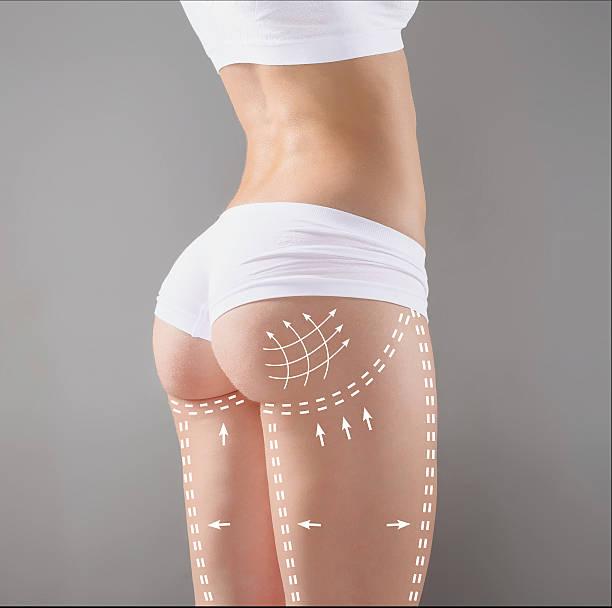

Body shape and fat distribution vary from person to person. Some individuals may notice stubborn fat deposits around their abdomen, thighs, hips, arms, or other areas despite maintaining a healthy lifestyle. These concerns can influence body proportions and make certain areas difficult to improve through diet and exercise alone. Modern cosmetic procedures offer different approaches to addressing localized fat deposits, with liposuction being one of the commonly considered options.
Liposuction in Riyadh(عملية شفط الدهون في الرياض) is an increasingly discussed body contouring procedure for individuals interested in refining specific areas of their bodies. The treatment focuses on removing localized fat deposits to create more balanced body contours rather than serving as a general weight-loss solution. Understanding which areas can be treated, how the procedure works, and what influences the results can help individuals make informed decisions.
Understanding Liposuction and Its Purpose
Liposuction is a surgical body contouring procedure designed to remove unwanted fat from selected areas. It involves inserting a thin tube, known as a cannula, through small incisions to loosen and remove fat using suction. Depending on the treatment plan, different techniques may be considered to address individual anatomical characteristics and cosmetic goals.
The primary purpose of liposuction is to improve body proportions by reducing localized fat deposits. It is not intended to replace healthy eating habits, physical activity, or medically supervised weight management. Instead, it may be appropriate for individuals who are relatively close to their desired weight but have specific areas of fat that remain resistant to lifestyle changes.
Which Areas of the Body Can Be Treated With Liposuction?
One of the important aspects of modern body contouring is the ability to address different areas according to individual needs. The treatment plan depends on fat distribution, skin elasticity, body structure, and the person's overall health. Several body regions can be considered for liposuction.
Abdominal Area
The abdomen is one of the most commonly requested areas for fat removal. Some individuals develop persistent fat deposits around the upper abdomen, lower abdomen, or both. These deposits can affect the appearance of the waistline and make the stomach appear less defined.
Liposuction may help reduce localized abdominal fat and improve the overall contour of the midsection. However, it does not remove significant amounts of loose skin or repair separated abdominal muscles. Individuals with considerable skin laxity may require an alternative or additional procedure, depending on their needs.
Waist and Flanks
The waist and flanks, commonly referred to as the love handle area, can influence the overall shape of the torso. Fat accumulation around the sides of the waist may create a less defined transition between the upper body and hips.
Targeted fat removal in these regions may help create smoother waist contours and improve the body's natural proportions. Treatment planning considers the front, sides, and back of the waist to achieve balanced results rather than focusing on a single isolated area.
Thighs
Fat deposits around the inner and outer thighs can affect leg proportions. Some individuals experience fat accumulation in the inner thighs, which may cause friction, while others notice fullness around the outer thighs.
Liposuction may be considered for both areas when localized fat is present. The treatment aims to refine the thigh contour while maintaining natural-looking proportions. Skin elasticity is particularly important because removing fat from an area with poor skin firmness may result in loose or uneven skin.
Upper Arms
Fat accumulation around the upper arms can make them appear fuller, particularly around the back and outer portions. This concern may remain even when someone maintains a relatively stable weight.
Arm liposuction can reduce selected fat deposits and create a more refined arm contour. However, individuals with significant loose skin may not achieve their desired appearance through fat removal alone. A professional assessment helps determine whether liposuction or another body contouring approach is more appropriate.
Back and Bra Line
The upper and lower back can develop localized fat deposits that affect the appearance of clothing and overall body proportions. Some individuals notice fullness around the bra line, while others experience fat accumulation around the lower back.
Liposuction may help address these specific deposits and create smoother transitions between the back, waist, and surrounding areas. Careful treatment planning is important because fat distribution differs considerably between individuals.
Hips and Outer Thighs
The hips and outer thighs contribute significantly to the body's overall silhouette. Fat accumulation in these regions may create a wider appearance or alter the natural transition between the waist and legs.
Targeted liposuction can help refine these areas by reducing selected fat deposits. The objective is to maintain proportion and avoid excessive fat removal that could produce an unnatural appearance.
Chin and Neck
Liposuction may also be used for selected individuals with localized fat beneath the chin or around the upper neck. This area can influence the appearance of the jawline and the transition between the face and neck.
Submental liposuction may help reduce fullness beneath the chin and create a more defined profile. However, skin elasticity, facial anatomy, and the underlying structures must be evaluated before treatment. Not everyone with a fuller neck is an appropriate candidate for this procedure.
Liposuction Techniques Used for Different Body Areas
Different surgical techniques may be considered depending on the treatment area, the amount of localized fat, and the patient's anatomy. The surgeon determines which approach is appropriate after examining the individual.
Traditional Liposuction
Traditional liposuction uses a cannula and suction to remove unwanted fat deposits. It remains an established approach for treating various body regions, including the abdomen, thighs, arms, and waist.
Tumescent Liposuction
Tumescent liposuction involves introducing a specialized fluid into the treatment area before fat removal. This fluid helps prepare the tissue for the procedure and can reduce blood loss and discomfort during surgery.
Ultrasound-Assisted Liposuction
Ultrasound-assisted liposuction uses ultrasonic energy to help break down fat cells before removal. It may be considered for selected treatment areas where the surgeon believes this technique is beneficial.
Laser-Assisted Liposuction
Laser-assisted liposuction uses laser energy to help disrupt fat cells before they are removed. Depending on the technique and individual circumstances, it may also produce some tissue-tightening effects. However, significant loose skin cannot reliably be corrected through liposuction alone.
How to Determine Which Areas Need Treatment
Choosing the appropriate treatment area requires more than identifying where unwanted fat is located. A professional consultation helps establish whether liposuction is suitable and what results may realistically be achieved.
The assessment generally considers body composition, fat distribution, skin elasticity, medical history, and personal expectations. The surgeon may also examine whether multiple areas can safely be addressed during the same procedure.
For example, someone concerned about abdominal and waist fat may benefit from an overall body contouring assessment rather than treating these regions independently. Similarly, individuals with loose skin may need to discuss procedures other than liposuction.
Who May Be a Suitable Candidate for Liposuction?
Liposuction is generally intended for individuals with localized fat deposits that remain despite maintaining healthy lifestyle habits. Being close to a stable and healthy weight can be beneficial when considering the procedure.
Suitable candidates typically have reasonable skin elasticity, realistic expectations, and no medical conditions that would make surgery unsafe. A detailed medical evaluation is necessary because individual circumstances influence surgical suitability.
People considering Liposuction in Riyadh should understand that the procedure is not designed to treat obesity, eliminate cellulite, or guarantee permanent body shape regardless of future weight changes. Maintaining a stable weight and following healthy habits can help preserve the results.
What to Expect During the Liposuction Procedure
The treatment process begins with a consultation and physical examination. Once the treatment areas and surgical approach have been determined, the procedure is scheduled according to the patient's individual requirements.
Liposuction may be performed using local anesthesia with sedation or general anesthesia, depending on the extent of treatment and the surgical plan. Small incisions are made near the selected areas, and a cannula is used to loosen and remove unwanted fat.
The duration of surgery varies according to the number of areas being treated and the complexity of the procedure. Afterward, patients receive recovery instructions, which may include wearing compression garments and limiting strenuous physical activity for a specified period.
Recovery and Results After Liposuction
Recovery is an important part of the body contouring process. Swelling, bruising, tenderness, and temporary changes in sensation are common after surgery. These effects generally improve gradually, although the recovery timeline varies between individuals.
Compression garments may be recommended to support the treated areas and help manage swelling. Patients should follow their surgeon's instructions regarding wound care, physical activity, medication, and follow-up appointments.
Initial changes may become noticeable as swelling decreases, but final contours can take several months to develop. The results are intended to be long-lasting because removed fat cells do not grow back. However, remaining fat cells can enlarge with weight gain, potentially changing the body's appearance.
As with any surgical procedure, liposuction carries potential risks, including infection, bleeding, fluid accumulation, contour irregularities, and complications related to anesthesia. Understanding these risks and following professional medical guidance are essential.
Understanding Liposuction in Saudi Arabia
Interest in Liposuction in Saudi Arabia reflects the growing awareness of modern cosmetic and body contouring procedures. Individuals exploring treatment options often want to understand the available techniques, suitable treatment areas, recovery requirements, and expected outcomes.
When researching surgical options, it is important to prioritize qualified surgical professionals, appropriate medical facilities, and individualized treatment planning. A consultation should provide a clear explanation of the procedure, possible complications, realistic expectations, and alternative treatments.
Patients should also avoid choosing a procedure solely because of trends or advertised results. The most appropriate approach is one that considers individual anatomy, medical suitability, and long-term well-being.
Conclusion
Liposuction offers an approach to reducing stubborn fat deposits in several body areas, including the abdomen, waist, thighs, arms, back, hips, and chin. The procedure focuses on improving body contours and creating more balanced proportions rather than achieving significant overall weight loss. Understanding the available techniques, recovery process, and potential risks helps individuals make more informed decisions about treatment.
For those researching Liposuction in Riyadh or Liposuction in Saudi Arabia, a personalized consultation is an important starting point. Enfield Royal Clinic Saudi is a name individuals may explore when researching cosmetic treatment options and body contouring services. Ultimately, selecting an appropriate treatment should involve careful medical assessment, realistic expectations, and guidance from a qualified surgical professional.
Frequently Asked Questions
1. Which body areas can be treated with liposuction in Riyadh?
Liposuction may address localized fat deposits in the abdomen, waist, flanks, thighs, upper arms, back, hips, and beneath the chin. The appropriate areas depend on individual anatomy, skin elasticity, and medical suitability.
2. Is liposuction suitable for abdominal fat removal?
Yes, liposuction may be suitable for individuals with localized abdominal fat deposits. However, it does not treat significant loose skin or separated abdominal muscles, so a professional assessment is important.
3. Can liposuction treat multiple body areas at once?
Multiple areas may sometimes be treated during one surgical session. However, the decision depends on the patient's health, the amount of fat being removed, anesthesia considerations, and overall surgical safety.
4. How long does recovery take after liposuction in Saudi Arabia?
Recovery varies depending on the treatment area and extent of surgery. Many individuals resume light daily activities within a few days, while swelling and complete tissue recovery may take several weeks or months.
5. Are liposuction results permanent?
The fat cells removed during liposuction do not return. However, remaining fat cells can increase in size if a person gains weight. Maintaining a stable weight and healthy lifestyle supports long-term results.
6. How can someone determine whether they are suitable for liposuction in Riyadh?
Suitability is determined through a medical consultation that evaluates overall health, body composition, fat distribution, skin elasticity, and personal expectations. A qualified surgeon can recommend an appropriate treatment approach based on these factors.


