

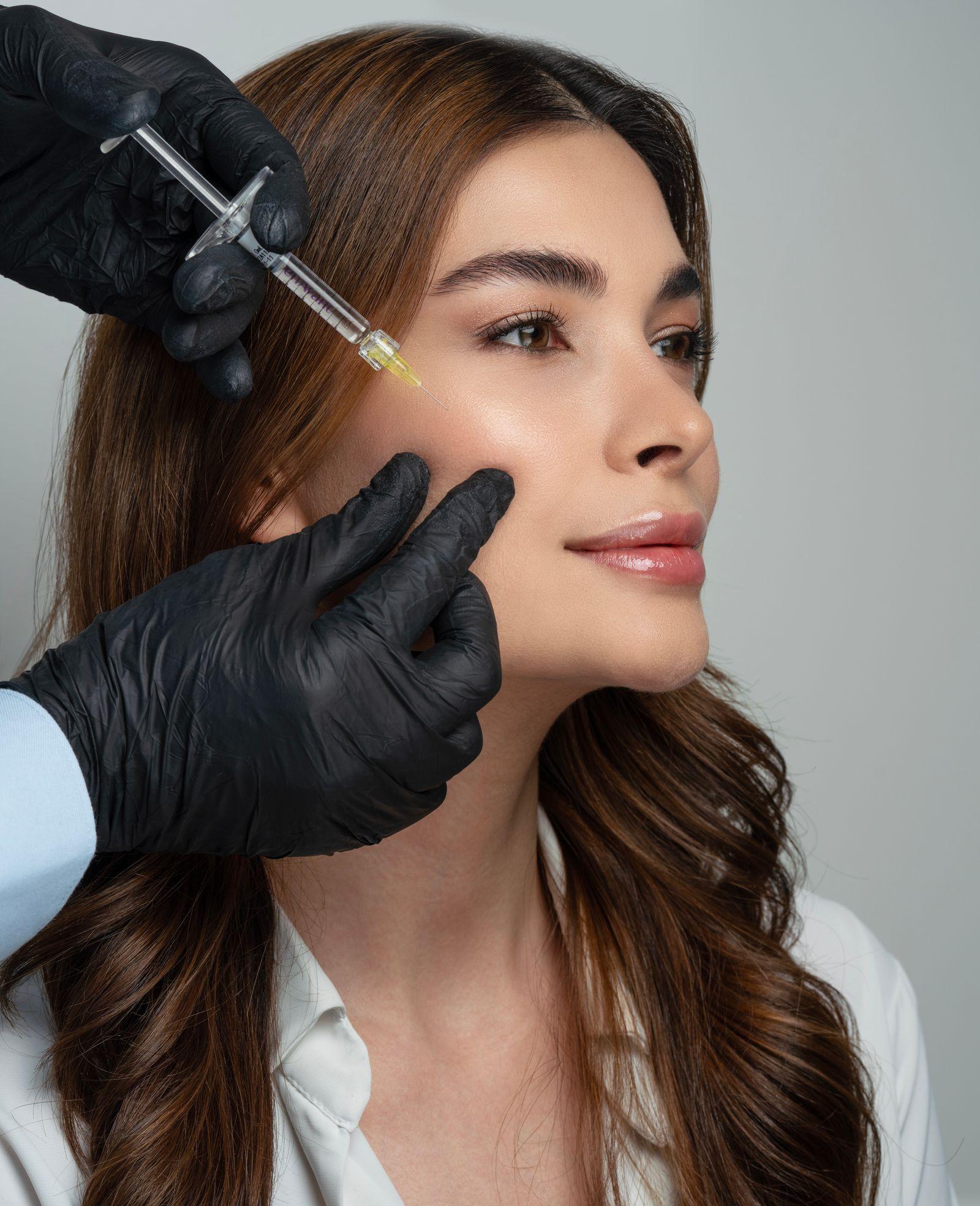
How Radiesse Fillers Work in Dubai: What the Treatment Does, How Long It Lasts and Who It Suits

Radiesse Fillers Injections are a type of dermal filler used to restore volume, smooth deeper lines, and improve the contour of the face and hands. Unlike fillers that work only by taking up space, Radiesse is designed to do two things: give an immediate lifting effect and then encourage the skin to produce its own collagen over the following weeks. This guide explains how the treatment works, where it is used, how long results last, who it suits, and what to ask before booking.
What Is Radiesse Made Of?
Radiesse is made of calcium hydroxylapatite microspheres suspended in a water-based gel. Calcium hydroxylapatite is a mineral-like substance that also occurs naturally in the body, in bones and teeth, which is one reason the product has a long safety record in medical use. Once injected, the gel carrier provides immediate volume, while the microspheres form a scaffold under the skin that stimulates the body's own collagen production. Over time the gel is absorbed and the microspheres are gradually broken down, but the collagen the treatment has encouraged can remain for longer.
This two-stage action is what sets Radiesse apart from hyaluronic acid fillers, which work mainly by attracting water and adding volume. Hyaluronic acid fillers can be dissolved if the result is not right; Radiesse cannot be dissolved in the same way, so the skill of the injector matters even more. That is not a reason to avoid the treatment, but it is a reason to choose the practitioner with care.
Where Is It Used?
Radiesse is most commonly used in the mid-face, where age-related volume loss can make the cheeks look flatter and the folds around the nose and mouth look deeper. It is also used along the jawline to improve definition, in the chin, and on the back of the hands, where thinning skin can make tendons and veins more visible. It is not generally used in the lips: the product is firmer than lip fillers, and the lips need a softer, more flexible material.
A good practitioner will assess your face as a whole rather than treating one line in isolation. Volume loss in one area often affects how neighbouring areas look, and treating the cheeks, for example, can soften the folds below them without any product being placed in the folds themselves. If a clinic suggests treating many areas at once on a first visit, ask why, and consider starting with a smaller amount and reviewing the result before adding more.
What Happens During the Appointment?
A Radiesse appointment starts with a consultation. The practitioner should ask about your medical history, allergies, medicines, and any previous filler or aesthetic treatments, and should examine your face and discuss what you hope to achieve. This is also the point at which a responsible clinic will explain what Radiesse can and cannot do, and will say no if the treatment is not right for you.
The treatment itself usually takes between thirty minutes and an hour. The skin is cleaned, a topical numbing cream may be applied, and the product is injected with a fine needle or a blunt-tipped cannula. Radiesse also contains a small amount of lidocaine, a local anaesthetic, which helps keep the injections comfortable. You should expect the practitioner to check the result as they work, to massage the area gently to distribute the product evenly, and to show you the result before you leave.
Mild swelling, redness, or tenderness afterwards is common and usually settles within a few days. Bruising is possible, particularly in areas with many small blood vessels, and it can take a week or so to fade. Small lumps under the skin can occasionally be felt in the first days; most settle on their own, but anything that persists should be checked by the clinic.
How Long Do Results Last?
One of the main reasons people choose Radiesse is its duration. The immediate lifting effect is visible straight away, and the collagen-stimulating effect develops over the following weeks, so the result often looks better at two to three months than it did on the day of treatment. Results commonly last around a year or longer, although this varies with the area treated, the amount used, and the individual. Hands, for example, tend to need top-ups sooner than the cheeks because the hands are used constantly and exposed to the sun.
It is important to understand that no filler is permanent, and no clinic can guarantee exactly how long your result will last. Anyone who is told a precise duration as a certainty is being given a sales figure, not a medical one. The honest way to think about it is as a treatment that needs to be repeated at intervals, and the total cost over time should be part of the decision from the start.
Who Suits Radiesse, and Who Should Be Cautious?
Radiesse suits people with mild to moderate volume loss who want a natural-looking lift rather than a dramatic change. It is often chosen by people in their late thirties and older, when the cheeks and jawline start to lose definition. It is less suitable for people who want a very subtle top-up in a delicate area, for whom a softer hyaluronic acid filler is usually a better choice.
There are also people who should not have the treatment. Anyone with an active skin infection, a rash, or inflammation in the area to be treated should wait until it has cleared. People with a history of severe allergies, keloid scarring, or certain autoimmune conditions should discuss the treatment with their own doctor first. Anyone who is pregnant or breastfeeding should avoid it. And anyone who has had a different filler in the same area should tell the practitioner, because mixing products can affect the result.
Safety and Side Effects
Radiesse has been used in medicine for many years and has a well-established safety record when it is given by a trained professional using a genuine product. The most common side effects are minor and short-lived: swelling, redness, bruising, tenderness, and itching at the injection site. More serious complications are uncommon but possible, including infection, lumps that do not settle, and, rarely, injury to a blood vessel. The risk of a serious complication is higher when the injector is inexperienced or when the product is not genuine, which is another reason to use only a licensed clinic that can say where its products come from.
In Dubai, UAE, aesthetic treatments should be carried out by DHA-licensed professionals in licensed facilities. Before booking, it is reasonable to ask the clinic for its licence details, for the name and qualifications of the person who will give the injections, and for confirmation that the product is genuine Radiesse from an authorised supplier.
Aftercare: What to Do After Treatment
Aftercare for Radiesse is simple but worth following. Avoid touching or pressing the treated area for the rest of the day, and do not apply make-up for a few hours. Avoid strenuous exercise, saunas, and alcohol for the first day, and avoid dental work or facial treatments for at least two weeks, because pressure on the area can move the product while it is settling. Sun protection is important: ultraviolet light breaks down collagen, which works directly against what the treatment is trying to achieve.
Keep a note of the date, the areas treated, and the amount used, and take a photograph in consistent lighting before you start if you want an honest way to judge the change. Memory is a poor judge of gradual facial changes, and a dated photograph is more reliable than either the clinic's before-and-after marketing or your own impression.
How to Choose a Provider
Choosing a provider matters more than choosing a brand of filler. Look for a licensed clinic with DHA-licensed professionals, a proper consultation before any treatment, clear written information about the amount to be used and the total cost, and an honest discussion of what the treatment can and cannot achieve. The clinic should be willing to say no to unsuitable patients, should show you the product packaging, and should never guarantee a specific result or push you to treat more areas than you asked about.
Enfield Royal Clinic Dubai is one of the clinics in Dubai, UAE, where a consultation can be used to discuss whether Radiesse is appropriate for you, what a realistic treatment plan would involve, and what it would cost in total before you commit to anything. Whoever you choose, the consultation itself is the test: if it feels rushed, if your questions are brushed aside, or if the price depends on signing up for a large amount on the spot, choose another provider.
Frequently Asked Questions
Does Radiesse hurt?
Most people find the treatment uncomfortable rather than painful. A numbing cream is usually applied first, and the product itself contains lidocaine, which helps. You may feel pressure and a stinging sensation as the product is injected, and the area can feel tender for a day or two afterwards.
How soon will I see the results?
The lifting effect is visible immediately, and the result often improves over the following weeks as collagen production increases. Most people see the full effect at around two to three months, which is why a review appointment at that point is useful before deciding whether more product is needed.
Is Radiesse better than hyaluronic acid fillers?
Neither is better in general — they suit different needs. Radiesse gives a firmer lift, lasts longer, and stimulates collagen, but it cannot be dissolved if the result is not right. Hyaluronic acid fillers are softer, can be dissolved, and suit delicate areas such as the lips. The right choice depends on the area being treated and the result you want.
Can Radiesse be used on the hands?
Yes. The backs of the hands are one of the approved uses, and Radiesse is often chosen there because it restores volume and makes tendons and veins less visible. Results on the hands tend to last less long than on the face, so top-ups are usually needed sooner.
What should I avoid after Radiesse?
For the first day, avoid touching the treated area, strenuous exercise, saunas, and alcohol. For at least two weeks, avoid dental work and facial treatments that put pressure on the area. Sun protection should be part of the routine throughout, because ultraviolet light breaks down the collagen the treatment is encouraging.
Conclusion
Radiesse is a well-established filler with a genuine difference from hyaluronic acid products: it lifts immediately and then encourages the skin to build its own collagen, which can give a longer-lasting, natural-looking result. The treatment is straightforward, the safety record is good when it is given by a trained professional, and the main risks come from choosing the wrong provider or expecting more than the product can deliver. If you decide to go ahead, Radiesse injections should be given by licensed professionals in a licensed clinic, after a proper consultation, with your expectations set by the evidence rather than by a sales pitch.


