

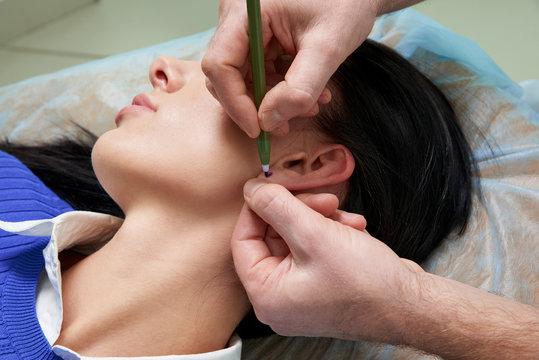

Ear shape and position can influence overall facial appearance and personal confidence. Some people are born with prominent, uneven, or unusually shaped ears, while others may develop concerns following an injury. Ear reshaping, medically known as otoplasty, is a cosmetic procedure designed to improve the appearance, position, or proportion of the ears. Before considering Ear Reshaping in Islamabad, it is important to understand how the procedure works, who may benefit from it, and what to expect during recovery.
Whether you are exploring treatment for yourself or your child, making an informed decision can help you approach the procedure with realistic expectations. Here are five important things to know before undergoing ear reshaping treatment.
What Is Ear Reshaping and How Does It Work?
Ear reshaping, or otoplasty, is a cosmetic surgical procedure that changes the appearance of the outer ear. It commonly addresses prominent ears that stick out more than usual, asymmetrical ears, or certain structural concerns.
The procedure focuses on improving ear proportions while maintaining a natural appearance.
Depending on individual needs, ear reshaping may involve:
-
Ear pinning: Adjusting prominent ears closer to the head.
-
Ear correction: Improving the shape of irregular or uneven ears.
-
Ear symmetry improvement: Addressing noticeable differences between both ears.
-
Cartilage reshaping: Modifying the cartilage to achieve the desired ear contour.
The surgical approach depends on the patient's anatomy, age, cartilage structure, and aesthetic goals. A qualified surgeon evaluates these factors before recommending an appropriate treatment plan.
Five Things to Know Before Ear Reshaping Treatment
Understanding the procedure beforehand helps patients make informed decisions. Here are five essential considerations.
1. Understand Whether You Are a Suitable Candidate
Not everyone has the same ear structure or cosmetic concerns. A professional assessment is necessary to determine whether otoplasty is appropriate.
Generally, suitable candidates may include:
-
Individuals unhappy with prominent or protruding ears.
-
People with noticeable ear asymmetry.
-
Individuals with certain congenital ear shape concerns.
-
Patients seeking correction of specific outer-ear deformities.
-
Children whose ears have developed sufficiently for the procedure, following professional assessment.
For children, surgeons generally consider otoplasty when ear development is sufficiently advanced, often around five to six years of age.
Adults can also undergo ear reshaping if they are in suitable health and have realistic expectations.
During consultation, the surgeon evaluates medical history, ear cartilage, skin condition, and personal goals before discussing treatment options.
2. Know the Different Ear Reshaping Techniques
Ear reshaping is not a one-size-fits-all procedure. The surgical technique depends on the specific concern and the amount of correction required.
Common approaches include:
-
Suture techniques: Permanent stitches are used to adjust cartilage shape or bring prominent ears closer to the head.
-
Cartilage reshaping: The surgeon modifies the cartilage to create a more balanced ear contour.
-
Cartilage removal: In selected cases, a small amount of cartilage may be removed to achieve the intended shape.
Otoplasty is generally performed using local or general anaesthesia, depending on the patient's age, procedure complexity, and surgeon's recommendation.
Understanding the proposed technique helps patients know what changes are possible and what limitations may apply. Always ask your surgeon why a particular approach is suitable for your condition.
3. Consider the Benefits and Possible Risks
One of the main reasons people consider otoplasty is to improve the appearance of prominent or asymmetrical ears. The procedure aims to create better proportions between the ears and the rest of the face.
Potential benefits include:
-
Improved ear position and appearance.
-
Better facial balance and symmetry.
-
Correction of selected outer-ear deformities.
-
Greater comfort with personal appearance.
-
Long-lasting structural improvement.
However, like other surgical procedures, ear reshaping has potential risks. These may include infection, bleeding, scarring, temporary numbness, asymmetry, changes in sensation, or dissatisfaction with the final appearance.
In some cases, additional correction may be required.
A responsible surgeon explains these possibilities before treatment instead of promising perfect or guaranteed results.
4. Understand Recovery Time and Aftercare
Recovery is an important part of the ear reshaping journey. Although the procedure may not require an extended hospital stay, patients need to follow proper aftercare instructions.
Some common recovery experiences include:
-
Mild swelling and bruising around the ears.
-
Temporary discomfort or tenderness.
-
Sensitivity around the treated area.
-
A need to protect the ears while sleeping.
Many patients can return to light daily activities within approximately one week, depending on their recovery and the surgeon's advice. However, complete healing and the final appearance may take several weeks or longer.
Important aftercare recommendations include:
-
Wear the recommended headband or protective dressing.
-
Avoid sleeping directly on the treated ears.
-
Keep the surgical area clean and dry as instructed.
-
Avoid strenuous exercise and contact sports during the recommended recovery period.
-
Attend scheduled follow-up appointments.
-
Contact your surgeon if you notice unusual pain, increasing redness, fever, or discharge.
Following these instructions can support healing and reduce the risk of complications.
5. Choose a Qualified Surgeon and Reliable Clinic
Selecting the right clinic is one of the most important decisions before undergoing cosmetic ear surgery. The surgeon's qualifications, experience, surgical environment, and approach to patient care all matter.
Before choosing a clinic, consider the following factors:
-
Surgeon's qualifications: Verify relevant surgical training and experience in otoplasty or plastic surgery.
-
Consultation process: Choose a clinic that carefully evaluates your ear structure and expectations.
-
Safety standards: Ensure appropriate surgical facilities, hygiene protocols, and anaesthesia arrangements.
-
Transparent communication: Discuss treatment costs, recovery expectations, potential risks, and follow-up care.
-
Patient support: Consider whether the clinic provides clear pre-operative and post-operative guidance.
For individuals exploring Ear Reshaping in Islamabad, SKN Cosmetics in Islamabad is a clinic to consider when researching cosmetic treatment options. Before proceeding, patients should arrange a professional consultation to discuss their concerns, understand the available surgical approaches, and evaluate whether the recommended treatment suits their needs. Reviewing the surgeon's qualifications, relevant experience, clinical facilities, and aftercare arrangements can help patients make a confident and informed decision.
Is Ear Reshaping Worth Considering?
Ear reshaping can be worth considering for individuals who feel uncomfortable with prominent, uneven, or unusually shaped ears. However, the decision should be based on personal preferences, medical suitability, and realistic expectations.
The best results depend on several factors, including:
-
The original ear structure and cartilage.
-
The surgeon's assessment and technique.
-
Individual healing response.
-
Proper post-operative care.
-
Realistic expectations regarding symmetry and appearance.
Rather than focusing only on price or promotional offers, patients should prioritize surgical expertise, safety, and long-term care.
Frequently Asked Questions (FAQs)
1. What is ear reshaping called medically?
Ear reshaping is medically known as otoplasty.
2. Is ear reshaping a surgical procedure?
Yes, traditional otoplasty is a cosmetic surgical procedure that modifies ear shape or position.
3. How long does ear reshaping take?
It commonly takes around one to two hours, depending on the complexity.
4. Is ear reshaping permanent?
Results are generally long-lasting, although healing and individual factors can affect outcomes.
5. How long does recovery take after otoplasty?
Initial recovery often takes around one to two weeks, while complete healing takes longer.
Final Thoughts
Ear reshaping is a specialized cosmetic procedure that can improve the position, shape, and overall appearance of the ears. Before treatment, patients should understand their suitability, available surgical techniques, potential risks, recovery requirements, and the importance of choosing a qualified surgeon. If you are considering ear reshaping in Islamabad, begin with a detailed consultation and make your decision based on professional guidance, safety standards, and realistic expectations.


