Menswear Market Growth Driven by Fast Fashion and Trend Cycles
Other |
2026-04-18 09:36:09
 Russian
 English
 Romaian
 Portuguese (Brazil)
 Greek
Greek
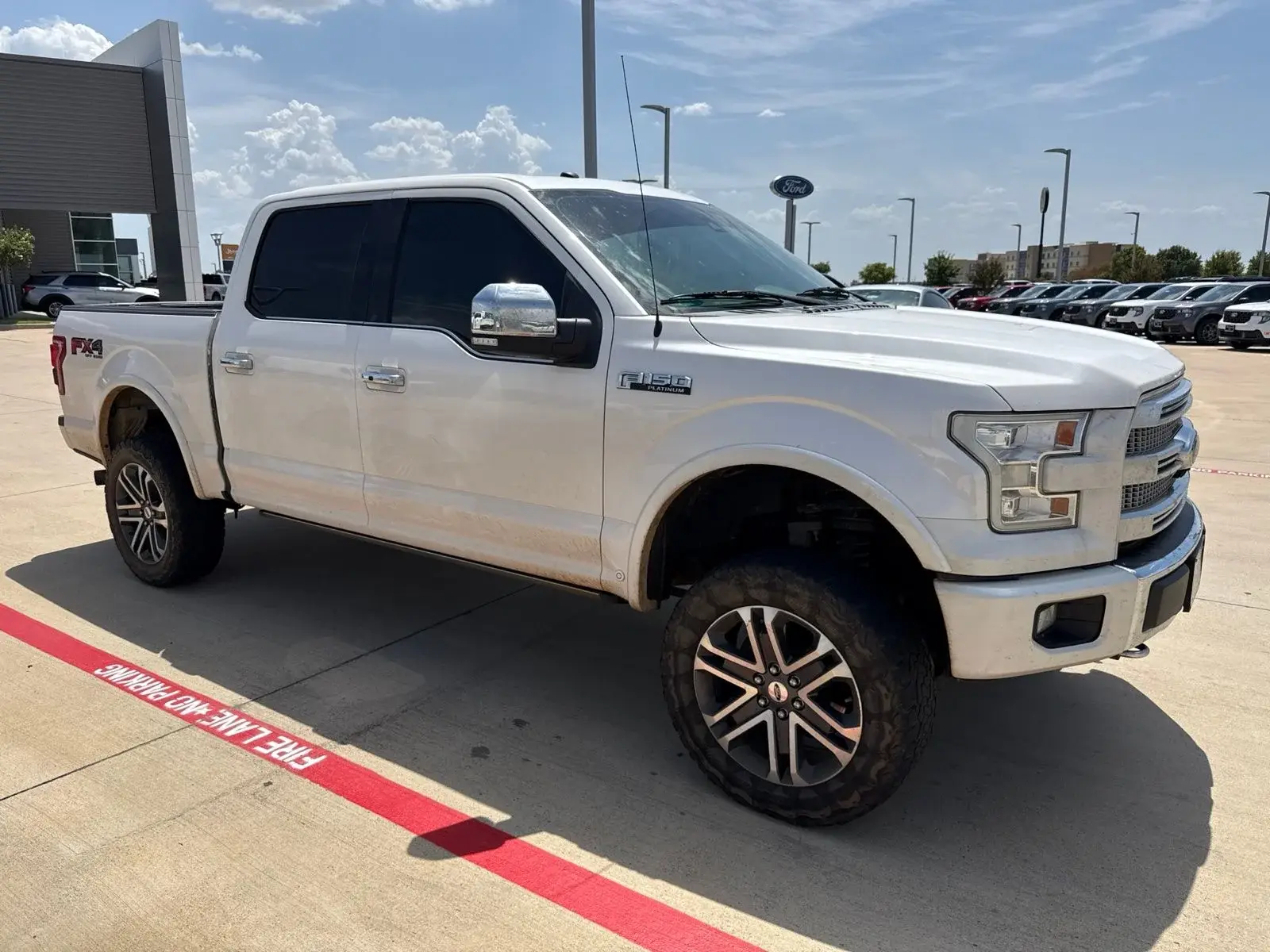
Buying a used car online can save time and give shoppers access to a much wider selection of vehicles. However, having more choices also means buyers need to research carefully before making a decision. From comparing prices to checking vehicle details, a few simple steps can make the process much safer and easier.
The first step is deciding what type of vehicle fits your lifestyle. Consider factors such as passenger space, fuel economy, driving conditions, storage capacity, and your expected annual mileage.
Having clear priorities makes it easier to filter online listings and avoid spending time on vehicles that do not meet your needs.
Never assume that the first attractive listing is the best deal. Compare similar vehicles based on their model year, mileage, condition, features, and location.
Looking at multiple listings gives you a better idea of the current market value and provides useful information when negotiating with a seller.
A good online listing should provide enough information for a buyer to understand the vehicle. Look for clear photographs, accurate mileage, maintenance information, vehicle specifications, and details about its current condition.
If important information is missing, ask the seller questions before arranging a meeting or discussing payment.
Pictures cannot show every problem. Once you find a vehicle that interests you, arrange an opportunity to inspect it in person.
Check the body panels for signs of previous repairs, examine the tires, look under the hood, and inspect the interior. A test drive can also help identify potential issues with the engine, transmission, brakes, steering, or suspension.
For added confidence, consider having an independent mechanic inspect the vehicle.
Documentation is an important part of any used-car purchase. Buyers should verify ownership information, identification numbers, title documents, and any required registration paperwork.
The vehicle information should match the documents before the transaction is completed. Taking this step can help avoid serious problems later.
The purchase price is not the only expense associated with owning a vehicle. Buyers should also consider insurance, fuel, maintenance, registration, taxes, and possible repairs.
A slightly more expensive vehicle in excellent condition may sometimes provide better long-term value than a cheaper vehicle that requires significant repairs.
Online automotive platforms can make the search process more convenient by bringing buyers and sellers together in one place. Using Cars for Sale can help shoppers explore vehicle options and make the comparison process more efficient.
A vehicle purchase should not be rushed. If a deal seems unusually cheap or a seller pressures you to make an immediate payment, take extra time to verify the details.
Research, inspection, documentation checks, and careful negotiation can help you make a more informed purchase.