Introduction
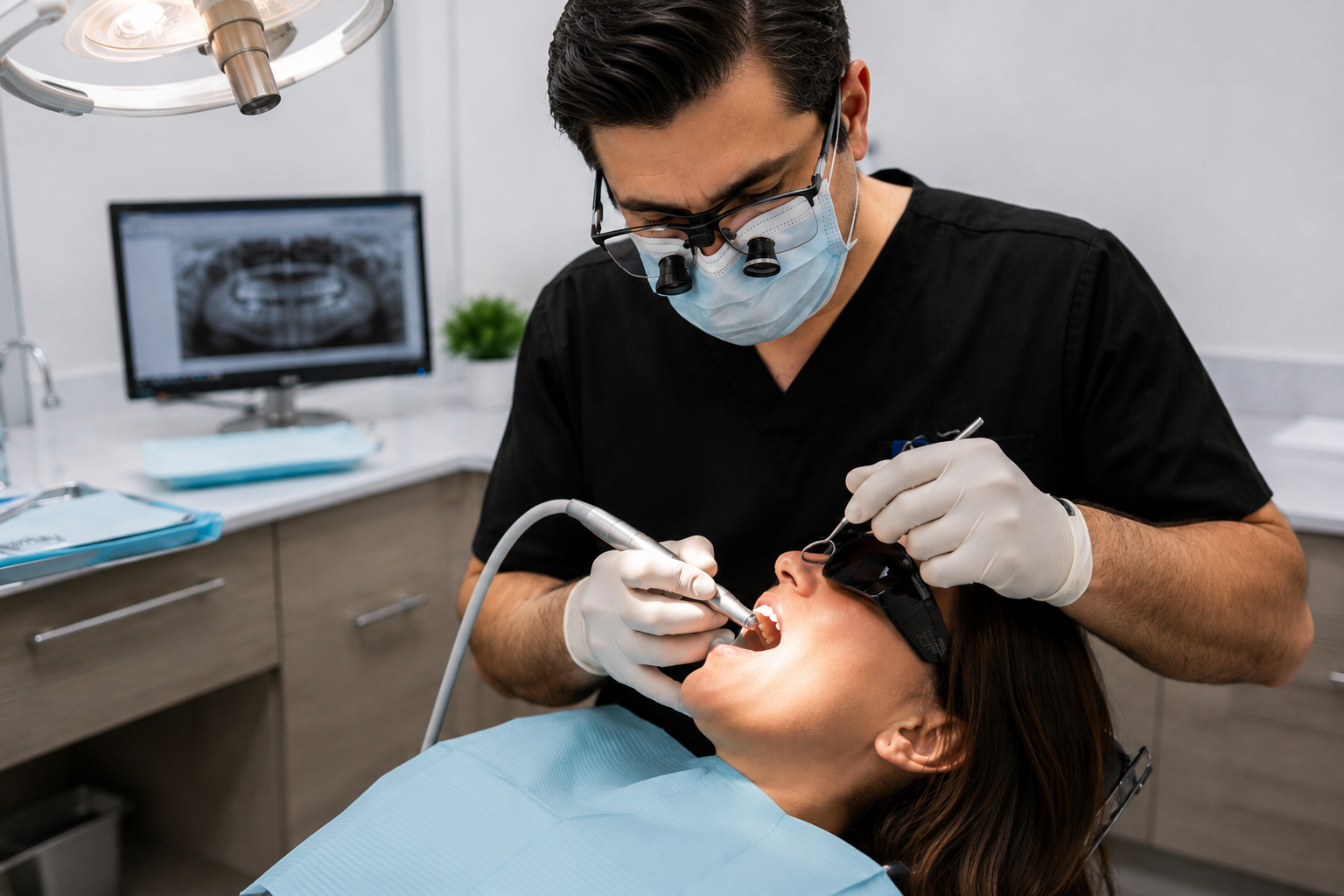
In the demanding world of modern dentistry, where aerosols saturate the air and sharp instruments are handled with precision, Personal Protective Equipment serves as the invisible shield protecting both clinicians and patients. Every procedure—whether a routine cleaning or a complex surgical extraction—carries inherent risks that demand comprehensive protective measures. The threats posed by bloodborne pathogens, airborne contaminants, and chemical splashes make PPE an absolute necessity for every dental practice.
At Dentistry99, we understand that dental professionals demand supplies that perform flawlessly under pressure. As a trusted online dental supply store serving over 12,000 dental professionals across the United States, we stock thousands of clinical-grade products—including comprehensive Personal Protective Equipment and essential dental equipment. This guide explores the complete landscape of protective equipment in dentistry, with special attention to premium options like Saraya Powder-Free Nitrile Examination Gloves, and best practices for maintaining the highest safety standards in your practice.
Understanding Personal Protective Equipment in Dentistry
What Constitutes Personal Protective Equipment?
Personal Protective Equipment refers to the specialized clothing and equipment worn by dental healthcare workers to create a barrier between themselves and potentially infectious materials. This comprehensive system addresses multiple exposure routes—cutaneous, mucous membrane, respiratory, and ocular—forming an integrated defense against occupational hazards.
The Occupational Safety and Health Administration (OSHA) mandates that employers provide appropriate PPE at no cost to employees and ensure its proper use. This regulatory framework establishes Personal Protective Equipment as a non-negotiable element of responsible dental practice.
Why PPE Matters in Dental Settings
Dental procedures inherently generate aerosols, splatter, and droplets containing blood, saliva, and microorganisms. High-speed handpieces, ultrasonic scalers, and air-water syringes create visible spray that can travel significant distances, contaminating surfaces and potentially reaching the clinician's skin and mucous membranes.
Without adequate Personal Protective Equipment, dental professionals face elevated risks of:
-
Bloodborne pathogen transmission (HIV, Hepatitis B and C)
-
Respiratory infections from airborne particles
-
Eye injuries from flying debris or chemical splashes
-
Skin irritation from repeated exposure to disinfectants
-
Allergic reactions to dental materials
PPE also protects patients by preventing microorganisms from being transmitted from clinician to patient, particularly during surgical procedures where the immune system may already be compromised.
Essential Components of Personal Protective Equipment
Gloves: The First Line of Defense
Examination gloves represent the most frequently used PPE in dental practice. Nitrile gloves have become the gold standard, offering superior puncture resistance, chemical resistance, and eliminating latex allergy concerns.
Saraya Powder-Free Nitrile Examination Gloves exemplify premium protection for dental professionals. These gloves offer exceptional barrier integrity, superior tactile sensitivity, and are manufactured without powder to eliminate contamination risks and reduce skin irritation. The powder-free design prevents aerosolized particles from interfering with dental materials and reduces the risk of post-operative complications.
Key glove protocols include:
-
Change between every patient encounter
-
Replace immediately if torn or punctured
-
Never wash and reuse disposable gloves
-
Perform hand hygiene before donning and after removing
Masks and Respirators
Surgical masks protect the nose and mouth from splashes, sprays, and large-particle droplets. For aerosol-generating procedures, higher-level respiratory protection such as N95 respirators may be warranted. Masks should cover both nose and mouth completely, fit snugly, and be changed between patients or when moistened.
Eye and Face Protection
The eyes and facial mucous membranes are vulnerable to injury from flying debris, chemical splashes, and infectious aerosols. Protective eyewear must feature solid side shields, fit comfortably over prescription glasses, and be cleaned and disinfected between patients. Face shields provide additional protection during procedures likely to generate significant splatter.
Protective Clothing
Gowns, lab coats, and scrubs serve as barriers against contamination:
-
Long-sleeved gowns: Cover forearms and protect personal clothing
-
Fluid-resistant materials: Provide enhanced protection during surgical procedures
-
Change frequency: Change when visibly soiled, penetrated, or between high-risk procedures
Choosing the Right Nitrile Examination Gloves
Why Saraya Powder-Free Nitrile Gloves Stand Out
Selecting the right examination gloves is critical for both safety and performance. Saraya Powder-Free Nitrile Examination Gloves represent the pinnacle of glove technology, offering features that enhance both protection and clinical efficiency:
Superior Barrier Protection
Saraya nitrile gloves provide excellent resistance to punctures, tears, and chemical permeation, ensuring reliable protection throughout even the most demanding procedures.
Powder-Free Design
The absence of powder eliminates the risk of contamination with dental materials, reduces skin irritation, and prevents aerosolized particles from compromising the treatment environment.
Exceptional Tactile Sensitivity
Despite their superior barrier properties, Saraya gloves offer excellent tactile feedback, allowing clinicians to maintain the precision required for delicate dental work.
Latex-Free Safety
Nitrile construction eliminates the risk of latex allergic reactions for both clinicians and patients, making these gloves suitable for all dental environments.
Comfortable Fit
Ergonomic design ensures a snug, comfortable fit that reduces hand fatigue during extended procedures.
Types of Gloves for Different Procedures
Examination Gloves
Non-sterile nitrile gloves, such as Saraya Powder-Free Nitrile Examination Gloves, are appropriate for routine examinations, non-surgical procedures, and general patient care.
Sterile Surgical Gloves
Sterile nitrile gloves are required for surgical procedures, implant placement, and any situation requiring contact with normally sterile areas.
Dental Equipment for Infection Control
Sterilization Equipment
Proper dental equipment is essential for breaking the chain of infection. Autoclaves remain the gold standard for sterilizing instruments and handpieces. Class B autoclaves meeting EN13060 standards ensure complete sterilization of even complex instruments.
Surface Disinfection
Treatment room surfaces, equipment, and handles require disinfection between patients. EPA-registered hospital-grade disinfectants with appropriate contact times ensure effective pathogen elimination.
Aerosol Management
High-volume evacuation systems, rubber dams, and advanced suction devices minimize aerosol generation at the source. These equipment solutions complement Personal Protective Equipment by reducing airborne contaminants.
Instrument Processing
Ultrasonic cleaners, instrument washers, and proper packaging materials ensure instruments are thoroughly cleaned and protected before sterilization.
Best Practices for PPE Implementation
Creating a Culture of Safety
PPE effectiveness depends on consistent, correct usage. Practices should:
-
Provide comprehensive training on PPE selection and use
-
Make PPE readily accessible in all treatment areas
-
Lead by example—everyone from hygienists to dentists must comply
-
Conduct regular audits to ensure compliance
-
Update protocols as new evidence and guidelines emerge
Sequence of PPE Application
Proper donning and doffing sequences prevent contamination:
Donning Order:
-
Perform hand hygiene
-
Don gown or protective clothing
-
Apply mask or respirator
-
Place protective eyewear or face shield
-
Don gloves (over gown cuffs)
Doffing Order:
-
Remove gloves
-
Remove gown
-
Perform hand hygiene
-
Remove eyewear
-
Remove mask
-
Perform hand hygiene again
Addressing Common Challenges
Glove Sensitivity and Irritation
Some clinicians experience skin irritation from frequent glove changes. Powder-free options like Saraya nitrile gloves reduce this risk. Moisturizing between shifts and ensuring proper glove sizing can also help.
Vision and Comfort
Protective eyewear can fog or distort vision. Anti-fog treatments, proper fitting, and selecting quality eyewear enhance comfort and compliance.
Supply Chain Management
Maintaining adequate PPE inventory requires planning. Establish relationships with reliable suppliers like Dentistry99 and maintain buffer stock for emergencies.
Why Choose Dentistry99 for Your PPE Needs
Trusted by Dental Professionals Nationwide
At Dentistry99, we are proud to support over 12,000 dental professionals with clinical-grade supplies. Our commitment to quality ensures that every product—from Saraya Powder-Free Nitrile Examination Gloves to surgical instruments—meets rigorous professional standards.
Fast, Reliable Delivery
We understand that running low on critical supplies can disrupt your practice. That's why we offer:
-
Same-day dispatch on orders placed before 2 PM EST
-
1–3 business day delivery across all 50 US states
-
Free shipping on orders over $100
-
99% in-stock rate on critical clinical supplies
Quality-Verified Inventory
Every product is sourced exclusively from vetted, certified suppliers. We audit manufacturing partners regularly to ensure clinical-grade standards are maintained across every order.
Expert Customer Support
Our dedicated support team understands dental practice supply needs. Whether selecting the right gloves or guidance on sterilization protocols, our specialists are available by phone, chat, and email 24/7.
Conclusion
Personal Protective Equipment represents the foundation of safety in dental practice. From gloves that provide superior barrier protection to comprehensive eye, face, and respiratory protection, PPE safeguards both clinicians and patients from occupational hazards.
Premium options like Saraya Powder-Free Nitrile Examination Gloves exemplify the quality standards that modern dental practices demand—superior protection, exceptional comfort, and reliable performance. Investing in quality dental equipment and maintaining rigorous PPE standards demonstrates professional responsibility and commitment to excellence.
At Dentistry99, we are proud to support dental professionals with clinical-grade supplies delivered fast across all 50 states. From Personal Protective Equipment and examination gloves to sterilization products and dental equipment, our online store provides everything your practice needs with competitive pricing, expert support, and a 99% in-stock rate on critical clinical supplies. By prioritizing safety through comprehensive protective measures, we protect our teams, our patients, and the future of our profession.
Frequently Asked Questions (FAQs)
1. What does Personal Protective Equipment include in dentistry?
Personal Protective Equipment in dentistry includes examination gloves, surgical masks, protective eyewear with side shields, face shields, and protective clothing such as gowns or lab coats. Each component addresses specific exposure risks in dental practice.
2. Why are Saraya Powder-Free Nitrile Examination Gloves recommended?
Saraya Powder-Free Nitrile Examination Gloves offer superior barrier protection, exceptional tactile sensitivity, and eliminate powder-related contamination risks. Their latex-free construction makes them safe for both clinicians and patients with latex sensitivity.
3. When should dental professionals change their PPE?
Gloves should be changed between every patient and whenever torn or soiled. Masks should be changed between patients or when moistened. Gowns should be changed when visibly soiled or penetrated.
4. What additional PPE is needed for aerosol-generating procedures?
Aerosol-generating procedures may require higher-level respiratory protection such as N95 respirators, face shields, and fluid-resistant gowns in addition to standard PPE.
5. How should PPE be stored to maintain effectiveness?
Store PPE in a cool, dry location away from direct sunlight, heat sources, and chemicals. Keep gloves in original packaging until use and check expiration dates regularly. Rotate stock to ensure older items are used first.
6. What dental equipment supports infection control?
Essential dental equipment for infection control includes autoclaves for sterilization, ultrasonic cleaners for instrument processing, high-volume evacuation systems for aerosol management, and EPA-registered surface disinfectants.
7. Where can I buy quality Personal Protective Equipment and dental supplies online?
Dentistry99 is your professional online dental supply store, offering Personal Protective Equipment, Saraya nitrile gloves, and thousands of clinical-grade products. Enjoy free shipping on orders over $100, same-day dispatch on orders before 2 PM EST, and delivery within 1–3 business days across all 50 US states.
 Russian
 English
 Romaian
 Portuguese (Brazil)
 Greek
Greek