Teeth Whitening Kits Market Regional Growth, Trends and Global Forecast 2026–2034
Home |
2026-09-28 14:18:40
 Russian
 English
 Romaian
 Portuguese (Brazil)
 Greek
Greek
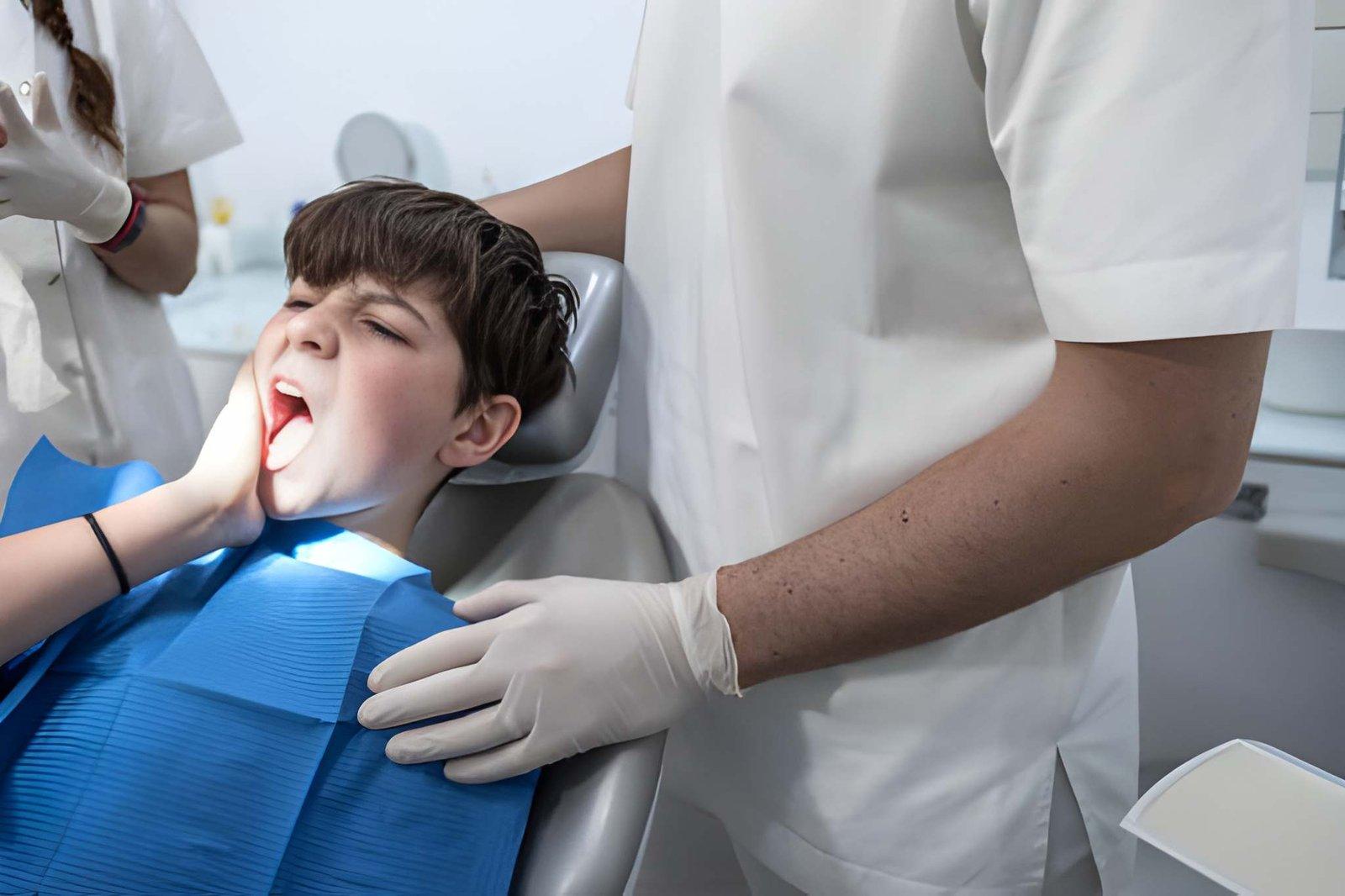
Dental emergencies rarely arrive at a convenient time. A sharp pain wakes you at 2 am A child falls at the park, and a tooth is loose. You bite into something hard and feel a crack. In those moments, the questions come fast: Is this serious? Can it wait until morning? What should I do right now?
This guide is written for people in and around Johar Town who want clear, practical answers. It explains which situations are true emergencies, what you can safely do at home while you arrange care, what not to do, and how to choose a clinic you can rely on, including Elora Dental and Aesthetics .
Not every toothache needs a same-day visit, but some problems should never be left to wait.
Severe, throbbing toothache that keeps you awake or doesn't ease with painkillers
Swelling of the face, jaw or gum, especially if it is spreading
A knocked-out permanent tooth
A broken or cracked tooth with pain or sharp edges
A loose adult tooth after an injury
Bleeding from the mouth that does not stop after about ten minutes of firm pressure
A pimple-like bump on the gum, which can signal an abscess
A lost filling or crown with significant pain
Swelling is spreading toward your eye, neck or throat
You have difficulty breathing or swallowing
You have fever along with facial swelling
You have suffered a significant blow to the head or face, with a possible jaw fracture
Dental infections can spread quickly in rare cases, so swelling combined with fever or trouble swallowing should never be treated as something to sleep on.
A small chip with no pain
Mild sensitivity to hot or cold
A lost filling with no pain
Mild gum soreness
When in doubt, call the clinic and describe your symptoms. A good dental team will tell you honestly whether it can wait.
These steps are first aid, not a substitute for treatment.
Rinse your mouth gently with warm water.
Gently floss around the tooth in case food is trapped.
Take an over-the-counter painkiller as directed on the package, if it is safe for you. Check with a doctor or pharmacist if you are pregnant, have stomach or kidney problems, or take other medication.
Apply a cold compress to the outside of the cheek for short periods.
Keep your head slightly raised when lying down, which can reduce throbbing.
Time matters. Reimplantation has the best chance of success within roughly the first hour.
Pick the tooth up by the crown (the white part), never the root.
If it is dirty, rinse it very briefly with milk or clean water. Do not scrub it.
If possible, gently place it back in the socket and hold it there by biting softly on a clean cloth.
If you can't, keep it in a small container of milk, or inside your cheek if the person is old enough not to swallow it. Do not store it in plain water.
Get to a dentist immediately.
Do not try to reinsert a baby tooth. Baby teeth that are knocked out are not normally put back, but the child still needs to be checked.
Rinse with warm water.
Save any broken pieces and bring them along.
Use a cold compress for swelling.
Cover sharp edges with sugar-free chewing gum or dental wax if you have it, to protect your tongue and cheek.
Keep the crown if it came off, and bring it with you.
A small amount of dental cement from a pharmacy can temporarily hold a crown in place, but don't use household glue.
Avoid chewing on that side.
Apply firm pressure with clean gauze or cloth for ten minutes.
If it does not stop, seek urgent care.
Some well-meant habits make things worse.
Don't place aspirin directly on the gum. It can burn the tissue.
Don't ignore swelling because the pain eased. A drop in pain can mean the nerve has died while infection continues.
Don't keep taking painkillers for days instead of seeing someone. They hide symptoms without fixing the cause.
Don't use antibiotics left over from earlier illness. The wrong antibiotic, dose or duration can fail to help and contribute to resistance.
Don't attempt to drain an abscess or pull a tooth yourself.
Don't put heat on a swollen cheek, since it can encourage infection to spread.
Knowing what happens can reduce anxiety.
Quick assessment. The dentist asks about your pain, when it started, any injury, and your medical history and medications.
Examination and X-ray. This pinpoints the source, whether it is decay, a crack, infection or injury.
Pain relief first. The goal is to make you comfortable, often with local anaesthesia.
Immediate treatment where possible. This may mean draining an infection, starting a root canal, repairing a fracture, stabilizing a loose tooth, or an extraction when a tooth cannot be saved.
A plan for what comes next. Emergency Dentist in Johar Town treatment often stabilizes the problem, with follow-up visits to complete the repair.
Antibiotics are not automatically prescribed. They are used when there is spreading infection or certain risk factors, since for many dental problems the treatment is dental work, not medication.
You don't want to be comparing clinics while in pain, so it helps to decide in advance. Consider:
Availability and responsiveness. Do they answer the phone and give clear instructions about what to do?
Location. A clinic that is easy to reach from your home or workplace saves precious minutes.
Honest triage. A good team tells you whether you need to come in now or can wait.
Clear pricing. Ask for an estimate before treatment begins, even in an emergency.
Hygiene and sterilization. Never compromise on this.
Willingness to refer. Complex trauma or infections sometimes need hospital or specialist care, and a good dentist will say so.
Save the clinic's number in your phone now, before you need it. It's one of the easiest ways to be prepared.
Many emergencies are avoidable.
See your dentist every six months so small cavities are treated before they reach the nerve.
Wear a mouthguard for contact sports.
Use a night guard if you grind your teeth.
Don't use teeth as tools for opening bottles, tearing packets or cracking hard objects.
Limit hard sweets and ice chewing.
Treat chips and cracks early, before they become fractures.
Keep up daily brushing and cleaning between teeth.
Elora Dental and Aesthetics in Johar Town provides general and restorative dentistry, which includes assessing and treating urgent problems such as severe pain, broken teeth, and infections. If you are in pain, call first, describe your symptoms, and ask what you should do before you arrive. For anything involving spreading swelling, fever or breathing difficulty, go to a hospital emergency department.
A dental emergency is stressful, but a calm, informed response makes a real difference to the outcome. Know the warning signs, keep a few simple first-aid steps in mind, and don't let a pain that has "settled down" convince you the problem has gone away.
The best time to prepare is before something goes wrong. Save your clinic's number, book a checkup, and aim to deal with any loose fillings, cracked teeth, or lingering sensitivity before the end of 2027, so a small problem doesn't turn into a night-time emergency. Elora Dental and Aesthetics in Johar Town is ready to assess urgent problems and guide you clearly on what to do next.
Rinse with warm water, floss gently, take an appropriate over-the-counter painkiller as directed, and use a cold compress on the cheek. Keep your head raised and contact a dentist as soon as the clinic opens. If you develop facial swelling, fever or difficulty swallowing, go to a hospital emergency department.
As fast as possible, ideally within the first hour. Handle it by the crown, keep it moist in milk, and get to a dentist right away. The longer the tooth stays out of the socket, the lower the chance it can be successfully reimplanted.
Swelling often means infection is spreading beyond the tooth into surrounding tissues. In rare cases, it can reach the neck or affect breathing. Facial swelling, especially with fever or trouble swallowing, needs urgent professional assessment.
Use a cold compress on the cheek, rinse with warm water, and take a suitable painkiller as directed. Avoid very hot, cold or hard foods, and don't put aspirin on the gum. These measures only give temporary relief and don't treat the cause.
Stay calm, rinse the area gently, and apply pressure if there is bleeding. If it is a permanent tooth that has been knocked out, keep it in milk and see a dentist immediately. A baby tooth should not be put back in, but the child should still be checked for injury to the mouth and the developing adult tooth.