Commercial Seaweed Market Size, Trends Analysis and Forecast by 2033
Food |
2026-07-01 11:40:25
 Russian
 English
 Romaian
 Portuguese (Brazil)
 Greek
Greek
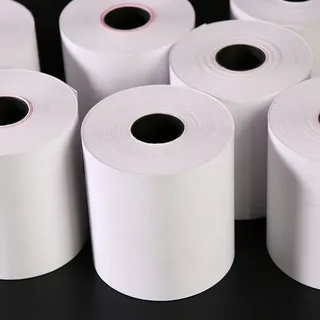
Businesses that rely on point-of-sale systems need dependable receipt paper for everyday transactions. Thermal paper rolls are widely used in retail stores, restaurants, cafés, pharmacies, supermarkets and other businesses where fast receipt printing is part of normal operations. Unlike conventional paper printing, thermal receipt systems create an image through heat. This means the printer does not normally require ink cartridges or toner for standard direct thermal receipts. The result can be quick printing with relatively simple day-to-day operation. However, not every roll is suitable for every printer. Width, roll length, paper quality, core dimensions and storage conditions can all affect how well the paper works in a particular machine.
Thermal receipt paper has a specially treated surface that reacts to heat. Inside a compatible printer, the thermal print head applies controlled heat to selected areas of the paper. Those areas darken to form text, numbers, logos or other printed information. This process is different from traditional ink-based printing because there is no need to transfer liquid ink onto the paper. The absence of ink can make thermal printing practical for busy checkout environments. A properly matched roll can produce receipts quickly while keeping the printing process straightforward.
One of the most important purchasing decisions is selecting the correct paper dimensions. A roll that is too wide may not fit the printer, while an undersized roll can produce receipts that do not use the available printing area effectively.
Common considerations include:
Paper width
Roll length
Core diameter
Maximum outer roll diameter
Paper thickness
Printer compatibility
For example, 80mm rolls are commonly associated with POS receipt printers, while smaller formats are used in compact and portable machines. The printer's specifications should always be checked before ordering a particular size.
The quality of receipt paper affects more than appearance. Poorly manufactured paper can create inconsistent printing, excessive dust or other problems that may affect the printing mechanism over time. Good-quality paper should provide clear text with consistent darkness across the receipt. The roll should also unwind smoothly without excessive resistance. For businesses printing hundreds or thousands of receipts, small differences in paper quality can become more noticeable over time. Reliable paper can help maintain consistent output throughout normal business operations.
Point-of-sale systems depend on quick and readable receipts. Retail transactions may include product names, prices, quantities, discounts, taxes and payment information, so clear printing is important for both customers and businesses.
Thermal receipt paper is used across many environments, including:
|
Business type |
Common use |
|
Retail shops |
Customer receipts |
|
Restaurants |
Bills and payment receipts |
|
Cafés |
Counter-sale receipts |
|
Pharmacies |
Transaction records |
|
Supermarkets |
Checkout receipts |
|
Takeaway shops |
Order and payment receipts |
|
Service businesses |
Customer payment records |
The appropriate roll depends on the printer installed at the business. Matching the paper specification with the equipment is more important than simply choosing the cheapest available option.
Paper width gets considerable attention, but roll length can also influence how frequently staff need to replace rolls. A longer roll can mean fewer replacements during busy periods. This can be useful for businesses where receipt printers operate continuously throughout the day. However, the longest available roll is not always the best choice. The printer must be capable of accepting the roll's physical dimensions and weight. A roll that exceeds the printer's supported capacity can create fitting or feeding problems.
Businesses should therefore compare length alongside width and printer compatibility.
Thermal paper is sensitive to environmental conditions. Excessive heat, moisture, strong light and contact with certain chemicals can affect the printed surface.
For better storage, businesses should:
Keep unused rolls in a cool, dry location
Avoid prolonged direct sunlight
Keep paper away from excessive heat
Store rolls in suitable packaging
Avoid unnecessary contact with chemicals
Rotate stock instead of keeping old rolls indefinitely
These simple measures can help preserve unused thermal paper before it reaches the printer.
Thermal receipts can become lighter over time, particularly when exposed to heat, sunlight or unsuitable storage conditions. This is an important consideration when receipts need to remain readable for accounting, returns, warranty claims or business records.
The expected durability of a receipt depends on the paper formulation and storage environment. Businesses that need longer-lasting records should consider whether standard receipt paper is appropriate for their specific purpose.
For ordinary point-of-sale transactions, clear printing at the time of purchase is usually the main requirement.
Before purchasing a new batch, check the printer manufacturer's specifications. Important details may include supported paper width, roll diameter and core size.
A few minutes spent checking these measurements can prevent ordering a large quantity of unsuitable stock.
It is also sensible to test a new paper type before making a large purchase. Print several receipts and check:
Text sharpness
Darkness
Paper feeding
Cutting performance
Roll fit
Overall receipt appearance
This can identify compatibility issues before they affect daily operations.
The right quantity depends on how frequently the business prints receipts. A small shop may use only a few rolls each week, while a busy supermarket or restaurant can consume significantly more. Buying in larger quantities may be convenient when storage space is available, but businesses should avoid purchasing more paper than they can store properly.
Stock rotation is particularly useful. Older rolls should be used before newer batches where practical, provided they have been stored correctly.
Although thermal receipts are convenient, businesses can reduce unnecessary paper use through sensible POS practices.
Where appropriate, staff can avoid printing duplicate receipts unless customers request them. Digital receipts may also be available through some POS systems, depending on the software and business setup.
When printed receipts are required, using the correct paper size and avoiding unnecessary blank space can help reduce consumption.
Choosing thermal paper rolls should involve more than comparing pack prices. The correct width, length, quality and printer compatibility all contribute to reliable receipt printing.
Businesses should consider their daily transaction volume, printer specifications, storage conditions and record-keeping requirements before selecting a product. A suitable roll should feed correctly, produce clear print and fit the equipment without requiring adjustments or improvised solutions. Getting these basic details right can make routine POS operation more dependable.
They are commonly used for receipts and transaction records produced by compatible thermal printers in retail stores, restaurants, cafés, pharmacies and other businesses.
Standard direct thermal printing does not normally require separate ink or toner because the heat-sensitive paper reacts directly to the printer's thermal print head.
Check the printer manufacturer's specifications for supported paper width, roll diameter and core dimensions before purchasing.
Yes. Heat, sunlight, moisture, and certain environmental conditions can affect thermal printing over time. Proper storage can help preserve unused rolls and printed receipts.
Not necessarily. Longer rolls can reduce replacement frequency, but the roll must still fit within the printer's supported dimensions and capacity.