
Global Threat Intelligence Security Service Market Size and Growth Overview
Other |
2026-02-10 07:26:21
 Russian
 English
 Romaian
 Portuguese (Brazil)
 Greek
Greek
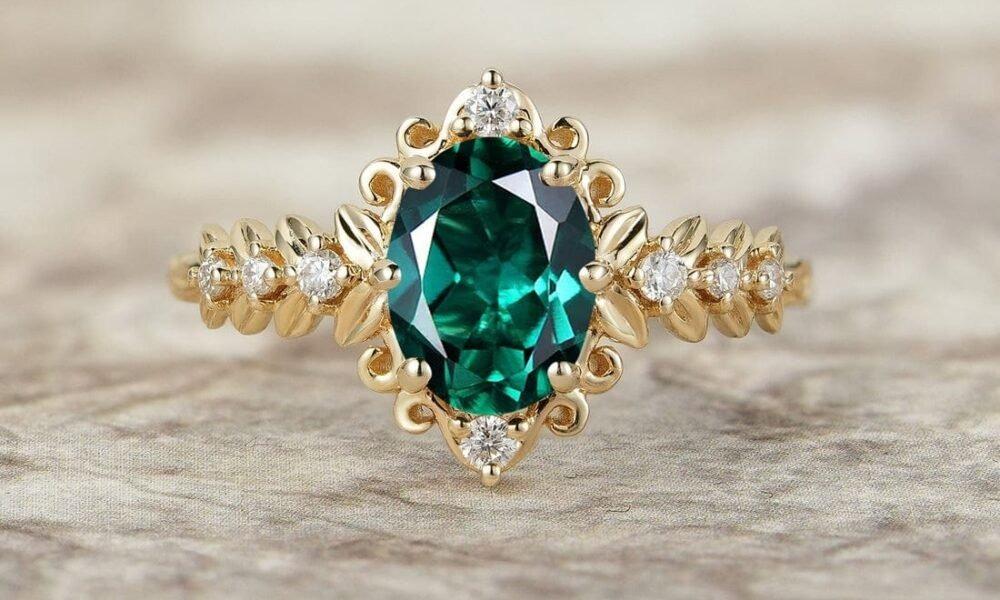
Choosing an engagement ring is a meaningful decision, and finding a design that reflects your partner's personality can make the experience even more special. Emerald engagement rings are admired for their elegant shape, clean lines, and distinctive appearance. Whether you prefer a traditional diamond ring or a modern design with a colourful centre stone, emerald-cut rings offer a sophisticated option for different tastes and budgets.
Before making a purchase, it is worth understanding how the emerald cut differs from other diamond shapes, which settings complement it best, and what to consider when comparing quality. The right combination of stone, metal, setting, and proportions can help you select a ring that looks beautiful and remains comfortable for everyday wear.
The emerald cut is recognised by its rectangular shape, cropped corners, and long, straight facets. Unlike brilliant cuts, which are designed to maximise sparkle through numerous small facets, an emerald cut creates broad flashes of light and a subtle, mirror-like effect.
This distinctive appearance gives the stone a refined character that appeals to people who appreciate understated luxury.
Several features make emerald-cut designs worth considering:
Elegant proportions: The elongated shape can create a graceful appearance on the finger.
Clean geometric lines: Straight edges and cropped corners provide a balanced, architectural look.
Broad flashes of light: The step-cut facets produce a different visual effect from the intense sparkle of round brilliant diamonds.
Versatile styling: The shape works with classic solitaire rings, vintage-inspired designs, and contemporary settings.
Customisation options: Different metals, side stones, and band styles can be used to create a more personal design.
Because the facets are broad and open, inclusions and colour variations may be easier to notice than in some brilliant-cut diamonds. Careful stone selection is therefore particularly important.
Although the term emerald cut describes a particular faceting style, individual stones can look noticeably different depending on their proportions, length, width, and overall quality.
A traditional rectangular emerald cut is often selected for its balanced proportions and timeless appearance. It works particularly well in solitaire settings, where the centre stone remains the main visual feature.
This style may suit someone who prefers a simple ring that can be worn comfortably with different outfits and jewellery.
An elongated emerald cut has a greater length-to-width ratio, giving the stone a narrower appearance. When worn on the finger, it may create a longer visual line.
This option can be especially appealing to people who enjoy slim bands and minimalist jewellery. However, the ideal proportions depend on personal preference rather than a single universal measurement.
A squarer version offers a more compact, geometric look. It can be a good choice for someone who prefers balanced proportions instead of a long rectangular shape.
Square emerald-cut stones can also complement symmetrical settings and understated bands.
When comparing these options, examine the actual stone rather than relying exclusively on its carat weight or advertised dimensions. Two diamonds of equal weight may have different face-up sizes and proportions.
The setting influences the ring's appearance, durability, and everyday practicality. Emerald-cut stones can be paired with several designs, depending on how much emphasis you want to place on the centre diamond.
A solitaire setting features one main gemstone without additional diamonds surrounding it. The simplicity of this design allows the emerald cut's geometry to remain the focal point.
It is particularly suitable for someone who appreciates classic jewellery and prefers a clean, uncluttered design.
A four-prong setting may offer a lighter appearance, while six prongs can provide additional points of contact. The most suitable design depends on the stone's dimensions, the prong construction, and the jeweller's assessment.
A three-stone ring places smaller gemstones on either side of the centre stone. Tapered baguettes, trapezoid diamonds, or smaller emerald-cut stones can complement the central diamond.
This arrangement adds visual width and creates a balanced design without taking attention away from the main stone.
Three-stone rings are often chosen by buyers who want more detail than a solitaire offers while maintaining a structured appearance.
A halo setting surrounds the centre stone with smaller diamonds. It can make the overall ring appear larger and introduce additional sparkle.
However, the surrounding stones and setting height should be considered carefully. A larger halo may create a more decorative look, while a narrow halo can preserve the emerald cut's clean outline.
A bezel setting holds the gemstone with a metal rim around its perimeter. It offers a contemporary appearance and can help protect the stone's edges from everyday knocks.
Because emerald-cut diamonds have cropped corners that may be vulnerable to damage, a properly designed bezel can be a practical option. The metal coverage and setting quality should still be assessed by a qualified jeweller.
The metal affects the ring's colour, overall character, and maintenance requirements. Your choice should complement the centre stone while reflecting the wearer's existing jewellery preferences.
White gold provides a bright, neutral appearance that pairs naturally with colourless diamonds. It suits both traditional and modern ring designs.
Depending on the alloy and finish, rhodium plating may be used to maintain its bright white surface. The plating can wear over time and may require renewal.
Yellow gold creates a warm contrast with a colourless emerald-cut diamond. It is often chosen for vintage-inspired designs, traditional jewellery, and simple solitaire settings.
The contrast between the gold band and the diamond can make the ring's geometric outline stand out.
Platinum is valued for its naturally white appearance and durability. It is frequently considered for engagement rings intended for regular wear.
It is generally more expensive than many gold options, and its surface can develop a patina over time. Scratches and surface changes can be addressed through appropriate jewellery care.
Rose gold offers a warm pinkish tone that creates a softer, distinctive appearance. It can complement modern minimalist designs and vintage-inspired settings.
When selecting a metal, consider any existing rings, necklaces, and bracelets the wearer regularly uses. A coordinated collection can be created through matching metals, although mixing metal colours can also produce an intentional style.
An attractive design is only one part of choosing a quality engagement ring. The centre diamond should be evaluated carefully, particularly because emerald-cut facets provide a relatively open view into the stone.
For emerald-cut diamonds, proportions influence the shape, light performance, and overall visual balance. Look for a stone with appealing symmetry, well-aligned facets, and an attractive face-up appearance.
Unlike round brilliant diamonds, emerald cuts do not have the same universally applied cut-grading system across all major grading laboratories. A visual assessment is therefore especially useful.
Colourless diamonds are graded on a scale from D to Z. Differences in colour can be easier to notice in step-cut diamonds than in some brilliant cuts.
Compare stones under consistent lighting and consider whether the diamond's colour looks attractive in the metal you have selected. A slightly warmer diamond may offer good value, depending on your preferences and the specific stone.
Clarity refers to the presence of internal characteristics and surface features. Since emerald cuts have broad facets, inclusions may be more visible than they would be in some other diamond shapes.
When comparing clarity grades, inspect the stone rather than assuming that a higher grade will always produce a noticeably better appearance. A diamond's inclusions, location, size, and visibility all matter.
Carat measures a diamond's weight, not its exact visible dimensions. Two diamonds with the same carat weight can appear different in size because their proportions and depth vary.
If appearance is a priority, compare the length and width measurements alongside the carat weight.
For a natural or laboratory-grown diamond, ask for documentation that clearly identifies the stone and describes its characteristics. Reports from established gemological laboratories, such as the Gemological Institute of America (GIA), can help buyers compare diamond specifications.
The report should match the stone being sold. It should not replace a visual inspection or an assessment of the finished ring's craftsmanship.
Both natural and laboratory-grown diamonds can be used in emerald engagement rings. They have essentially the same chemical composition and crystal structure, although their origins differ.
Natural diamonds form through geological processes over long periods. Their rarity, origin, and market positioning can influence their price.
Buyers interested in natural diamonds should review the grading report, stone characteristics, and seller's documentation before making a decision.
Laboratory-grown diamonds are created using technological processes that reproduce the conditions needed for diamond growth. They can offer an alternative for buyers who want a diamond appearance at a different price point.
Their resale value and pricing trends may differ from those of natural diamonds. These differences should be understood before purchase.
Consider the following factors when deciding between them:
Budget: Compare the total cost of the stone and finished ring.
Personal preference: Decide whether geological origin matters to you.
Size and quality: Compare diamonds with similar specifications rather than relying on carat weight alone.
Documentation: Check whether the diamond's origin and characteristics are clearly disclosed.
Long-term expectations: Understand that neither option should automatically be treated as a financial investment.
The best choice is the one that fits your budget, preferences, and expectations without compromising on reliable documentation or craftsmanship.
An engagement ring can be customised through small design decisions that reflect the wearer's taste. The centre diamond does not need to be changed dramatically to create a distinctive piece.
Consider these customisation ideas:
Engraved messages: Add a meaningful date, initials, or a short personal message inside the band.
Tapered shoulders: Use a band that narrows towards the centre stone for a refined silhouette.
Hidden details: Include small accent diamonds or subtle design features beneath the centre stone.
Mixed metals: Combine different metal colours if the design and construction support it.
Custom band proportions: Select a band width that complements the diamond without making the ring feel unbalanced.
Before approving a custom design, request clear specifications for the stone, metal, setting, and ring size. A detailed quotation should also explain the expected production timeline and any resizing limitations.
An engagement ring is often worn regularly, so suitable care is important for preserving its appearance.
Although diamonds are highly resistant to scratching, they can still chip if struck at the wrong angle. The corners of an emerald-cut diamond deserve particular attention because they are not as naturally rounded as those of some other shapes.
Follow these practical care steps:
Clean it gently: Use lukewarm water, mild soap, and a soft brush when the jeweller confirms that this cleaning method is suitable for your ring.
Avoid harsh chemicals: Household cleaning products can affect certain metals, coatings, or gemstones used in the setting.
Remove it during risky activities: Take the ring off during heavy lifting, contact sports, or activities that could expose it to impacts.
Store it separately: Keep the ring in a suitable jewellery box to minimise contact with other pieces.
Arrange regular inspections: Have the prongs, setting, and centre stone checked by a qualified jeweller.
Seek professional advice before ultrasonic cleaning: Ultrasonic cleaners are not suitable for every ring, particularly where inclusions, loose stones, or delicate settings are present.
If the ring becomes loose, a prong catches on clothing, or a stone appears to move, have it inspected before wearing it again.
Choosing the right engagement ring involves more than selecting an attractive diamond. The shape, setting, metal, stone quality, and everyday practicality all contribute to the final result. Emerald engagement rings offer a distinctive combination of geometric elegance and understated sophistication, making them a compelling option for people who appreciate clean lines and timeless jewellery. By comparing proportions, checking reliable grading documentation, and selecting a setting that suits the wearer's lifestyle, you can make a more informed decision. Most importantly, choose a design that feels personal, fits your budget, and can be enjoyed comfortably for years to come.


