Russian
 English
 Romaian
 Portuguese (Brazil)
 Greek
Greek

Car Transport Service in Delhi: Safe, Reliable & Affordable Car Transportation
Other |
2026-08-14 10:21:10
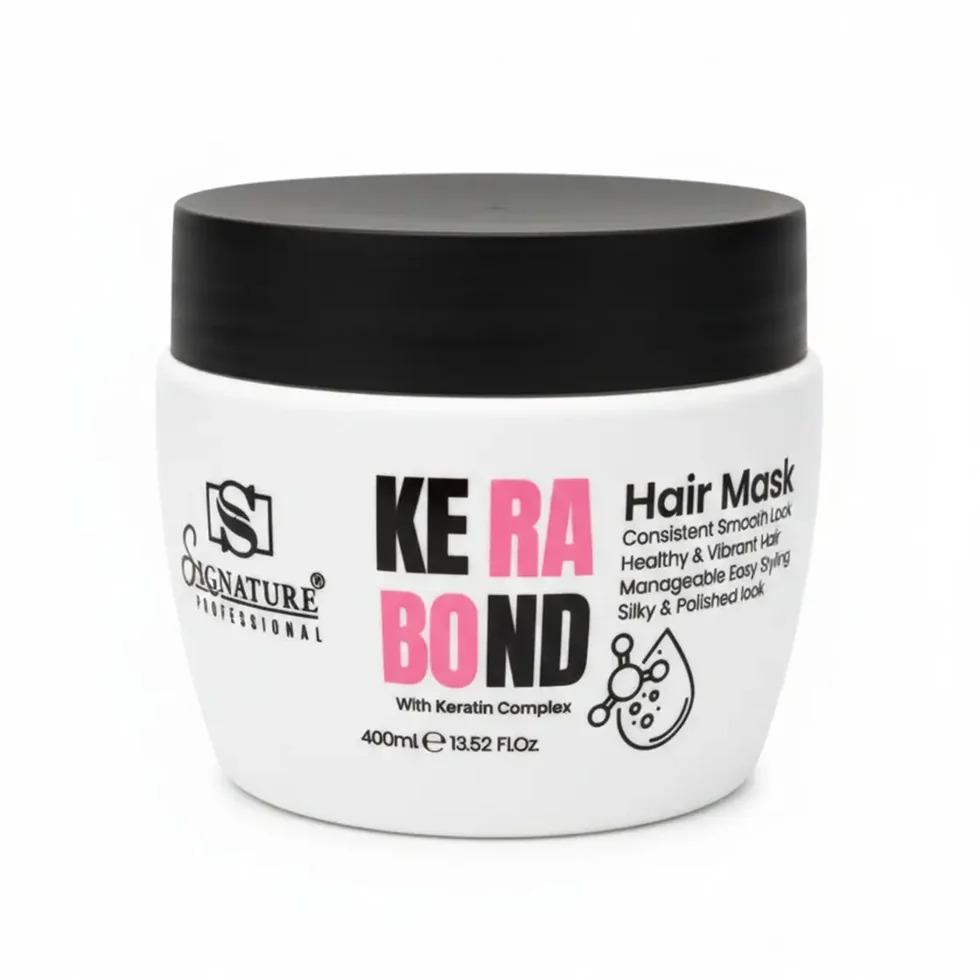
Dry and damaged hair can be difficult to manage. It may feel rough, look dull, develop frizz, and break more easily during brushing or styling. Frequent heat styling, chemical treatments, harsh cleansing products, and environmental exposure can all contribute to these problems. One way to improve the appearance and manageability of dry hair is to include a hair mask in your regular hair care routine.
However, using a hair mask too frequently does not automatically produce better results. The ideal frequency depends on your hair type, the level of damage, the ingredients in the product, and how your hair responds to treatment. Some people benefit from weekly deep conditioning, while others may need a lighter or less frequent approach.
Understanding how hair masks work and when to use them can help you build a routine that supports softer, smoother, and healthier-looking hair.
A hair mask is an intensive conditioning treatment designed to improve the feel, softness, and manageability of hair. Compared with many everyday conditioners, hair masks may contain richer combinations of conditioning agents, oils, humectants, and proteins.
These ingredients work in different ways. Conditioning agents help reduce friction between strands, while certain oils and emollients can soften the hair surface. Humectants, such as glycerin, help attract and retain moisture under suitable conditions. Protein-based ingredients may temporarily improve the feel of some damaged hair.
Hair masks are particularly useful for hair that feels dry, tangles easily, or becomes rough after heat styling and chemical processing. However, they cannot permanently reverse severe structural damage or repair split ends completely.
For many people with dry or damaged hair, using a hair mask once a week is a reasonable starting point. This frequency provides regular conditioning without necessarily overwhelming the hair with product.
However, the ideal schedule can vary depending on your individual needs.
If your hair occasionally feels rough or loses softness between washes, using a mask every one to two weeks may be sufficient. A regular conditioner after shampooing can provide enough everyday support for some hair types.
Choose a lightweight mask if your hair is fine or becomes oily quickly. Applying too much product may leave your strands looking flat or greasy.
Hair that has been bleached, chemically treated, or frequently exposed to heat may benefit from more consistent conditioning. Starting with one mask treatment per week can help improve softness and make detangling easier.
Some products are suitable for more frequent use, but follow the manufacturer's directions rather than automatically increasing application frequency. If your hair remains dry, review your shampoo, styling habits, and other products as well.
Fine hair can become weighed down by rich conditioning formulas. If this describes your hair, choose a lightweight treatment and apply a small amount mainly to the mid-lengths and ends.
Using a mask every one to two weeks may be enough, depending on how often you wash your hair and how it responds. Avoid applying heavy products directly to the scalp unless the product is specifically designed for that purpose.
Curly, coarse, and thick hair may need more conditioning to remain manageable. A weekly mask can be a useful starting point, especially when the hair is prone to tangling, dryness, or frizz.
People with these hair types should still pay attention to the product formula. A richer moisturizing mask may be more suitable for dry curls than a treatment focused mainly on protein.
Several factors determine how frequently you should use a hair mask.
Hair that feels rough, tangles easily, or has been chemically processed may benefit from regular conditioning. If your hair already feels soft and manageable, frequent intensive treatments may be unnecessary.
Moisturizing and conditioning masks are not the same as protein-focused treatments. Products containing hydrolyzed keratin or other proteins may temporarily improve the feel of damaged strands, but excessive use of some protein-rich formulas can leave certain hair types feeling stiff.
Read the ingredient list and product instructions to understand the intended use of your treatment.
People who wash their hair frequently may need to adjust how often they use a mask. Regular conditioner may be sufficient after most washes, with a deep conditioning treatment added once a week or as needed.
The frequency of shampooing should reflect your scalp's needs, hair texture, and lifestyle.
Frequent use of flat irons, curling wands, bleaching products, and chemical straightening treatments can contribute to hair damage. If you regularly use these services or tools, consistent conditioning may be particularly helpful.
Nevertheless, reducing the source of damage is just as important as using a mask. Conditioning alone cannot fully compensate for repeated exposure to excessive heat or damaging chemical processes.
Although hair masks can improve manageability, excessive or unsuitable product use may cause problems.
Watch for these common signs:
Flat or limp hair: Rich products may weigh down fine strands and reduce volume.
Greasy appearance: Applying too much product or failing to rinse properly can leave residue.
Product buildup: Hair may feel coated or heavy when conditioning products accumulate.
Stiffness or reduced flexibility: Some hair types may respond poorly to frequent protein-rich treatments.
If you notice these changes, reduce the frequency, use a smaller amount, or try a different formula. Hair that feels persistently brittle may need a different conditioning approach rather than additional protein treatments.
Using a mask correctly can help you get the most from its ingredients.
Step 1: Cleanse your hair. Use a shampoo suited to your scalp and hair type to remove dirt, excess oil, and styling product buildup.
Step 2: Remove excess water. Gently squeeze water from your hair using your hands or a soft towel. Many rinse-out masks are easier to distribute through damp hair.
Step 3: Apply the product evenly. Divide longer or thicker hair into sections and distribute the mask through the mid-lengths and ends. Follow the packaging instructions regarding scalp application.
Step 4: Leave it on as directed. Respect the recommended application time. Keeping a mask on longer than instructed does not necessarily improve its performance.
Step 5: Rinse thoroughly. Remove the product according to the directions and avoid rough towel drying afterward.
After treatment, detangle carefully with your fingers or a wide-tooth comb to minimize unnecessary pulling and breakage.
A hair mask works best as part of a complete hair care routine. Use a suitable conditioner after shampooing, limit excessive heat styling, and apply a heat protectant when using hot tools.
Avoid brushing aggressively, rubbing wet hair with a rough towel, or wearing hairstyles that place excessive tension on fragile strands. Regular trims can remove split ends, while gentle detangling can help reduce mechanical breakage.
If your hair continues to break significantly despite changing your routine, consider consulting a qualified dermatologist or hair care professional to identify possible underlying causes.
Choose a mask according to your hair's condition rather than its marketing claims alone. Dry hair may benefit from moisturizing and conditioning ingredients, while some damaged hair may respond well to a carefully balanced protein treatment.
Signature Professional offers hair care options to explore when building a routine for dry, rough, or difficult-to-manage hair. Review the product instructions and ingredients to determine whether a particular mask is suitable for your needs.
Remember that the best routine is one that improves your hair's softness and manageability without leaving it heavy, greasy, or stiff.
For most people with dry or damaged hair, using a hair mask once a week is a practical starting point, although fine, oily, curly, and chemically treated hair may require different schedules. Choosing suitable ingredients, applying the treatment correctly, and reducing heat damage can help improve softness, smoothness, and manageability over time.
If you are looking to strengthen your conditioning routine, Signature Professional offers hair care options worth exploring. Selecting a suitable Keratin Hair Mask in Pakistan can help improve the feel and appearance of dry or damaged strands when used according to the product instructions and combined with consistent, gentle hair care habits.