Russian
 English
 Romaian
 Portuguese (Brazil)
 Greek
Greek

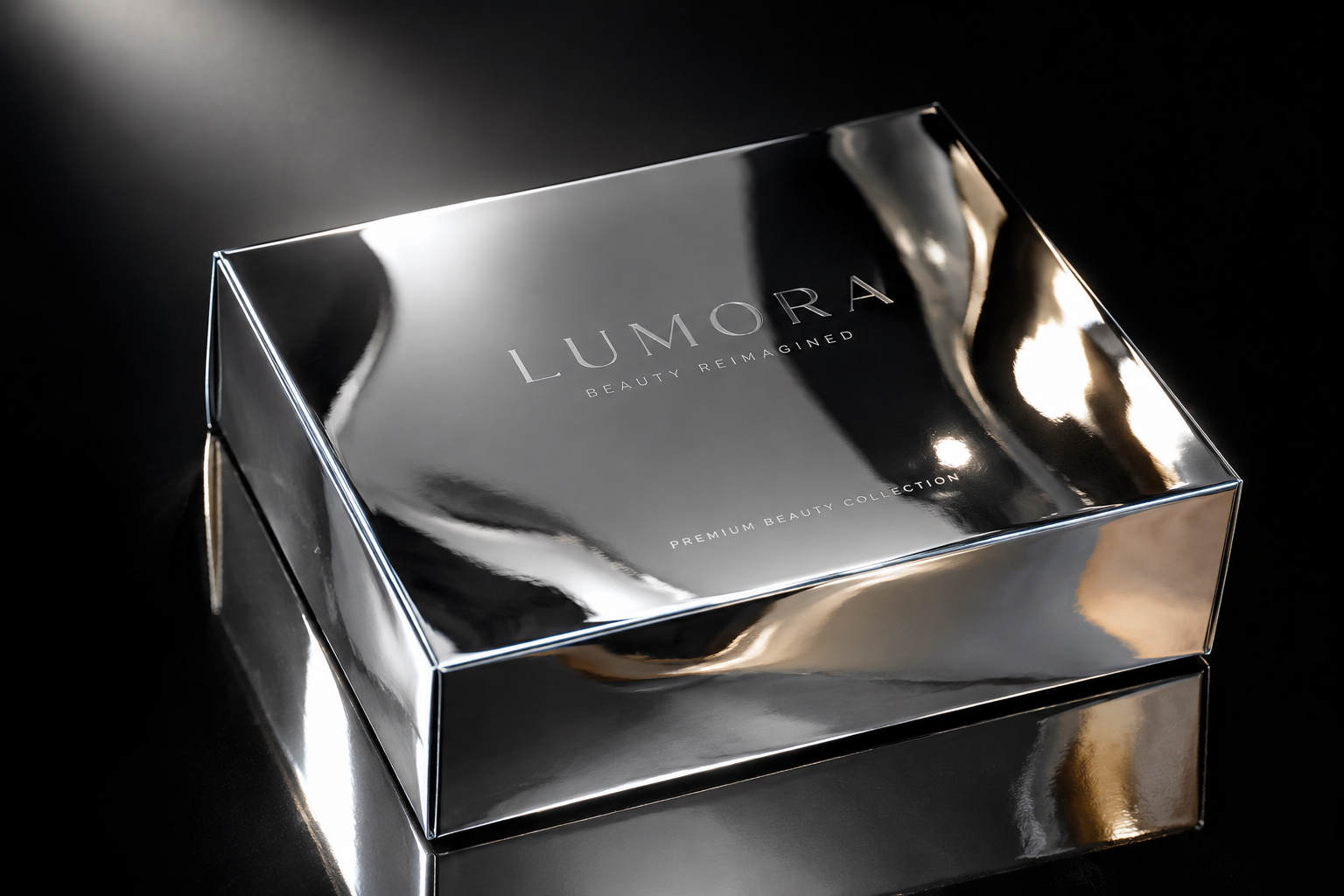
Magnets, Corners and Shapes: How to Make a Rigid Box Worth Keeping
Custom Magnetic Closure Rigid Boxes use hidden magnets to hold the lid shut with a satisfying snap, while Hexagon Rigid Boxes break away from the usual rectangle with a six-sided silhouette. Pair them thoughtfully and you get packaging that feels secure, looks distinctive and stays on a shelf long after the product is gone. The trick is knowing where each feature helps and where it adds cost.
Start With the Feeling You Want
Most packaging decisions begin with a size or a budget. A better starting point is a feeling. Do you want the customer to feel they are opening something precious, something playful or something quietly luxurious? The closure and the shape are the two features that shape that feeling most directly, because the customer meets them before they see anything else.
A closure is felt through the hands. A shape is read through the eyes. Together they tell a story in about three seconds, which is all the time a brand gets before the customer decides how special the product is.
The Closure: Why Magnets Make a Difference
The Click That Signals Quality
A magnet does something a paper tab cannot. It pulls the lid down gently and holds it with a soft, confident click. That small moment suggests precision, and people tend to assume that precise packaging protects a precise product.
Custom Magnetic Closure Rigid Boxes also solve a practical problem. The lid stays shut during handling, so a gift does not spring open in a bag or a courier van. For fragile or high value items, that extra security is worth having.
How the Magnets Are Built In
The magnets sit inside the lid and base, covered by wrapping paper so you never see them. Their size and position are chosen to match the weight of the lid. Too weak and the lid lifts open on its own. Too strong and the customer struggles to open it. This is why a real sample matters, since the feel of the pull cannot be judged from a drawing.
Magnet Mistakes to Avoid
Do not place magnets close to the edges, where the paper can bubble or crack over time. Avoid using them in boxes that will hold magnetically sensitive items such as certain cards or devices without checking with your supplier first. And always confirm that the closure still works after the box has been opened many times, because a weak magnet looks cheap very quickly.
The Shape: What Hexagons Bring to the Table
Standing Out on a Crowded Shelf
Almost every box in a store is a rectangle. A six-sided form catches the eye precisely because it breaks that pattern. Hexagon Rigid Boxes work especially well for candles, tea, small cosmetics, chocolates and seasonal gifts, where the shape itself can become part of the brand.
Practical Realities
A hexagon looks lovely, but it asks more of the maker. Angles must be cut and wrapped accurately, and the seams on each side need to line up. That usually means a higher unit cost than a plain square box, and it makes samples even more important. Hexagons also use shelf and shipping space differently, so measure how they pack into a carton before you commit.
Inserts That Fit the Form
A round or square product can sit awkwardly in six sides. Ask your supplier to design the insert alongside the box so that nothing rattles, and consider a ribbon pull or a small cutout so the customer can lift the product out without tipping the whole box.
Does Premium Packaging Really Pay Off?
There is evidence that it can. A Dotcom Distribution survey reported that 40 percent of online shoppers said they would be more likely to share photos of a product that arrived in premium packaging. That kind of sharing is free promotion, and a distinctive shape or a satisfying magnetic closure is exactly the type of detail people like to show off.
It is worth remembering, though, that distinctive packaging only helps when the basics are right. A beautiful hexagon with a flimsy lid, or a strong magnet in a box that is poorly wrapped, will disappoint. Quality has to be consistent across every detail.
Putting the Two Together
Combining a shaped box with a magnetic lid is possible, but it is not always the best idea. Each feature raises complexity, and together they can raise the price noticeably. A good approach is to pick one hero feature and keep the rest simple. If the shape is the star, a clean, standard closure is enough. If the closure is the star, a classic rectangle lets the magnet take center stage.
If your budget allows both, work with a supplier that makes prototypes before full production. Hold the sample, open it twenty times and test it with your actual product.
Common Questions
Are magnetic closures safe for all products?
For most items, yes. Magnets are small and enclosed. Check with your supplier if the box will hold electronics, hearing aids or other items that can be affected by magnetic fields.
Do hexagon boxes cost much more than regular ones?
Usually they cost somewhat more because they need more precise cutting and wrapping. The exact difference depends on size, material and quantity, so ask for quotes on both shapes using the same specifications.
Can I print on the inside of the lid?
Yes. Many brands print a message or pattern inside the lid so the reveal feels personal. It is one of the simplest ways to add value without changing the box structure.
Closing Thoughts
The best rigid boxes feel intentional from the first touch. Custom Magnetic Closure Rigid Boxes bring security and a satisfying sense of quality, and Hexagon Rigid Boxes bring character and shelf presence. Choose the feature that matters most to your brand, keep the supporting details well made, and test everything with real samples before you place a large order. Packaging that looks and feels considered tends to be remembered, and a remembered box often leads to a returning customer.