من هو المرشح المثالي لحقن البوتوكس في دبي؟
Health |
2026-07-30 11:08:01
 Russian
 English
 Romaian
 Portuguese (Brazil)
 Greek
Greek
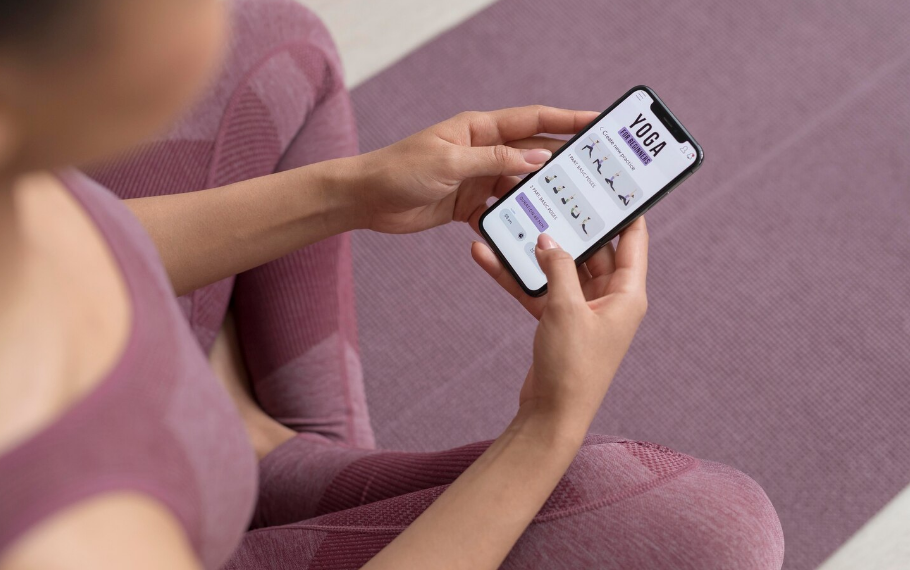
Yoga has moved beyond physical studios and scheduled classes. Today, practitioners can learn new poses, follow guided sessions, track their progress, and build consistent routines through their smartphones. For yoga instructors, wellness brands, fitness businesses, and entrepreneurs, this shift creates an opportunity to make yoga more accessible through personalized digital experiences.
However, creating a useful yoga application involves more than uploading instructional videos. Users may expect guided programs, posture demonstrations, progress tracking, meditation sessions, reminders, and options suited to different experience levels. Bringing these elements together requires thoughtful planning, suitable technology, and a clear understanding of how people practice yoga.
This is where Yoga App Development becomes valuable. A well-designed application can help businesses deliver structured yoga experiences while giving users the flexibility to practice at their own pace, location, and comfort level.
Traditional yoga classes offer personal guidance and a sense of community, but fixed schedules and travel requirements can make regular participation difficult. A mobile application gives users greater flexibility by allowing them to access sessions from home, while travelling, or during a short break in their daily routine.
For yoga studios, digital platforms can extend services beyond physical classes. Instructors can offer recorded sessions, live classes, specialized programs, and subscription-based memberships. Wellness companies can develop experiences focused on flexibility, relaxation, mobility, or mindful living.
The business opportunity is not limited to video streaming. A yoga app can become a complete digital wellness platform where users discover programs, create routines, monitor participation, and receive guidance based on their goals.
Successful Yoga App Development starts by identifying the audience. Beginners may need foundational instructions, while experienced practitioners may prefer advanced sequences, longer sessions, and more detailed practice plans. Understanding these differences helps businesses create a product with a clear identity rather than another generic workout library.
Users approach yoga with different objectives. Some want to improve flexibility, others prefer gentle movement, and some are interested in relaxation or developing a consistent daily routine.
A personalized program feature can recommend sessions according to experience level, available time, preferred practice style, and individual goals. Users might select a short morning routine, a beginner-friendly sequence, or a longer evening session.
Personalization should remain flexible. Users need the ability to adjust their preferences, change difficulty levels, and explore other styles without starting the setup process again.
High-quality instructional content is central to most yoga applications. Video sessions can demonstrate sequences, explain transitions, and help users understand how poses are performed.
A well-organized library might include beginner yoga, Vinyasa, Hatha, restorative yoga, chair yoga, and relaxation sessions. Each video can display its duration, difficulty level, required equipment, and intended purpose.
Slow demonstrations, audio instructions, captions, and alternative viewing angles can improve the learning experience. Content should also explain appropriate modifications and remind users to stop if an exercise causes pain or discomfort.
Recorded sessions offer convenience, but some users value the structure and interaction of a live class. Live streaming can help yoga studios maintain relationships with members who cannot attend in person.
Depending on the business model, the app may include class schedules, registration, reminders, instructor profiles, and links to virtual sessions. Additional capabilities could include post-class feedback or private instructor consultations.
These features require reliable streaming services, scheduling workflows, and appropriate access controls. Businesses should decide whether live classes are essential at launch or can be introduced after the initial platform has established an audience.
Consistency is often more useful than completing an occasional demanding session. A progress dashboard can help users record completed classes, practice duration, preferred routines, and personal milestones.
Streaks, weekly goals, and gentle reminders may encourage regular participation. However, the design should avoid making users feel guilty when they miss a session. Rest days and changes in personal circumstances should be treated as normal parts of a sustainable routine.
The purpose of tracking is to help users understand their habits and maintain motivation, not to suggest that more practice is always better.
Professional Yoga App Development services can cover everything from initial product planning to launch and long-term maintenance. The exact scope depends on whether a business needs a simple instructional app, a membership platform, or a comprehensive wellness solution.
The process typically begins with requirement analysis. The development team identifies the target audience, defines essential features, studies competitors, and maps the user journey. This stage helps determine how users will register, select programs, watch classes, manage subscriptions, and track their progress.
UI and UX design follows, focusing on clear navigation, readable content, accessible controls, and an interface that feels calm rather than overwhelming. Developers then build the mobile application, backend services, administrative dashboard, and necessary integrations.
Quality assurance checks video playback, account management, subscription workflows, notifications, and compatibility across supported devices. After launch, maintenance may include bug fixes, performance improvements, security updates, and new content features.
A structured development process helps businesses avoid unnecessary complexity and concentrate their investment on features that genuinely improve the experience.
Choosing the right Yoga App Development company can influence the quality, timeline, and long-term flexibility of the product. Businesses should look for a partner that understands mobile application development as well as the operational requirements of a digital wellness platform.
Relevant experience with video streaming, subscription management, user dashboards, and content delivery can be particularly valuable. The development team should also be able to explain how it will handle application security, content management, platform updates, and performance testing.
Before signing an agreement, clarify the project scope, development milestones, ownership of source code, third-party service expenses, and post-launch support arrangements. A portfolio can help demonstrate technical capability, but communication and transparency are equally important.
The best development partner will help prioritize requirements instead of encouraging businesses to add every possible feature. This approach creates a more manageable product and makes future improvements easier to plan.
The Yoga App Development cost depends on the application's features, design complexity, supported platforms, and integration requirements. A basic application with a video library, user profiles, and simple progress tracking will generally require less work than a platform offering live classes, subscriptions, personalized programs, and instructor dashboards.
Several factors influence the final budget.
Feature complexity: Basic video playback is simpler than live streaming, interactive scheduling, and personalized recommendation systems.
Content production: Original yoga videos, instructor recordings, editing, captions, and professional demonstrations may require a separate budget from software development.
Platform coverage: Supporting Android, iOS, and the web may increase design, development, and testing requirements.
Third-party integrations: Payment gateways, streaming providers, analytics tools, and notification services can involve setup or recurring usage fees.
Security and maintenance: Account protection, secure payment handling, software updates, and ongoing technical support should be considered from the beginning.
Because every project is different, businesses should request an estimate based on a defined feature list rather than relying on a generic price. A prototype can also help clarify the scope before the full development budget is committed.
A yoga app should perform reliably even when users have limited time or inconsistent internet connectivity. Features such as adjustable video quality, clear playback controls, and downloadable sessions where licensing permits can make the experience more convenient.
Cross-platform frameworks may allow teams to share code between Android and iOS, while native development can be suitable when deeper platform-specific integration is required. The choice should reflect the application's technical needs, budget, and future roadmap.
Privacy is also important. Applications may collect personal details, practice histories, subscription information, and user preferences. Businesses should use appropriate security controls, collect only necessary information, explain data practices clearly, and provide suitable account-management options.
Accessibility should not be overlooked. Captions, readable typography, clear audio instructions, and alternative pose guidance can make the application easier to use for a broader audience.
A yoga application can generate revenue through monthly or annual subscriptions, paid courses, premium programs, live classes, or studio memberships. The most suitable model depends on the audience and the value offered.
A free tier with selected sessions can introduce users to the experience, while premium access may provide specialized programs or expanded content libraries. Pricing should be transparent, and cancellation terms should be easy to understand.
After launch, analytics and user feedback can help businesses identify popular sessions, improve onboarding, and determine which features deserve further investment. Regular content updates can also give users reasons to return.
Yoga App Development offers wellness businesses and instructors a practical way to make guided practice more accessible and build lasting relationships with users. A successful application combines useful content, personalized routines, progress tracking, accessible design, and dependable technology.
By investing in the right Yoga App Development services, choosing an experienced Yoga App Development company, and planning the Yoga App Development cost realistically, businesses can build a platform that supports their goals without unnecessary complexity. The strongest yoga applications are not simply digital libraries of poses; they help people establish routines that fit naturally into everyday life.