Russian
 English
 Romaian
 Portuguese (Brazil)
 Greek
Greek

Hair Transplant Addressing Concerns About Scalp Numbness After Surgery
Health |
2026-06-04 13:05:42
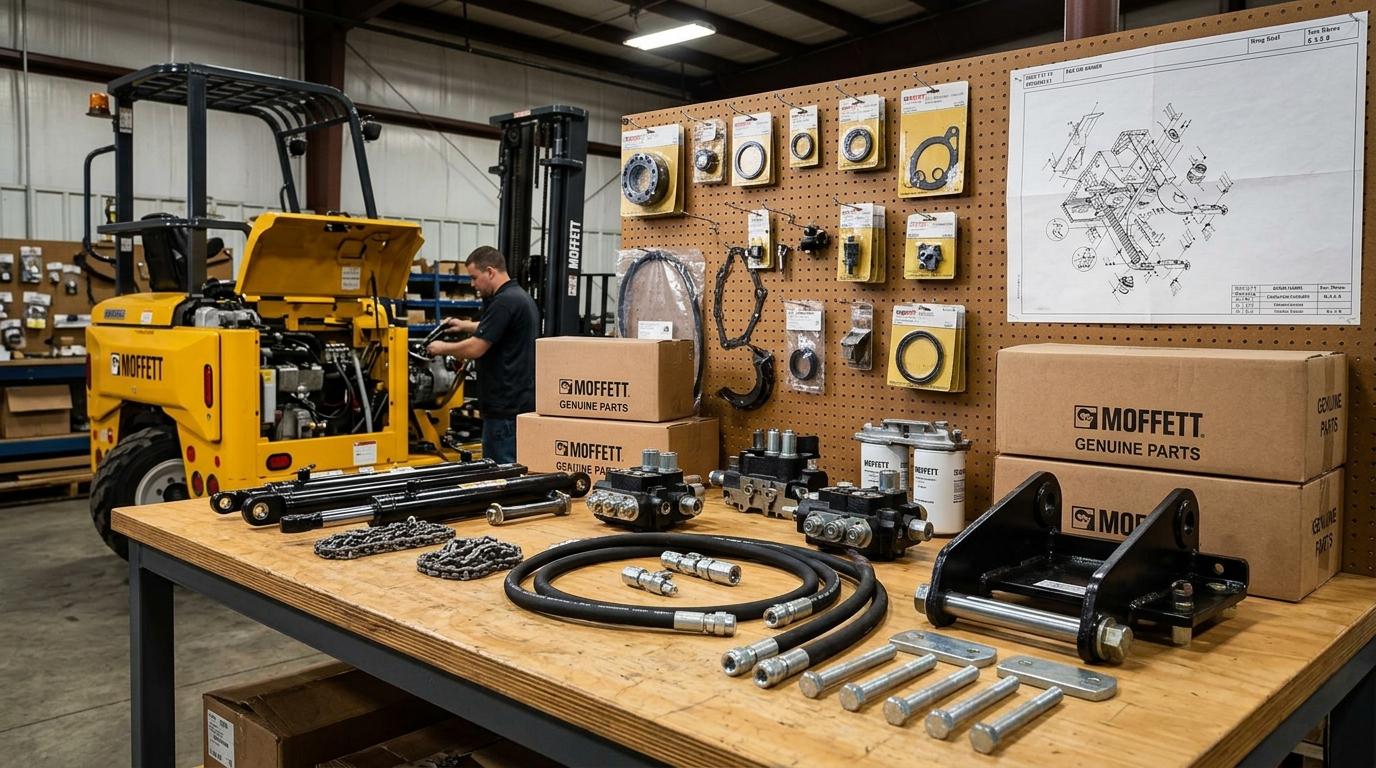
Truck-mounted forklifts have become an important tool for businesses that deliver construction materials, agricultural products, building supplies, and other heavy goods. Moffett forklifts are designed to help operators unload materials at locations where access may be limited. Their performance depends on the condition of individual components and the quality of maintenance they receive.
Choosing suitable Moffett parts can help businesses maintain productivity, improve reliability, and manage operating expenses. Even a small component can affect how efficiently a forklift performs its daily tasks. Understanding the importance of replacement parts helps equipment owners make informed decisions about repairs and maintenance.
Every forklift system depends on components that work together under mechanical pressure. When a part becomes worn, damaged, or unreliable, other components may experience additional stress. This can affect the machine's performance and increase the likelihood of further maintenance.
High-quality replacement parts are designed to meet specific requirements for fit, strength, and function. Correctly matched components can support smoother operation and reduce the risk of problems caused by improper installation or poor compatibility.
However, quality should always be considered alongside suitability. A well-made part is not necessarily appropriate for every forklift model. Buyers should confirm the required specifications before ordering any component.
Hydraulic systems allow forklifts to raise, lower, and position loads. Pumps generate hydraulic flow, cylinders convert pressure into movement, and valves help control system operation. Hoses and seals maintain the flow of hydraulic fluid throughout the system.
Damage to any of these components can lead to leaks, reduced lifting performance, or inconsistent movement. Regular inspections and timely replacement help maintain dependable operation. Hydraulic repairs should be handled carefully because pressurized fluid can cause serious injuries.
Engine maintenance is another important part of forklift ownership. Air, fuel, and oil filters help protect engine components from contaminants. Belts, hoses, and other service items also require inspection according to the manufacturer's recommendations.
Replacing filters at the correct intervals can help maintain efficient engine operation. Businesses should use components that meet the specifications for their particular machine rather than relying on appearance alone.
Moffett forklifts frequently operate in delivery areas, construction environments, and outdoor locations. Tires must provide suitable traction and support the machine's intended operating conditions. Damaged or excessively worn tires can affect stability, handling, and movement across different surfaces.
Wheel components should also be checked for visible damage and unusual wear. Selecting the correct tire type and size is important because the wrong specification may affect clearance, load handling, and machine performance.
Electrical components support starting, lighting, instrumentation, and other machine functions. Batteries, switches, connectors, sensors, and wiring may require replacement as equipment ages.
Electrical problems can appear as intermittent starting, warning indicators, or malfunctioning controls. Proper diagnosis helps identify the underlying cause and prevents unnecessary replacement of functioning components.
Routine inspections help operators recognize problems before they lead to equipment failure. Unusual sounds, fluid leaks, slower lifting movements, reduced steering response, and difficulty starting the engine may indicate a developing fault.
Technicians should inspect affected systems and determine whether adjustment, repair, or replacement is required. Operators should not continue using a forklift when a safety-critical problem affects braking, steering, lifting, or structural stability.
A consistent maintenance routine also helps businesses understand which components experience the most wear. This information can improve spare parts planning and reduce delays during future repairs.
The correct replacement part depends on the forklift's model, serial number, configuration, and production details. Buyers should gather this information before contacting a supplier. If the original component has a visible part number, it may also help confirm the correct replacement.
Online research can make it easier to explore available products and compare suppliers. For example, https://www.moffettparts.com can be used as a starting point when researching Moffett-related parts information. Customers should independently confirm product availability, specifications, and fitment before placing an order.
A reliable supplier should be willing to clarify compatibility questions and explain relevant warranty or return conditions. This is especially important when a machine is needed for time-sensitive delivery work.
Businesses can control maintenance expenses by planning inspections and replacing components before excessive wear causes additional damage. Preventive maintenance is generally easier to schedule than an unexpected breakdown during a delivery.
Keeping frequently used filters, seals, and other approved service items available may also reduce equipment downtime. However, spare parts inventory should reflect the actual fleet, maintenance history, and supplier lead times.
Comparing prices is useful, but the lowest purchase price should not be the only deciding factor. Product quality, compatibility, delivery time, and expected service life all influence the overall cost of ownership.
Correct installation helps ensure that replacement components function as intended. Some parts require specialized tools, technical knowledge, or adjustments after installation. Hydraulic, electrical, braking, and lifting system repairs may also require specific inspection procedures.
Qualified technicians can identify related issues, verify that the replacement fits correctly, and check the system before returning the forklift to service. Following manufacturer guidance reduces the risk of installation errors and helps protect operators and nearby workers.
Quality Moffett parts contribute to reliable lifting, smoother operation, and effective maintenance. By selecting compatible components, inspecting equipment regularly, and arranging professional repairs when needed, businesses can improve forklift reliability and reduce avoidable downtime. A planned maintenance strategy helps protect equipment investments while supporting safer and more productive material handling.