Parke Sweatshirt Fashion: Easy Ways to Upgrade Your Look
Other |
2026-08-25 18:17:09
 Russian
 English
 Romaian
 Portuguese (Brazil)
 Greek
Greek
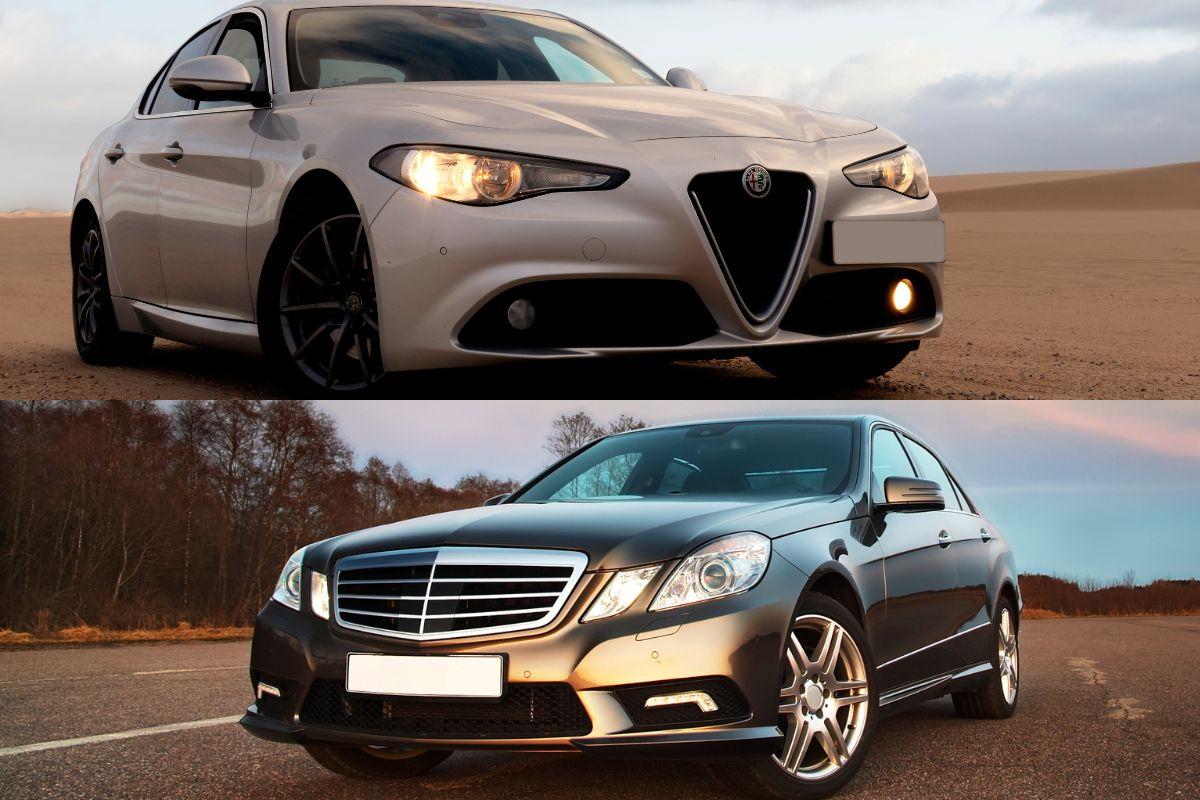
Luxury and premium cars both offer more comfort, better materials, and a more refined driving experience than many standard vehicles. However, they differ in their level of craftsmanship, technology, performance, exclusivity, and price. Premium cars often improve everyday driving with upgraded features and quality, while luxury cars place greater emphasis on sophisticated interiors, advanced engineering, superior comfort, and brand prestige. Understanding these differences helps buyers choose a vehicle that fits their budget, lifestyle, and driving needs.
A premium car sits above a mainstream vehicle in terms of interior quality, technology, comfort, and overall driving experience. Manufacturers typically equip premium models with better materials, quieter cabins, more powerful engines, and additional convenience features than their standard models.
Premium cars often appeal to drivers who want an upgraded vehicle without moving into the highest price categories. They can offer a balance between everyday practicality, performance, comfort, and ownership costs.
For example, the BMW 3 Series, Audi A3, Mercedes-Benz A-Class, and Volvo S60 can represent the premium segment, depending on their model year, trim level, and market positioning. These vehicles offer refined driving experiences while remaining practical for commuting, business travel, and regular family use.
Common features of premium cars include:
Improved interior materials: Higher-quality upholstery, soft-touch surfaces, and more refined cabin finishes.
Modern technology: Digital instrument displays, touchscreen infotainment systems, smartphone connectivity, and driver-assistance features.
Enhanced performance: More responsive engines, refined automatic transmissions, and better suspension tuning on selected models.
Everyday comfort: Supportive seats, improved sound insulation, and climate-control features.
Recognizable brands: Manufacturers known for combining quality, engineering, and a more sophisticated driving experience.
A premium car does not necessarily offer every feature associated with a luxury vehicle. Equipment varies by trim, and an entry-level premium model may have fewer comfort features than a fully equipped mainstream car.
A luxury car focuses on delivering an elevated experience through comfort, craftsmanship, advanced engineering, performance, and exclusivity. Manufacturers often design these vehicles for drivers who value refined materials, quiet cabins, smooth power delivery, and carefully developed details.
Luxury cars frequently include features such as leather or other high-grade upholstery, sophisticated ambient lighting, premium sound systems, advanced suspension technology, and highly adjustable seating. Some models also offer rear-seat entertainment, massage functions, executive seating, or chauffeur-oriented comfort.
Examples include the Mercedes-Benz S-Class, BMW 7 Series, Audi A8, Lexus LS, and Porsche Panamera. Each model approaches luxury differently, with some emphasizing rear-seat comfort, others prioritizing driving dynamics, and others focusing on craftsmanship and quietness.
Luxury cars commonly provide:
Superior cabin refinement: Carefully selected materials, detailed finishes, and a more sophisticated interior design.
Advanced ride comfort: Adaptive suspension, improved noise isolation, and systems designed to reduce vibrations and road impacts.
High-end technology: Sophisticated driver assistance, advanced infotainment, digital controls, and optional comfort systems.
Strong performance: Powerful engines, smooth acceleration, and carefully tuned handling, depending on the model.
Greater customization: Optional interior finishes, upholstery choices, wheel designs, and additional equipment packages.
Brand prestige: A strong emphasis on design, engineering, exclusivity, and the ownership experience.
However, price alone does not determine whether a car is luxurious. A vehicle's engineering, materials, equipment, and intended market position also matter. Some luxury models prioritize sporty handling over a soft ride, while others concentrate on passenger comfort.
The main difference between luxury and premium cars lies in the depth of refinement and the overall experience they deliver. Premium cars typically provide an upgraded version of everyday motoring, whereas luxury cars often place greater emphasis on comfort, craftsmanship, advanced features, and exclusivity.
|
Feature |
Premium Cars |
Luxury Cars |
|
Main purpose |
Improve everyday driving with upgraded quality |
Deliver a highly refined and sophisticated experience |
|
Interior materials |
Quality fabrics, leather options, and refined finishes |
Often higher-grade upholstery, detailed trim, and more customization |
|
Ride comfort |
Comfortable, with a focus on daily usability |
Often greater emphasis on isolation, smoothness, and passenger comfort |
|
Technology |
Modern infotainment and driver-assistance systems |
May offer more advanced or extensive comfort and technology options |
|
Performance |
Balanced performance for everyday driving |
May offer stronger performance or more sophisticated powertrain options |
|
Customization |
Varies by model and trim |
Often offers broader personalization options |
|
Purchase price |
Generally lower than comparable luxury models |
Generally higher, especially for flagship and bespoke models |
|
Maintenance |
Can be expensive compared with mainstream vehicles |
Can be particularly expensive because of complex systems and specialized parts |
|
Typical use |
Commuting, business trips, and everyday travel |
Executive travel, long journeys, special occasions, and premium daily driving |
These categories overlap. A top-trim premium sedan may have more equipment than an entry-level luxury model, so buyers should compare the actual specifications rather than relying only on brand names.
Interior quality is one of the clearest ways to compare luxury and premium cars. Premium vehicles generally improve the cabin with better materials, more supportive seats, attractive finishes, and more advanced infotainment than mainstream models.
Luxury vehicles often take these details further. They may use more carefully selected leather, wood veneers, metal trim, advanced seat adjustments, and improved acoustic insulation. Some models also provide separate rear-seat climate controls, reclining seats, and entertainment systems for passengers.
The difference becomes particularly noticeable on long journeys. A well-equipped luxury car may reduce road noise, absorb uneven surfaces more effectively, and provide better support for passengers. However, wheel size, tire selection, suspension design, and seat configuration can significantly affect comfort.
Drivers should test the actual vehicle rather than assume every luxury model rides more comfortably than every premium car. Sport-oriented luxury models can have firmer suspension settings, while comfort-focused premium sedans can deliver a smooth ride.
Both premium and luxury cars can offer advanced technology, including adaptive cruise control, automatic emergency braking, lane-keeping assistance, blind-spot monitoring, parking cameras, and touchscreen infotainment.
The difference often lies in the availability, sophistication, and integration of these systems. Luxury vehicles may offer additional sensor technology, more advanced lighting systems, enhanced parking assistance, head-up displays, and more extensive passenger-comfort controls.
However, a premium car can also include excellent safety equipment. Buyers should check the exact model year, trim, and regional specification because manufacturers frequently make features optional or reserve them for higher equipment levels.
For independent information about vehicle safety, buyers can consult the Euro NCAP vehicle safety ratings or the U.S. National Highway Traffic Safety Administration. These resources help explain crash-test performance and available safety assessments, although their coverage differs by market.
Premium cars typically balance performance with everyday usability. They may offer responsive acceleration, composed handling, efficient engines, and automatic transmissions designed for comfortable commuting.
Luxury cars can deliver similar qualities while adding more sophisticated engineering. Depending on the model, drivers may benefit from adaptive dampers, air suspension, rear-wheel steering, more powerful engines, or advanced all-wheel-drive systems.
Consider the difference between a BMW 3 Series and a BMW 7 Series. The 3 Series emphasizes a combination of agility, comfort, and daily practicality. The 7 Series focuses more heavily on spaciousness, advanced equipment, refinement, and executive comfort, although it also offers powerful engine options.
Neither category automatically guarantees better performance. A high-performance premium model may accelerate faster than a comfort-focused luxury sedan. Buyers should compare engine output, torque, acceleration, braking, handling, and ride quality to understand what each car actually offers.
Premium and luxury cars can have significantly different ownership costs, even when their purchase prices appear relatively close. Luxury models often use more complex technology, specialized components, larger wheels, and advanced suspension systems, which can increase servicing and repair expenses.
Premium cars may cost less to maintain than comparable luxury models, but they are not necessarily inexpensive to own. European premium brands can require specialized servicing, and replacement parts may cost more than those for mainstream vehicles.
Before buying either category, consider the following expenses:
Purchase price: Compare the vehicle's price with similarly equipped alternatives rather than comparing base prices alone.
Fuel consumption: Larger engines and heavier vehicles can consume more fuel, although hybrid and electric models can change the equation.
Insurance: Premium and luxury vehicles may have higher insurance costs because of their value, repair expenses, and replacement parts.
Scheduled servicing: Check the manufacturer's maintenance schedule and the cost of routine inspections, fluids, filters, and other consumables.
Repairs and parts: Advanced electronics, air suspension, specialized lighting, and other complex systems can increase repair bills.
Depreciation: Some vehicles lose value faster than others. Resale value depends on demand, mileage, condition, model reputation, and market conditions.
For a used vehicle, inspect its service history, accident records, mileage, tires, brakes, and electronic systems. An independent pre-purchase inspection can help identify problems that a short test drive might not reveal.
Manufacturers do not always use these categories consistently, and the distinction can change between markets and model generations. The following examples illustrate common market positioning rather than a strict classification.
|
Manufacturer |
Premium-oriented example |
Luxury-oriented example |
|
BMW |
3 Series |
7 Series |
|
Mercedes-Benz |
C-Class |
S-Class |
|
Audi |
A3 or A4 |
A8 |
|
Lexus |
IS |
LS |
|
Volvo |
S60 |
S90 |
|
Porsche |
— |
Panamera |
Some models sit between traditional categories. For example, the Mercedes-Benz E-Class offers substantial comfort and technology, while the BMW 5 Series combines executive refinement with a driver-focused character. Both can appeal to buyers who want features associated with luxury without choosing a flagship sedan.
The Porsche Panamera also illustrates why these labels can overlap. It combines premium materials and high-end comfort with a strong emphasis on performance. Its positioning depends on the specific model and the features being compared.
The right choice depends on your budget, driving habits, passenger requirements, and the features you value most. A higher price does not automatically make a vehicle the better choice for your needs.
You want better interior quality and technology than a mainstream vehicle offers.
You need a comfortable car for commuting, business trips, and everyday errands.
You prefer a balance between performance, practicality, and ownership costs.
You want an established premium brand without paying for every feature found in a flagship luxury model.
You would rather spend less on purchase and maintenance while still enjoying an upgraded driving experience.
You prioritize a refined cabin, quiet ride, and sophisticated interior materials.
You frequently travel long distances and value additional comfort features.
You want advanced suspension systems, powerful engines, or more extensive equipment options.
You need extra passenger space or executive-level rear-seat comfort.
You value distinctive styling, brand prestige, and greater customization.
For family use, compare cabin space, luggage capacity, rear-seat access, safety equipment, and running costs. For business travel, consider comfort, presentation, and the amount of time you spend behind the wheel. For driving enjoyment, focus on steering response, acceleration, braking, and suspension tuning rather than the luxury or premium label alone.
Buying makes sense when you plan to keep a vehicle for several years and can comfortably manage its purchase price, insurance, servicing, and depreciation. Renting offers a different advantage: you can choose a vehicle for a specific occasion or period without taking on long-term ownership responsibilities.
For example, a premium sedan may suit everyday business travel, while a luxury saloon or performance car may be more appropriate for a special event, executive meeting, or weekend trip.
If you want to experience different vehicle categories before deciding which one suits you, explore luxury and premium car rental options with Great Dubai. You can compare available models and consider whether a premium sedan, luxury vehicle, or SUV fits your travel requirements. Check the rental terms, mileage allowance, insurance coverage, deposit requirements, and any additional charges before booking.
The rental period also matters. Weekly car rental options can suit a short stay or a week of business travel, while monthly car rental options may be worth comparing when you need a vehicle for several weeks or longer. Availability and terms vary by vehicle and provider, so confirm the details before making a decision.
Not necessarily. Luxury cars often provide more extensive refinement, comfort features, and customization, while premium cars can offer an excellent balance of technology, performance, and everyday practicality. The better choice depends on your priorities and budget.
BMW is generally positioned as a premium or luxury automotive brand, depending on the market and model. The 3 Series is commonly associated with the premium executive-sedan segment, while the 7 Series represents the brand's flagship luxury sedan range.
Mercedes-Benz is widely recognized as a luxury automotive brand, but its models span different price and equipment levels. The A-Class and C-Class offer different entry points into the brand, while the S-Class focuses on flagship luxury and advanced comfort.
Premium cars can cost less to maintain than comparable flagship luxury models, but this is not guaranteed. Engine type, vehicle age, warranty coverage, parts availability, and repair complexity all influence ownership costs.
Yes. A fully equipped premium vehicle can include features that an entry-level luxury model lacks. Compare the specific trim levels, optional packages, safety systems, and comfort equipment before deciding.
No. Some luxury vehicles emphasize smoothness and passenger comfort, while premium sports sedans prioritize agility and responsive handling. Compare measurable performance figures and test-drive the vehicles to assess their actual driving characteristics.
The difference between luxury and premium cars comes down to the overall driving and ownership experience. Premium cars provide upgraded quality, technology, and performance for everyday use, while luxury cars generally place greater emphasis on refinement, craftsmanship, advanced comfort, and exclusivity.
Before choosing either category, compare the actual specifications, total ownership costs, safety features, and intended use. A well-equipped premium car may meet your needs better than an expensive luxury model, while a luxury vehicle may justify its additional cost if comfort, space, and refinement are your main priorities.