Russian
 English
 Romaian
 Portuguese (Brazil)
 Greek
Greek

Office Desk Choices for Productive and Professional Workspaces
Other |
2026-10-13 14:14:17
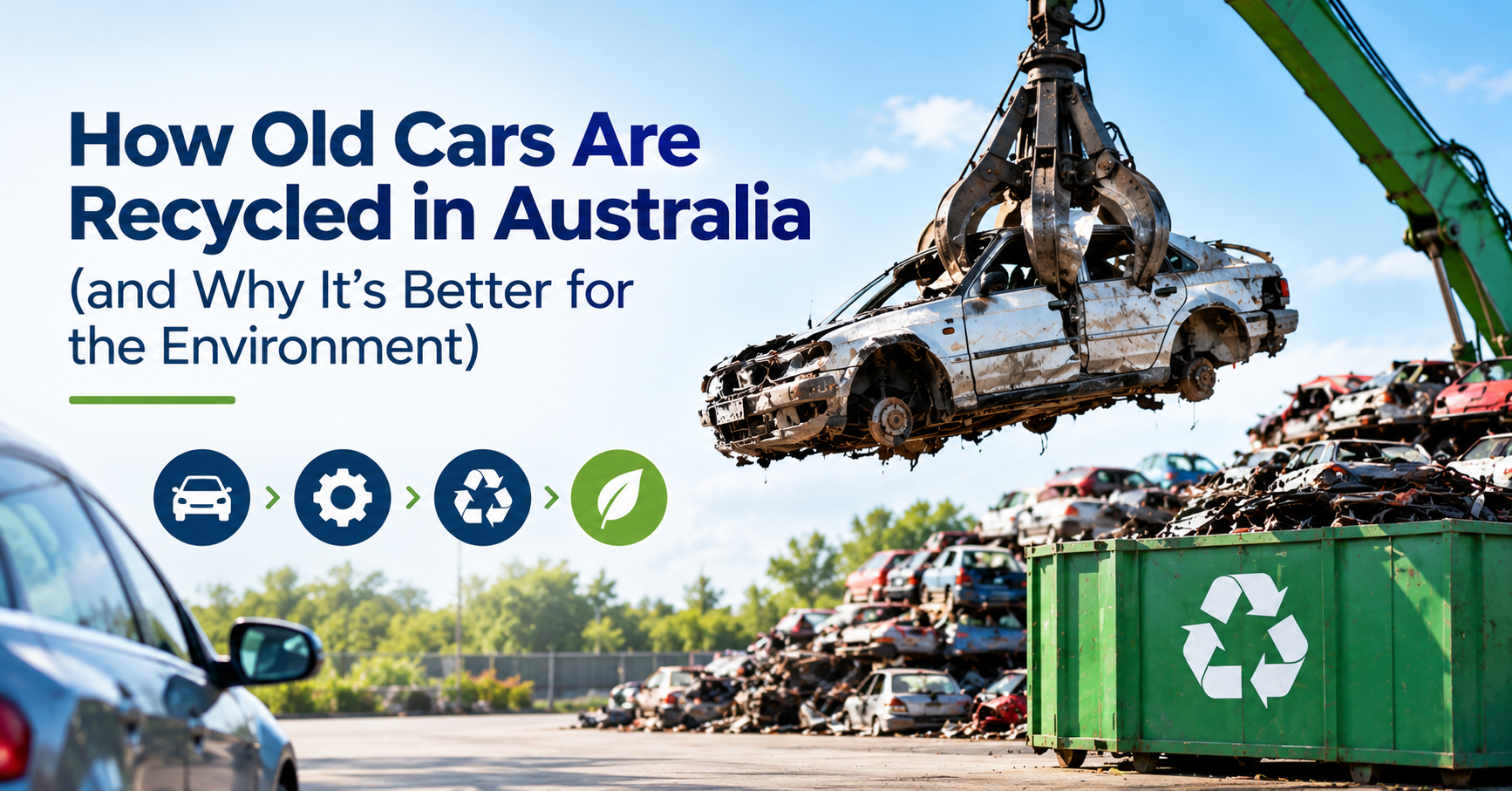
When an old car is recycled in Australia, it's first drained of fuel, oil and other fluids, then stripped of reusable parts, batteries, tires and the catalytic converter. The remaining body is crushed and shredded, and the metals are separated and sent to be melted down and reused. Around three-quarters of a typical car by weight can be recycled, which saves energy, reduces mining and keeps toxic materials out of landfill.
Key takeaways
Around three-quarters of a typical car by weight can be recycled, mostly its steel and other metals.
Every car must be depolluted first, with fuel, oil, coolant, brake fluid and refrigerant removed safely.
Batteries, tires, catalytic converters and working parts are recovered before the body is shredded.
In NSW, scrap metal businesses must be licensed and keep records, which helps stop stolen cars being scrapped.
Choosing a licensed recycler keeps toxic materials out of soil, waterways and landfill.
Most of us never think about what happens to a car after it leaves the driveway for the last time. It doesn't just disappear into a scrapyard pile. A modern car is made of steel, aluminum, copper, plastics, glass and precious metals, and much of that can be recovered and turned into something new.
Here's what really happens to an old car in Australia, step by step, and why recycling it properly matters.
The process starts when the car is picked up, often by a car removal company or wrecker. The recycler checks the owner's ID and proof of ownership, and records the vehicle details. This protects against stolen cars being scrapped, and confirms the car is legally theirs to process.
Before anything else, the car is made safe. Every fluid is drained and stored separately:
Fuel, which can often be reused
Engine oil and transmission fluid, which are re-refined or reprocessed
Coolant and brake fluid, which are treated as hazardous waste
Air conditioning refrigerant, which must be recovered by a licensed technician
This step matters most for the environment. A single car's leftover oil and coolant can contaminate soil and waterways if it's dumped or left to leak.
The battery comes out next. Lead-acid car batteries are among the most recycled products in the world, with the lead and plastic casing almost entirely recoverable. Tires are removed and sent to tire recyclers, and airbags are safely deployed or removed.
Any parts still in good working order are removed for resale. Engines, gearboxes, alternators, starter motors, doors, panels, lights and wheels can all find a second life in another car. Buying used parts like these keeps repair costs down for other drivers and means fewer new parts need to be made.
The catalytic converter is also removed at this stage. It contains small amounts of precious metals, such as platinum, palladium and rhodium, which are valuable and recovered by specialist refiners.
What's left of the car is flattened and taken to a shredder, a large industrial machine that tears the body into fist-sized pieces in under a minute.
The shredded pieces are sorted. Powerful magnets pull out the steel and iron, and other systems separate aluminum, copper and other non-ferrous metals. The sorted metals are sent to steelworks and smelters, where they're melted down and made into new products.
The leftover mix of plastic, foam, fabric and glass is called shredder residue. Much of it still ends up in landfill, which is one of the biggest challenges for the car recycling industry today.
Most of a recycled car goes on to a second life, often in products you'd never connect with an old sedan.
|
Part or material |
What it can become |
|
Steel body and frame |
New steel for construction, appliances and cars |
|
Aluminum (wheels, engine parts) |
New aluminum products, including car parts |
|
Copper wiring |
New wiring and electrical components |
|
Lead-acid battery |
New batteries |
|
Tires |
Crumb rubber for playgrounds, sports surfaces and roads, or fuel for industry |
|
Engine oil |
Re-refined oil and industrial fuels |
|
Catalytic converter |
Recovered precious metals for new converters and electronics |
|
Working parts |
Second-hand parts for repairing other cars |
Recycling an old car properly has three big benefits.
It saves energy and resources. Making steel from scrap uses significantly less energy than making it from iron ore, and it reduces the need for mining. The same is true for aluminum and copper.
It keeps toxic materials out of the ground. Oil, coolant, brake fluid, battery acid and refrigerant can all pollute soil and water. A car left to rot in a backyard or dumped in bushland slowly leaks these into the environment.
It reduces landfill. Every part that's reused or recycled is one less thing taking up space in a tip, and one less new part that needs to be manufactured.
|
Term |
What does it mean? |
|
Depollution |
Draining and safely removing every fluid and hazardous item from a car before it's crushed |
|
Ferrous metals |
Metals containing iron, such as steel, which can be pulled out with magnets |
|
Non-ferrous metals |
Metals without iron, such as aluminum and copper, separated by other methods |
|
Shredder residue |
The leftover plastic, foam, fabric and glass after metals are removed |
|
Catalytic converter |
An exhaust part containing precious metals that reduces harmful emissions |
|
End-of-life vehicle |
A car that has reached the end of its road life and is ready for dismantling and recycling |
Car recycling is regulated, which helps keep the process safe and legal.
Refrigerant handling: Air conditioning gas must be recovered by a technician holding the right refrigerant license, because releasing it harms the ozone layer and adds to climate change.
Scrap metal licensing in NSW: Scrap metal businesses in NSW must be licensed and keep records of the vehicles and sellers they deal with. This helps stop stolen cars being scrapped.
Tire exports: Australia has restricted the export of whole waste tires, so more old tires are now processed into new products here at home.
Paperwork: When your car is collected, you'll need to show ID and proof of ownership, and you should cancel or transfer the registration through Service NSW.
Not every operator follows the rules. To make sure your old car is handled properly, check that the business:
Is properly licensed and asks for your ID and proof of ownership
Depollutes cars before crushing them
Uses licensed refrigerant technicians and approved tire and battery recyclers
Gives you a receipt or disposal record when the car is collected
If you've got an old car you no longer use, a professional unwanted car removal service can collect it and take care of the recycling for you. At YOUR-WEBSITE-URL, we make sure every car we collect is depolluted, stripped of reusable parts and recycled responsibly.
How much of a car can be recycled?
Around three-quarters of a typical car by weight can be recycled, mostly its steel and other metals. Plastics, foam and glass are harder to recover.
What happens to the fluids in an old car?
They're drained before the car is crushed. Oil is re-refined, fuel is often reused, and coolant, brake fluid and refrigerant are handled as hazardous waste.
Are old car batteries recycled?
Yes. Lead-acid car batteries are highly recyclable, and almost all of the lead and plastic can be recovered to make new batteries.
What happens to electric and hybrid car batteries?
Lithium-ion batteries need specialist handling. Recycling options in Australia are still growing, and some batteries are reused for energy storage before being recycled.
Do I get paid when my car is recycled?
Often, yes. Recyclers value a car on its reusable parts and metal content, so even an old or non-running car can be worth something.
Is it illegal to dump an old car in Australia?
Yes. Dumping a car is treated as illegal dumping under state environmental laws and can attract heavy fines. Councils can also remove vehicles they consider abandoned.
How long does it take to recycle a car?
Depolluting a car and removing its parts usually takes a few hours, while shredding takes only minutes. The full process depends on how busy the recycling yard is.
An old car doesn't have to end up rusting in a backyard or sitting in landfill. Recycled properly, most of it becomes new steel, new batteries, road surfaces and spare parts that keep other cars on the road.
If it's time to say goodbye to your old car, choose a licensed recycler that depollutes and recycles responsibly. It's better for the environment, and it's usually the easiest way to get rid of a car you no longer need.