Russian
 English
 Romaian
 Portuguese (Brazil)
 Greek
Greek

Global Dielectric Gel Market Expansion Supported by Automotive Electrification and Renewable Energy Infrastructure
Other |
2026-10-01 13:10:55
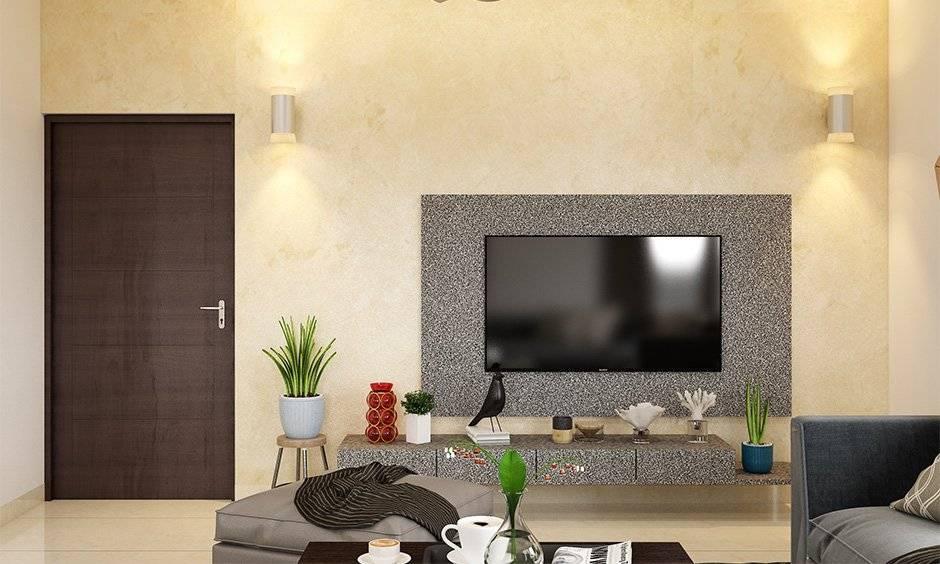
Repainting a home can make rooms feel cleaner, brighter, and more welcoming, but completing the project while people continue using the space requires careful planning. Bedrooms need to remain accessible, kitchens must stay functional, and family members may need quiet areas for work, study, or rest. Without a clear plan, even a straightforward painting project can create unnecessary inconvenience.
Choosing the right Interior Paint is only one part of a successful renovation. Homeowners also need to consider room access, ventilation, drying times, furniture placement, and the order in which surfaces will be painted. A practical approach helps maintain a comfortable living environment while allowing the project to progress efficiently.
Painting an entire home at once may seem efficient, but it can leave residents with limited access to essential rooms. Dividing the project into smaller sections allows the household to continue its routine while work progresses.
Start by identifying the rooms that are easiest to temporarily clear. A guest bedroom, spare office, or less frequently used sitting area may be a suitable starting point. Essential spaces, such as kitchens and main bathrooms, often require more careful scheduling.
Create a simple sequence that identifies which room will be painted first, where furniture will be stored, and which areas need to remain accessible. If multiple rooms connect through a hallway, consider how painting one area could affect access to another.
For larger homes, completing one room at a time can make cleanup and furniture relocation easier. The ideal sequence depends on the layout, the number of occupants, and the amount of work required.
Different rooms experience different levels of wear. A guest bedroom may need less frequent cleaning than a busy hallway, while a kitchen wall may be exposed to grease, moisture, and regular wiping.
When comparing paints, consider how the room is used and how often the walls will need cleaning. Washability, durability, coverage, and the manufacturer's recommended application conditions are all useful factors.
For high-traffic areas, a durable finish that tolerates routine cleaning may be beneficial. Bedrooms and living rooms offer more flexibility, depending on the desired appearance and maintenance needs. Kitchens and bathrooms require products appropriate for their moisture conditions, along with adequate ventilation and control of the underlying moisture source.
Paint sheen also affects the final appearance. Matte finishes can help soften the appearance of minor surface imperfections, while satin or semi-gloss finishes are often selected where easier cleaning is important. Exact performance varies by product, so review the manufacturer's specifications rather than relying on sheen alone.
Moving furniture at the last minute can slow down the project and increase the risk of accidental spills. Before work begins, decide which items need to leave the room and which can be protected in place.
Small furniture and decorative items are generally easier to remove. Larger pieces may be moved toward the center of the room, provided there is enough space for the painter to work safely around them. Cover remaining items with suitable protective sheets and keep valuable belongings away from active work areas.
Remove wall decorations, curtains, and other items that could obstruct access to the surfaces being painted. Protect floors with appropriate coverings, paying attention to edges where paint could drip or spread.
It is also useful to label hardware removed from doors, cabinets, or fixtures. Store screws and small components together so they can be located easily when the room is ready to return to normal use.
A few minutes of preparation can save considerable cleanup time later.
One of the most important parts of scheduling an occupied-home painting project is understanding that dry-to-touch does not necessarily mean fully cured.
Paint products have different drying and recoating requirements. Temperature, humidity, ventilation, coating thickness, and the condition of the surface can all influence how quickly a coating dries.
Read the product label and technical instructions before planning when a room can be used again. Allow the specified time between coats, and avoid placing furniture directly against freshly painted walls until the coating can tolerate contact.
Where possible, schedule work in a room that can remain unused for the required period. This is particularly helpful for bedrooms, children's rooms, and spaces where furniture must sit close to walls.
Do not assume that opening windows or increasing airflow will automatically make every coating dry faster. Follow the product's recommendations for ventilation and application conditions, especially when using coatings that require specific temperature or humidity ranges.
Painting can release odors and airborne substances, so ventilation deserves attention when residents remain in the home. Before selecting a product, review its label and safety information, including any recommendations for ventilation, protective equipment, and room occupancy.
Low-VOC or low-odor products may be worth considering, particularly in frequently used indoor spaces. However, low odor does not automatically mean a product is free of emissions or suitable for every situation. Follow the manufacturer's instructions for safe use and re-entry.
Keep children, pets, and people who may be sensitive to painting-related emissions away from active work areas. If ventilation is limited, consider whether the project should be scheduled differently or handled by a qualified professional.
Never use paint in an enclosed area contrary to the product's safety requirements. Good preparation includes planning how the space will be ventilated before work starts.
Painting often takes place alongside flooring updates, electrical work, cabinet installation, or other renovation tasks. The order of these activities can affect the final result.
For example, sanding or cutting materials after painting can create dust that settles on fresh walls. Installing bulky furniture too early may obstruct access to lower wall sections. Work that requires opening walls should generally be planned before the final paint application.
Discuss the sequence with everyone involved in the project. If several contractors are working in the home, confirm when each area will be ready for painting and when it can be used again.
For projects involving new drywall or repaired surfaces, make sure the substrate is properly prepared and any required primer has been applied. Painting over unfinished repairs can produce uneven texture or inconsistent color.
A coordinated schedule reduces the likelihood of having to repeat work.
Color selection can influence how comfortable a room feels throughout the day. Natural light, artificial lighting, flooring, furniture, and surrounding finishes all affect how a color appears.
A shade that looks neutral in a bright showroom may appear warmer or cooler in a room with limited daylight. Before committing to a large quantity, test samples on the actual wall and observe them at different times of day.
Consider the room's purpose as well. Soft, muted colors may suit a restful bedroom, while a shared living area may benefit from a shade that works with existing furniture and decorative elements.
If the home is being painted in stages, record the exact product name, color code, finish, and batch information where available. This makes it easier to maintain consistency when purchasing additional paint or completing touch-ups later.
A painting budget should include more than the cost of paint. Preparation materials, brushes, rollers, protective coverings, primer, repairs, and labor may all contribute to the final expense.
Estimate the wall and ceiling areas that need painting, then use the product's stated coverage information to calculate the approximate quantity required. Surface texture, repairs, color changes, and the number of coats can affect actual consumption.
Also account for the time needed to prepare surfaces, move furniture, allow coatings to dry, and clean each room. A schedule that allows no time for these steps can create pressure to use rooms before they are ready.
If the project includes extensive repairs, high ceilings, difficult access, or specialized coatings, professional assistance may be appropriate.
A comfortable painting experience depends on matching the product to the room, preparing the space carefully, and planning how the household will function while the work is underway.
Before starting, confirm the paint's suitability, organize furniture and supplies, check drying instructions, and establish a realistic sequence for each room. These steps help prevent avoidable interruptions and support a more consistent finish.
When selecting Interior Paint for your next home improvement project, consider durability, cleaning requirements, color, sheen, and application conditions together. With the right preparation and a practical schedule, you can refresh your living spaces while keeping everyday life as manageable as possible.