Aqualyx Injections and Their Non-Surgical Advantages
Health |
2026-06-30 06:49:26
 Russian
 English
 Romaian
 Portuguese (Brazil)
 Greek
Greek
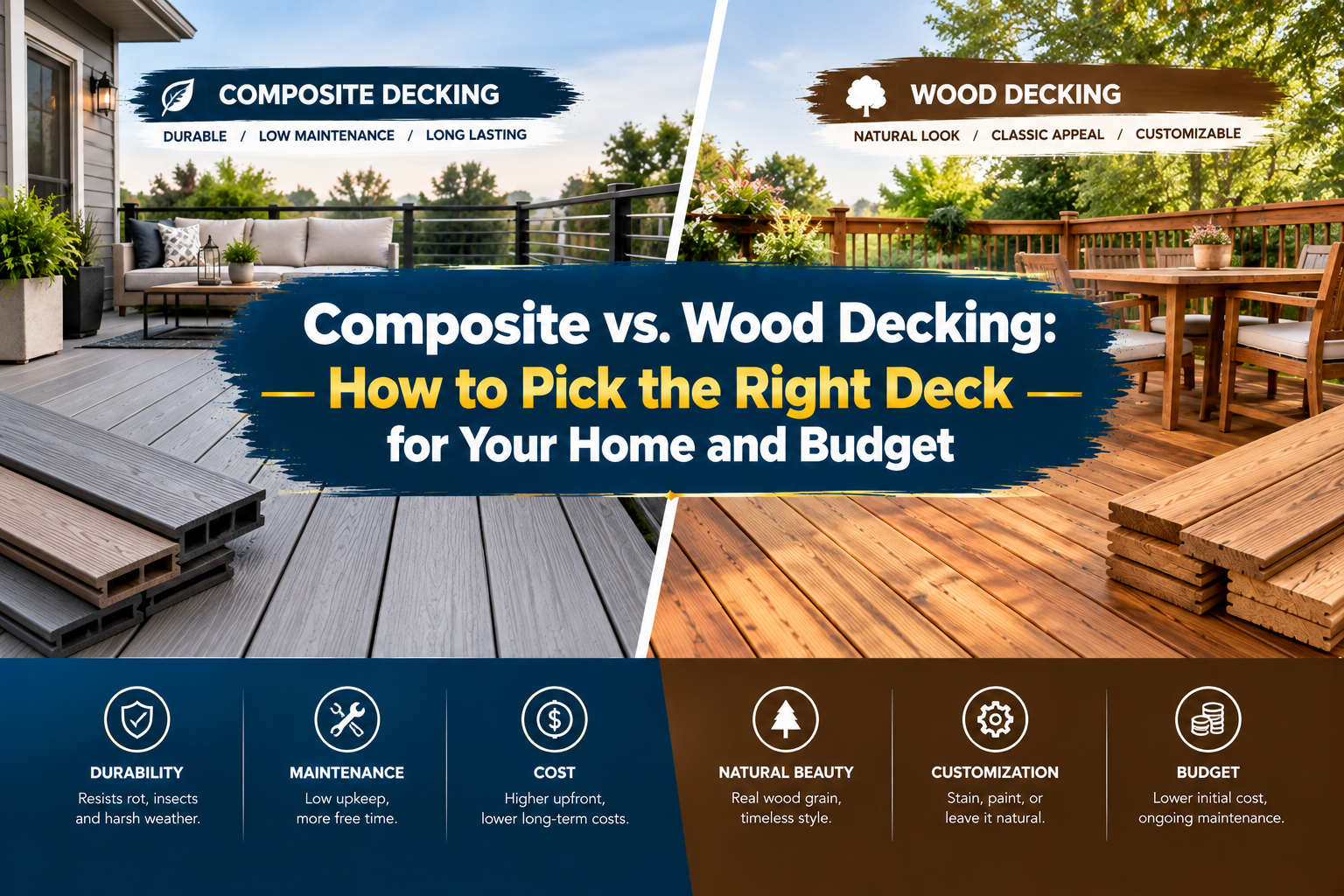
A deck is one of those home upgrades that looks simple until you start pricing it. Wood is cheaper at the lumberyard. Composite is pricier up front but promises fewer weekends spent with a sander. Every decking supplier will tell you their product is the best, so it’s hard to know who to believe.
This guide goes through the real trade-offs: upfront cost, upkeep, lifespan, and day-to-day comfort. If you want a detailed side-by-side with pricing and maintenance breakdowns, the full guide on composite vs wood decking is worth a read before you commit to a material.
Wood is the classic option. The most common choice is pressure-treated pine, which is budget-friendly and easy to find. If you want a richer look, you can step up to cedar, redwood, or tropical hardwoods like ipe. Hardwoods look beautiful and last a long time, but they cost more and are harder to cut and fasten.
Composite boards are made from a mix of wood fibers and plastic, often recycled. Newer boards have a protective shell, called capping, that guards the core against moisture, stains, and fading. The result looks like wood at a glance but behaves very differently over the years.
If your goal is to spend as little as possible today, wood wins. Pressure-treated lumber costs noticeably less per linear foot than composite, and on a typical mid-sized deck the difference can add up to several thousand dollars at purchase.
Upfront price is only part of the story. Wood needs regular cleaning, sanding, and re-staining, and those costs repeat every year. Over ten or fifteen years, the money spent on stain, sealer, supplies, and sometimes professional help can close much of the gap. Composite mostly needs soap, water, and an occasional rinse.
Decking material is only one line in the total cost. Framing, footings, railings, stairs, fasteners, permits, and labor all add up. Homeowners who price only the boards are often surprised by the final number. A proper material takeoff and project estimate helps you see the full picture before you sign a contract.
With good care, pressure-treated pine commonly lasts about 10 to 15 years, and cedar or redwood can reach 15 to 20 years. Premium hardwoods can last decades longer. Those numbers depend heavily on climate and upkeep. A deck that is regularly sealed and kept clear of standing water will outlast one that is ignored.
Quality composite boards often last 25 to 30 years or more, and PVC decking can go longer still. They don’t rot, they resist insects, and the color runs through the board, so you won’t see peeling or flaking.
Whatever you choose, these are the usual enemies:
Standing water and poor drainage
Constant sun exposure with no protection
Mold and mildew in shaded, damp areas
Loose or corroded fasteners
Skipped inspections
Wood asks for commitment. Plan on a seasonal sweep, a yearly deep clean, an inspection of fasteners, and re-sealing or re-staining on a regular schedule. Some people enjoy this routine, and it’s a good fit if you like hands-on projects. If you don’t, a neglected wood deck will show it quickly through graying, splinters, and soft spots.
Composite is far less demanding. A rinse every couple of months and a wash with soap and a soft brush a couple of times a year is usually enough. You’ll still want to check the structure and fasteners once a year, because the framing underneath matters no matter what’s on top.
Splintering, rot, warping, and mold are the typical complaints. None are deal-breakers if you stay on top of maintenance, but they’re the reason many owners eventually regret choosing wood.
Composite has its own weak points:
Higher upfront price
It can’t be sanded or restained if you change your mind about the color
Dark boards can get hot in direct sun
Furniture can scratch the surface
Grease and oil stains need prompt cleaning
Have a tight starting budget
Plan to sell the house within a few years
Love the look and feel of natural timber
Don’t mind regular upkeep, or enjoy it
Want the freedom to restain in a new color later
Want low maintenance and a predictable appearance
Plan to stay in the home for 10 years or more
Care about long-term value over short-term savings
Prefer a surface that won’t splinter or rot
Like the idea of using recycled content
Ask yourself these four questions before you buy:
How long will I own this home?
Am I willing to maintain the deck every year?
What is my realistic total budget, not just the board cost?
Does my climate (heavy rain, intense sun, freezing winters) favor one material?
Your answers will usually point to the right choice.
Neither material is “best” for everyone. Wood gives you lower upfront cost and natural character, but it demands time and money to keep it looking good. Composite costs more at the start but gives you easier ownership and a longer lifespan. Be honest about your budget, your patience for maintenance, and how long you’ll be living with the deck, and the decision gets much easier. For a deeper look at the numbers, revisit this breakdown of cost, durability, and maintenance for composite and wood decks before you place your order.