Russian
 English
 Romaian
 Portuguese (Brazil)
 Greek
Greek

توازن مثالي بين التقشير والترطيب لبشرة مثالية
Health |
2026-02-24 08:44:40
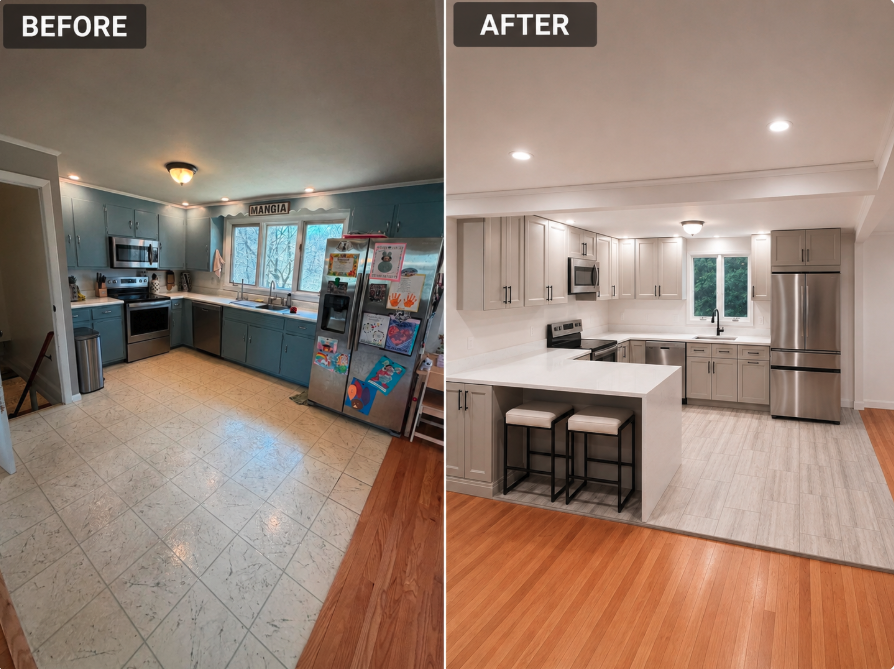
Porcelain or ceramic tile and luxury vinyl plank are the safest choices for a remodeled bathroom floor, because both handle water well. Tile is the most water resistant and the most durable, but it feels hard and cool underfoot and its grout needs cleaning. Luxury vinyl plank, usually called LVP, is warmer and easier to maintain, although it can dent. Hardwood is the hardest to justify in a bathroom because it is sensitive to moisture. The right pick depends on how wet the floor gets, how you want it to feel, and how it fits the rest of your remodel.
If you are weighing bathroom flooring in Peabody, MA as part of a remodel, decide on the floor early, because it affects the vanity, the shower, and every transition in the room. Elevate Kitchen & Home plans flooring alongside the rest of the bathroom, with one team covering design, materials, and installation. This guide explains how each material behaves in a wet room, what to check before you commit, and how the floor fits into the remodel sequence.
Not every bathroom floor faces the same exposure. A shower floor is wet every day, the area beside the tub or vanity gets splashed, and a half bath may barely get wet at all. Those differences matter because water tolerance and slip resistance are two separate questions. The Tile Council of North America sets a minimum wet DCOF (dynamic coefficient of friction) of 0.42 for ceramic tile on level interior floors that people walk on when wet, under the ANSI A137.1 standard. The same guidance allows lower values in spaces that stay dry underfoot, so the right number depends on how the room is used. When you shop for tile, ask the supplier for the wet DCOF value instead of relying on a label that only says non-slip.
Porcelain and ceramic tile have the highest water and wear resistance of the common bathroom floors. The tradeoffs are a hard, cool surface and grout lines that need regular cleaning. Small-format mosaic tile adds more grout lines, which means more grout to keep clean. Elevate installs porcelain, ceramic, natural stone, and mosaic tile on bathroom floors, and the work includes substrate prep and waterproofing so that floors and showers are built to last. If cold feet are your main worry, weigh LVP before you commit.
LVP can mimic wood or stone, handles moisture well, and needs very little maintenance. It also feels warmer than tile, which makes it a good fit for a bathroom where comfort matters and the floor sees regular splashes rather than standing water. Check the wear layer and the warranty before you choose a product, because quality varies between lines. Heavy, sharp impacts can still dent or scratch the surface. Water resistant is not the same as waterproof, so wipe up standing water and fix leaks promptly.
Hardwood is warm, long lasting, and can be refinished, but it does not like standing water. A bathroom adds steam, splashes, and the occasional overflow, which is a lot to ask of a wood floor. Some homeowners still want it in a rarely used half bath, and that can work with quick spill cleanup and mats. If what you really want is the look of wood, LVP offers a similar appearance with more water resistance.
The material you pick matters less if the subfloor is not sound. Soft or uneven spots need repair before new flooring goes down, and that work affects cost. Elevate’s flooring pricing depends on the material, the size of the room, and the amount of subfloor prep. Ask for an itemized quote that separates materials, labor, and prep, so you can see where the money goes and compare bids on equal terms.
Look at flooring samples next to the vanity, countertop, and wall tile under your actual bathroom lighting. A warm, yellow-toned floor can clash with cool gray finishes, and a busy countertop pattern usually calls for a calmer floor. A bathroom is a closed room, so the floor does not have to match the hallway, but the transition at the doorway should look clean. Sequence matters too. Floating floors, which include many LVP products, need room to expand and contract, so they typically stop at a fixed vanity rather than run under it, with trim covering the gap. Plan the order of work before demolition begins.
Start with the shower and the area around it. If the floor gets wet every day and you want the most durable surface, tile is the straightforward answer. If comfort underfoot matters more and the room sees splashes rather than standing water, LVP deserves a close look. If you want wood in a room that rarely gets wet, treat hardwood as the exception and plan for careful upkeep.
The process starts with a free consultation, in your home or at the Peabody showroom, with no obligation. Within 24 hours you receive a 3D design and an itemized quote. At the showroom you can compare hardwood, LVP, and tile beside vanity and countertop samples before you decide. Once you approve the design and pricing, Elevate’s own crew handles the installation, and one contract with one project manager covers the whole project. A 10% deposit reserves your project, and financing is available through Hearth, with a rate check that does not affect your credit score. Elevate serves Peabody and the North Shore, including Salem, Danvers, Beverly, Marblehead, and Swampscott.
What is the best flooring for a bathroom remodel?
Porcelain or ceramic tile and LVP are the most common choices because both handle water well. Tile is the most water resistant and durable. LVP is warmer underfoot and easier to maintain. Your best pick depends on how wet the floor gets and what you want it to feel like.
Is LVP or tile better in a bathroom?
Both resist water. Tile is the most durable but is hard, cool, and has grout to clean. LVP is softer and warmer and needs less upkeep, but it can dent. Choose tile if durability comes first and LVP if comfort comes first.
Can you put hardwood flooring in a bathroom?
It is possible, but hardwood is sensitive to moisture, so it suits a rarely used half bath better than a full bath with a daily shower. LVP gives a similar look with more water resistance.
What slip resistance should bathroom floor tile have?
For ceramic tile on level interior floors walked on when wet, the Tile Council of North America cites a minimum wet DCOF of 0.42 under ANSI A137.1. Ask your supplier for the wet DCOF value of any tile you are considering.
Can new flooring be installed as part of a bathroom remodel?
Yes. Elevate plans and installs flooring with kitchen and bathroom remodels, and the free consultation includes a 3D design and an itemized quote within 24 hours.