Russian
 English
 Romaian
 Portuguese (Brazil)
 Greek

Expert Tallahassee Plumbing Repair & Installation by Watson & Sons
Home |
2026-08-17 20:23:38
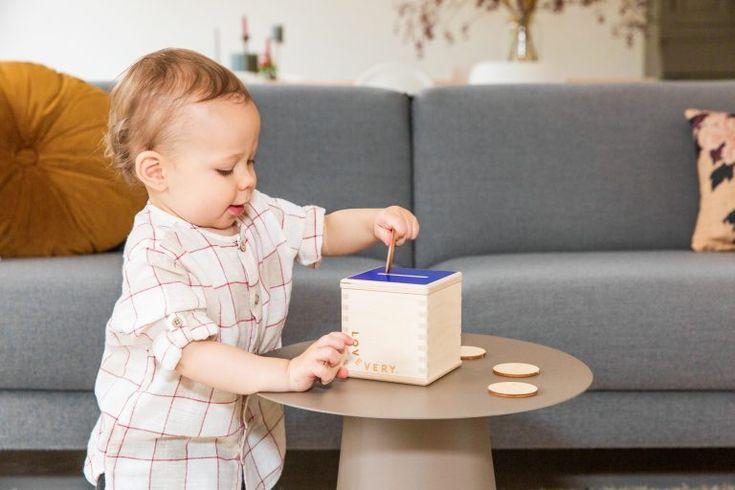
Choosing toys for a first birthday can feel overwhelming when every shelf promises learning and entertainment. For families exploring independent play, one year old montessori toys offer a simple starting point: hands-on activities that encourage children to explore at their own pace. Rather than filling playtime with flashing lights and automatic sounds, these toys invite toddlers to touch, move, stack, and discover. The goal is not to rush development or teach academic skills early. It is to offer enjoyable experiences that match a child’s interests and growing abilities.
Montessori education emphasizes independence, purposeful activity, and learning through direct experience. Toys described as Montessori-inspired often reflect these principles through simple designs and clear activities.
For example, a stacking toy lets a child practice placing one piece onto another. A posting box invites them to put an object through an opening and retrieve it.
Wood is common, but a toy does not become Montessori simply because it is wooden. More useful questions are whether the child can explore it actively and whether its challenge feels manageable.
Around their first birthday, children may enjoy putting objects into containers, taking them out, banging items together, and experimenting with movement. Their interests and abilities vary considerably.
Choose toys based on what your child currently enjoys. A toddler who repeatedly empties baskets might appreciate nesting cups. One who loves dropping objects may enjoy a posting activity.
Look for sturdy construction, manageable pieces, and an appropriate age rating. Start with a small selection rather than buying every recommended toy. Watching how your child plays will help guide future choices.
Stacking cups offer several ways to play. Children can nest them inside each other, build short towers, or place objects inside.
At first, your toddler may prefer knocking down your tower. That is still a useful way to explore what happens when objects move.
Choose durable cups with smooth edges and sizes appropriate for young toddlers.
A ring stacker gives children an opportunity to practice grasping, releasing, and coordinating their movements.
They do not need to arrange the rings correctly to enjoy the activity. Removing them from the post may be the first attraction.
Look for large rings and a thoughtfully designed base without sharp or exposed points.
An object permanence box usually allows a child to drop a ball through a hole and watch it appear in a tray.
The repeated action creates a clear connection between what the child does and what happens next.
Choose a version intended for your child’s age, with a sufficiently large ball and no accessible small components.
A puzzle with a few large pieces can introduce matching and spatial exploration. Begin with uncomplicated shapes rather than detailed pictures containing many pieces.
Your child may initially remove pieces without replacing them. Allow time for this exploration.
Check that handles and other attached parts are secure, and follow the manufacturer’s age guidance.
A small collection of large blocks can support open-ended play. Toddlers may carry them, place them beside each other, or try stacking two together.
There is no need to demonstrate elaborate buildings. A simple tower provides plenty to investigate.
Choose blocks that are too large to swallow, with smooth surfaces and no splintering.
A comfortable play area does not require expensive furniture. A clear floor space and a few accessible toys can be enough.
Arrange activities where your child can see them. Avoid crowding every available surface, which can make choosing an activity harder.
When interest fades, put some toys away and introduce others from your existing collection. Toy rotation should follow your child’s engagement rather than a strict schedule.
Keep favorite activities available when your toddler continues returning to them.
Sit nearby and demonstrate a toy slowly when needed. Then give your child room to try.
Avoid correcting every attempt or repeatedly asking them to perform. A ring placed beside the stacker or a block dropped into a basket can become part of their exploration.
Describe actions naturally: “You put the ball inside.” Quiet observation is also valuable.
Shared play should feel relaxed, with opportunities for connection and independent discovery.
When buying one year old montessori toys, prioritize age suitability over attractive colors or packaging. Avoid small detachable parts, accessible magnets, button batteries, and long cords.
Inspect toys regularly for damage, loose pieces, or rough edges. Supervise play, especially when introducing unfamiliar materials, and remember that homemade activities need the same careful assessment.
A thoughtful toy collection can remain small. Choose activities your child enjoys, offer gentle support, and allow repetition. Simple, engaging play gives toddlers opportunities to explore without pressure to reach a particular result.