Russian
 English
 Romaian
 Portuguese (Brazil)
 Greek

Microfluidics Market: Competitive Landscape and Leading Companies
Health |
2026-08-05 09:51:27
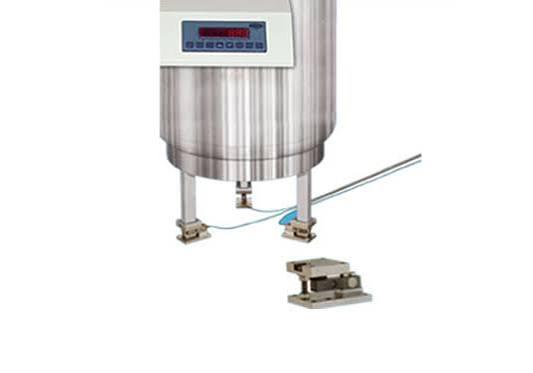
Industries that store and process liquids, powders, chemicals, and other bulk materials need reliable methods to monitor their inventory and control production activities. A Tank Weighing System in UAE helps businesses measure the weight of materials inside storage and processing tanks, making it easier to manage stock, control ingredient quantities, and maintain consistent production procedures. These systems are useful for companies that require dependable measurements as materials enter, remain inside, or leave a tank.
As industrial operations become more automated, accurate weighing technology plays an important role in improving efficiency. Selecting a suitable tank weighing solution can help businesses reduce measurement errors, monitor material usage, and maintain better control over daily operations.
A tank weighing system is an industrial measurement solution designed to determine the weight of a tank and its contents. It typically uses load cells installed beneath the tank's support points. These sensors detect the force applied by the tank and convert it into electrical signals.
The signals are processed by a weighing indicator or controller, which displays the measured weight. Once the empty tank's weight has been accounted for, operators can determine the net weight of the stored material.
Unlike methods that estimate contents from liquid height, weight-based measurement determines the actual load supported by the tank. This can be particularly helpful when material density changes or when the tank's shape makes level-based estimates less reliable. Correct installation and calibration remain essential for dependable results.
A typical tank weighing arrangement combines several components that work together to produce a weight reading.
Load cells are the primary sensing components. They are positioned at suitable support points to measure the force created by the tank and its contents. Their capacity and design must match the tank's total load and operating conditions.
Mounting assemblies support the load cells and help transfer the tank's weight correctly to the sensors. Proper mounting is important because uneven loading, unwanted friction, or mechanical restrictions can affect measurement performance.
In systems using multiple load cells, a junction box combines their electrical signals before sending them to the weighing indicator. Appropriate wiring and protection help maintain stable signal transmission.
The indicator processes the signals and displays the measured weight. Depending on the equipment, additional communication features may allow weight data to be transferred to a computer or industrial automation system.
When these components are correctly selected and installed, the system can provide useful weight information for inventory monitoring, batching, and production control.
Businesses throughout the UAE operate in industries where bulk materials must be stored, measured, and handled carefully. Manufacturing plants, food processors, chemical facilities, and water treatment operations may all rely on tanks as part of their workflows.
Without reliable measurement, a company may struggle to determine how much material remains available or how much has been consumed during production. This can lead to stock discrepancies, inefficient material usage, and interruptions to planned activities.
A properly configured tank weighing system helps operators obtain weight readings that support inventory records and production decisions. It can also assist businesses in standardizing measurement procedures across different stages of their operations.
When selecting equipment for UAE facilities, businesses should consider ambient temperature, humidity, dust exposure, cleaning requirements, and any hazardous-area restrictions relevant to their sites.
Chemical plants often store liquid ingredients, powders, and other materials in dedicated tanks. Weighing systems can help operators monitor quantities and measure ingredients for production batches.
Facilities handling hazardous or corrosive materials must choose components suitable for their specific environment and follow the relevant safety requirements.
Food and beverage manufacturers may use tanks for water, oils, syrups, sauces, and other ingredients. Weight-based measurement can support controlled mixing and help production teams maintain consistent ingredient quantities.
Where equipment is exposed to frequent washing, the load cells, mounting assemblies, and electronics should have suitable environmental protection.
Tank weighing technology can support the monitoring of stored materials in selected oil, lubricant, and fuel applications. It can provide weight information that complements other inventory management methods.
Equipment installed in potentially explosive environments must be specifically approved and configured for the applicable hazardous-area classification.
Pharmaceutical facilities require careful control over ingredients and production processes. Suitable tank weighing equipment can support material dosing, batch preparation, and production documentation.
The system should be selected according to the facility's accuracy requirements, hygiene standards, validation procedures, and data-recording needs.
Water treatment plants use storage tanks for water and treatment chemicals. Tank weighing systems can help monitor material consumption and support controlled dosing operations when integrated with appropriate process equipment.
A correctly installed and calibrated system provides direct weight measurements that can help businesses monitor material quantities. This is useful when accurate records are important for production or inventory management.
Regular weight readings can help operators understand how much material remains in a tank. This information can support stock planning, replenishment schedules, and material usage reports.
When connected to suitable controllers or automation equipment, tank weighing systems can contribute to controlled filling, mixing, and batching processes. The level of automation depends on the system design and the equipment connected to it.
Manual estimation can be difficult when tanks are large or their contents are not easily visible. Weight-based monitoring provides a more structured method for tracking material quantities.
Consistent weighing data can help teams identify material usage patterns and investigate unexpected differences. Although weighing systems cannot eliminate every production problem, they can provide valuable information for better operational decisions.
Choosing the right equipment requires an understanding of the tank, its contents, and the process in which it operates.
Tank capacity and total load: Consider the empty tank weight, maximum contents, and other loads that may affect the supports.
Required accuracy: Define the measurement precision needed for inventory, batching, or process control.
Load cell selection: Choose suitable load cells based on capacity, mounting arrangement, and environmental conditions.
Installation design: Review tank supports, connected pipes, agitators, and other mechanical forces that could influence readings.
Environmental protection: Check whether the system needs protection against moisture, dust, washdown, or extreme temperatures.
Automation compatibility: Confirm whether the indicator needs to connect with a PLC, control panel, or monitoring software.
Maintenance and calibration: Establish an appropriate inspection and calibration schedule based on the application and manufacturer's recommendations.
Careful planning before installation can help prevent measurement problems and ensure that the system is appropriate for the intended process.
Regular maintenance is essential for dependable tank weighing measurements. Operators should inspect load cells, mounting assemblies, cables, and electrical connections for visible damage or signs of wear. The tank's supports should also remain in suitable condition.
Mechanical restrictions deserve particular attention. Pipes, hoses, or other connections that place unexpected forces on the tank can affect readings. Vibration, uneven loading, and incorrect installation may also influence measurement stability.
Calibration and performance checks should be conducted according to the manufacturer's guidance and the importance of the application. If readings become inconsistent, qualified technicians should investigate the cause before adjustments are made.
Al Falah Scales is a weighing equipment provider in the UAE that businesses can consider when evaluating industrial weighing requirements. Companies looking for tank weighing equipment should first identify their required capacity, accuracy, installation arrangement, and operating environment.
Before making a purchase, it is important to confirm the availability of a suitable system, its technical specifications, compatibility with existing equipment, and the installation or maintenance support offered by the supplier.
A solution selected around the actual needs of a facility can help improve measurement consistency and support effective material management. Comparing equipment specifications carefully also helps businesses make informed decisions for their production and inventory processes.
A tank weighing system provides an effective way to measure materials stored in industrial tanks and support better control over inventory and production activities. From chemical manufacturing and food processing to pharmaceutical production and water treatment, weight-based monitoring can provide useful information for daily operations.
Businesses considering a Tank Weighing System in UAE should evaluate load capacity, accuracy, installation requirements, environmental protection, and automation compatibility before selecting equipment. With appropriate system design, professional installation, and regular maintenance, companies can improve measurement reliability and manage stored materials more effectively.
Its main purpose is to measure the weight of a tank and its contents. The readings can help businesses monitor inventory, control material quantities, and support industrial production processes.
They are used in various applications, including chemical manufacturing, food and beverage processing, pharmaceuticals, oil and fuel operations, and water treatment.
A typical system includes load cells, mounting assemblies, electrical connections, and a weighing indicator or controller. Some installations also require a junction box and communication equipment.
Businesses should ensure correct installation, inspect the load cells and mounting assemblies, prevent unwanted mechanical forces, and arrange regular calibration or performance checks according to the manufacturer's recommendations.