Russian
 English
 Romaian
 Portuguese (Brazil)
 Greek

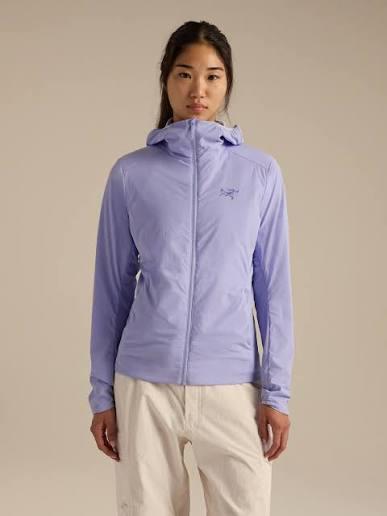
Arc’teryx clothing for women has earned a loyal following among hikers, climbers, skiers, and city commuters who are tired of gear that fails when the weather turns. The brand began in Vancouver in the early 1990s, and its reputation rests on precise patterning, bonded seams, and fabrics tested in harsh mountain conditions. This guide explains how the three core categories work, who each one suits, and what to check before you spend your money.
Women’s Jackets: The Backbone of the Range
Jackets are the category the brand is best known for, and they split into three main groups.
Hardshell jackets Arcteryx are built for heavy rain, snow, and wind. They use waterproof, breathable membranes and fully sealed seams. Look for a helmet compatible hood if you ski or climb, and underarm vents if you run warm on uphill sections.
Softshell jackets trade some waterproofing for stretch and breathability. They shed light showers and block wind, yet they feel more like a flexible layer than a stiff shell. Many hikers reach for a softshell on cool, dry days with steady movement.
Insulated jackets use synthetic fill or down to hold warmth. Down packs smaller and weighs less for its warmth, but it loses insulating power when soaked. Synthetic fill keeps working in damp air and dries faster, which matters in coastal or rainy regions.
When trying on a jacket, wear the layers you plan to use beneath it. Raise your arms, twist at the waist, and zip the collar fully. If the hem lifts above your waistband or the collar rubs your chin, try another size or cut.
Women’s Vests: Warmth Where You Need It
A vest keeps your core warm while leaving your arms free, which is why it appeals to runners, climbers, and anyone who overheats in full sleeves. Your core holds most of the heat your body must protect, so covering it often gives a strong comfort return for very little weight.
Vests work in a few different ways:
- As a mid layer under a shell on cold mornings.
- As a standalone layer on crisp, dry days.
- As a packable backup that fits inside a daypack.
Pay attention to the collar height and the hem length. A higher collar blocks drafts on your neck, and a slightly longer back panel protects your lower spine when you bend or sit. Hand pockets with secure zips are worth having if you carry a phone or keys.
Women’s Hoodies: Everyday Comfort With Technical Roots
Hoodies from this brand are not the cotton sweatshirts sitting in most closets. Many use stretch knit fabrics that wick moisture, dry quickly, and resist odor over multiple wears. Some are lightly insulated, and others are thin enough to layer under a shell.
This category suits several situations. A lighter hoodie handles warm up walks, travel days, and mild evenings. A heavier, fleece lined version works as a base for cold weather when paired with a shell. Because the fabric breathes, you are less likely to feel clammy during a brisk climb or a rushed commute.
Check the hood shape. A close fitting hood sits comfortably under a helmet or a shell hood, while a roomier one is better for casual wear. Thumb loops, flat seams, and a longer torso length are small touches that separate a technical hoodie from an ordinary one.
How to Build a Layering System
Good outdoor dressing is a system, not a single garment. A simple approach uses three layers:
- Base layer: a thin, moisture wicking piece that sits against your skin.
- Mid layer: a hoodie, light fleece, or vest that traps warmth.
- Outer layer: a hardshell or softshell that blocks wind and water.
Adjust as conditions change. Start a climb with the outer layer in your pack, add the vest when you stop for lunch, and put the shell on when the wind picks up. Regulating temperature early prevents the sweat and chill cycle that ruins long days.
Sizing and Fit Tips From Real Use
Sizing varies between product lines, so do not assume your size in one jacket matches another. Measure your chest, waist, and hips, then compare them with the size chart for each item. If you plan to layer heavily, consider sizing up in outerwear, but check that the sleeves and hem still sit correctly.
Try garments in the posture you will actually use. Reach forward as if holding trekking poles, crouch as if tying a boot, and look over each shoulder. A good fit allows free movement without excess fabric flapping in the wind.
Caring for Technical Outerwear
Care affects performance more than most owners realize. Dirt and body oils clog the pores of waterproof membranes, which reduces breathability and lets water soak into the outer fabric. Wash technical pieces with a gentle cleaner made for performance fabrics, and avoid regular detergents with softeners, which coat the surface.
Follow the label for water temperature and drying. Many shells benefit from a short, low heat tumble dry, which helps restore the water repellent finish. If water stops beading on the surface, a reapplied treatment can bring it back. Store down and insulated pieces loosely, not compressed, so the fill keeps its loft.
Is It Worth the Price?
Premium outerwear costs more upfront, but the cost per wear drops quickly if you use a piece weekly for several years. Durable fabrics, repairable construction, and consistent sizing across seasons add to the value. Buy for your real activities rather than an imagined adventure, and choose the lightest piece that handles your usual weather.
FAQs
Are Arc’teryx jackets for women waterproof?
Hardshell models are fully waterproof with sealed seams. Softshells and insulated styles resist light rain but are not meant for sustained downpours.
What is the difference between a vest and a hoodie?
A vest warms your core and leaves your arms free. A hoodie covers your arms and head, so it suits cooler weather and everyday wear.
How should women’s outerwear fit?
It should allow full arm movement over your base and mid layers, with a hem that covers your hips and a collar that closes without rubbing.