

Muscle Knots, Tension Headaches and Stress: How Manual Therapy in Albuquerque Helps You Finally Let Go
I carry stress in my shoulders. I did not really notice it until a friend tapped my upper back during a busy week and said, "You know your shoulders are up by your ears, right?" She was right. They were. And they had been for so long that the tightness had turned into a constant ache, a couple of rock-hard knots near my shoulder blades, and a headache that liked to show up around four o'clock every afternoon.
If any of that sounds familiar, you are in very good company. In my experience, muscle knots and tension headaches are some of the most common complaints people quietly live with. They are not dramatic enough to send most people to a doctor, but they are annoying enough to wear down your mood, your focus and your sleep.
In this article, I want to explain what muscle knots actually are, why stress settles into your neck and shoulders, how tension headaches connect to tight muscles, and how manual therapy in Albuquerque can help you break the cycle. I will also share the at-home habits that, in my experience, make relief last.
Key Takeaways
- Muscle knots, also called trigger points, are small, tight, tender spots in a muscle that can cause local or referred pain.
- Stress, posture, repetitive tasks and poor sleep all feed muscle tension, especially in the neck, shoulders and upper back.
- Tension headaches are often linked to tight muscles in the neck, shoulders and base of the skull.
- Manual therapy uses techniques like trigger point work and myofascial release to ease tight tissue and restore movement.
- Combining hands-on care with rehab exercises, posture changes and stress habits gives the longest-lasting results.
- Some symptoms, like a sudden severe headache, need medical attention right away.
What Is a Muscle Knot, Really?
People use the word "knot" casually, but there is real anatomy behind it. A muscle knot is a small area of tight, contracted muscle fibers that feels like a firm bump under the skin and is tender when pressed. The more technical name is a myofascial trigger point.
Trigger points tend to form in muscles that are overworked, held in one position for too long, or used repeatedly in the same way. Common spots include:
- The upper trapezius, the muscle between your neck and shoulder
- The muscles along your shoulder blades
- The base of your skull
- The lower back
- The hips and glutes
- The calves
One thing that surprises many people is referred pain. A trigger point in your upper shoulder might cause pain that travels up the side of your neck and into your temple. A knot near your shoulder blade might make your arm ache. That is why the spot that hurts is not always the spot that needs attention, and why a skilled therapist looks beyond where you point.
What About Fascia?
Fascia is the thin, web-like connective tissue that wraps around your muscles and organs. When it is healthy, it glides smoothly. When it gets tight or restricted, often from stress, injury or long periods of stillness, movement can feel stiff and limited. Many manual techniques work on both muscle and fascia together.
Why Stress Lives in Your Shoulders
There is a reason so many of us feel stress in the same places.
When you are anxious, busy or overwhelmed, your body shifts into a protective state. Your shoulders lift, your jaw clenches, your breathing gets shallow and moves up into your chest. These are small, automatic changes. But when they last for hours or days, the muscles involved never get a chance to fully relax.
Over time, that low-level, constant contraction can lead to:
- Tight, sore upper shoulders and neck
- Knots along the shoulder blades
- Jaw tension and teeth clenching
- Shallow breathing that overworks the small neck muscles
- Trouble sleeping, which then makes muscles even tighter
It becomes a loop. Stress tightens muscles. Tight muscles cause discomfort. Discomfort adds more stress. Manual therapy in Albuquerque is one of the most direct ways I know to interrupt that loop, because it works on the tight tissue itself while also helping your nervous system settle.
Albuquerque Habits That Quietly Feed Tension
I think it helps to look at tension through a local lens, because daily life here shapes where your muscles tighten up.
Long commutes. Plenty of people sit at a desk all day and then sit in traffic on I-25, I-40 or Paseo del Norte. Gripping a steering wheel with your shoulders slightly lifted adds another hour of upper trap work to an already long day.
Bright sun and squinting. Albuquerque gets a lot of sunshine. Squinting outdoors, or at a glare-filled screen near a sunny window, tightens the small muscles around your eyes, forehead and temples, which can feed tension headaches.
Dry air. Low humidity at high altitude makes it easy to slip into mild dehydration. Many people notice their muscles feel tighter and headaches show up more often when they are not drinking enough water.
Weekend bursts of activity. Hiking, biking, climbing and pickleball are a big part of life here. Going hard on Saturday after five days of sitting can leave your neck, shoulders and upper back sore well into the week.
Busy, high-pressure jobs. Healthcare, education, government and tech all bring their own stress. That stress tends to land in the same places: shoulders, jaw and neck.
When I think about who benefits most from manual therapy in Albuquerque for tension, it is usually someone dealing with two or three of these at once.
How Tension Headaches Connect to Tight Muscles
Tension-type headaches are often described as a band or pressure around the head, or a dull ache that starts at the back of the neck and wraps forward toward the forehead or behind the eyes. They tend to build during the day and ease with rest.
Many people with these headaches have tight, tender muscles in the neck, shoulders and the base of the skull. Trigger points in these muscles can refer pain into the head. Screen time, forward head posture, clenching and stress all pile on.
That does not mean every headache is muscular. Migraines, sinus problems, eye strain, dehydration, medication overuse and more serious medical issues can all cause headaches. That is why a good provider asks questions first and refers you to a doctor when something does not fit the pattern.
Headache Red Flags
Seek medical care right away if you have a headache that is:
- Sudden and severe, like the worst headache of your life
- Paired with fever, stiff neck, confusion or a rash
- Accompanied by weakness, numbness, slurred speech, vision loss or trouble walking
- New and getting steadily worse, especially if you are over 50
- Following a head injury
These are not situations for manual therapy. They need prompt medical evaluation.
Don't Forget the Jaw
Jaw tension deserves its own mention because it is so often overlooked. Clenching during the day, grinding at night, chewing gum constantly or holding your phone between your ear and shoulder can all overwork the jaw muscles. Those muscles connect closely with the muscles of your temples and neck, so jaw tension can show up as headaches, ear fullness or soreness in front of the ears.
Some therapists include gentle work on the jaw and temple muscles as part of manual therapy in Albuquerque for headaches. If you notice morning jaw soreness, clicking, or teeth that feel worn down, mention it at your intake. You may also want to talk with your dentist, who can check for grinding and recommend a night guard if needed.
How Manual Therapy Releases Knots and Tension
Here is where hands-on care comes in. If you want to see how one local clinic describes its approach to manual therapy in Albuquerque with licensed therapists, it is worth reading before your first visit so you know what to ask.
These are the techniques I see used most often for knots and tension.
Trigger Point Therapy
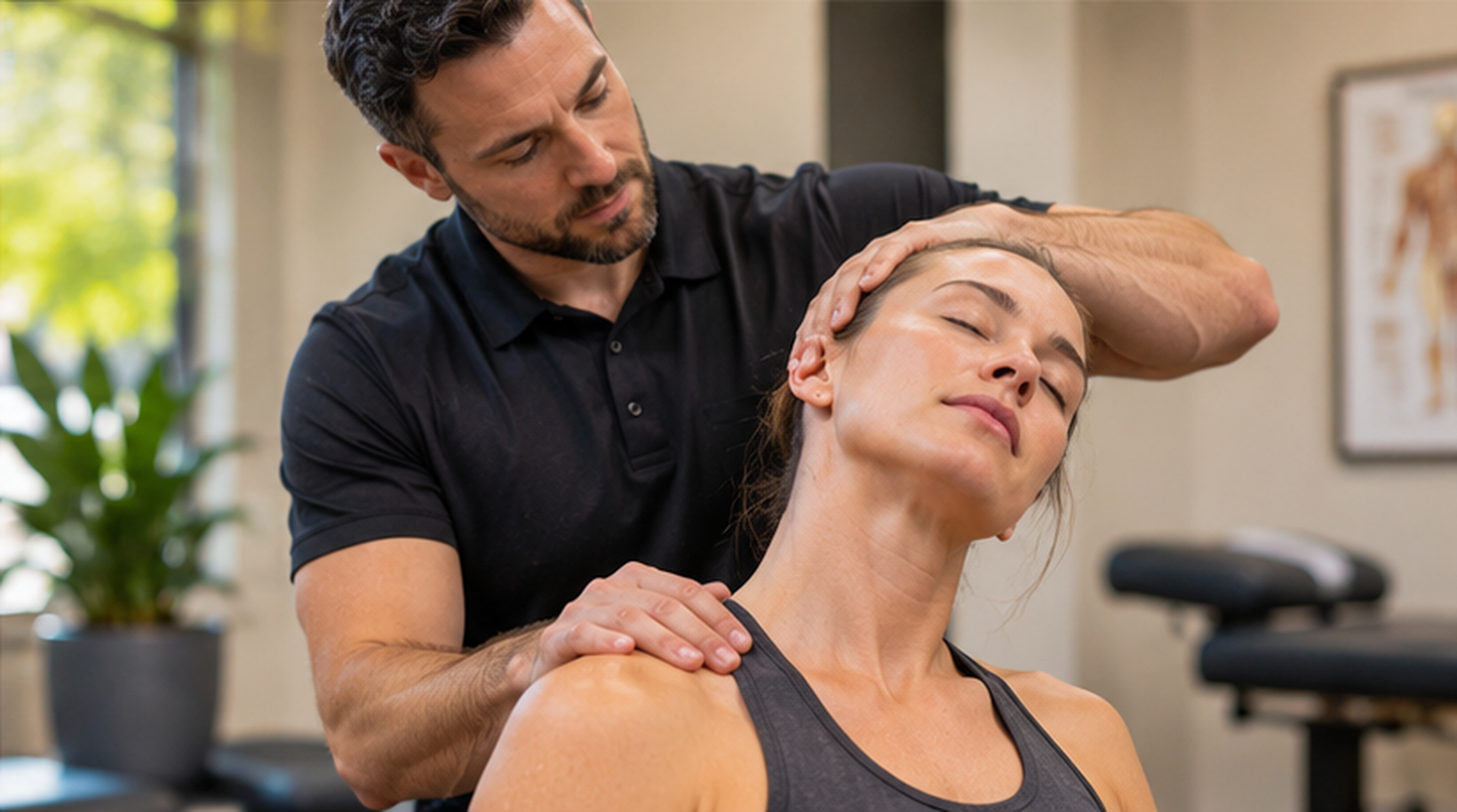
The therapist locates the tight, tender spot and applies steady, focused pressure. At first it may feel intense, and you might feel the pain refer elsewhere. As the area releases, the intensity usually fades. It is a strange but satisfying feeling when a knot finally lets go.
Myofascial Release
This technique uses slow, sustained pressure and gentle stretching on the fascia. Cleveland Clinic describes myofascial release therapy as gentle, constant pressure applied to trigger points until the tension releases, and notes that tight trigger points can restrict muscle and joint movement. In my experience, it feels less like a rubdown and more like the tissue slowly melting under steady hands.
Deep Tissue Work
Slower, firmer strokes reach deeper layers of muscle. This can help long-standing tightness, but it works best when you can stay relaxed. If you find yourself bracing, ask for less pressure.
Instrument-Assisted Soft Tissue Work
Some therapists use smooth-edged tools to target specific bands of tight tissue. It can feel like a firm scraping sensation and is often used on areas that are hard to reach precisely with fingers.
Gentle Stretching and Neck Mobilization
Once muscles relax, a therapist may guide your neck or shoulders through gentle movement to restore range of motion. This is often where people notice the biggest immediate difference: suddenly, turning your head feels easy again.
Relaxation Techniques
Long, flowing strokes at the beginning and end of a session help calm your nervous system. That matters, because a calmer body releases tension more readily.
What a Session Focused on Tension Feels Like
If you book manual therapy in Albuquerque for knots and headaches, here is roughly what to expect.
Intake. You will answer questions about your symptoms, when your headaches happen, your work setup, your stress levels and your health history.
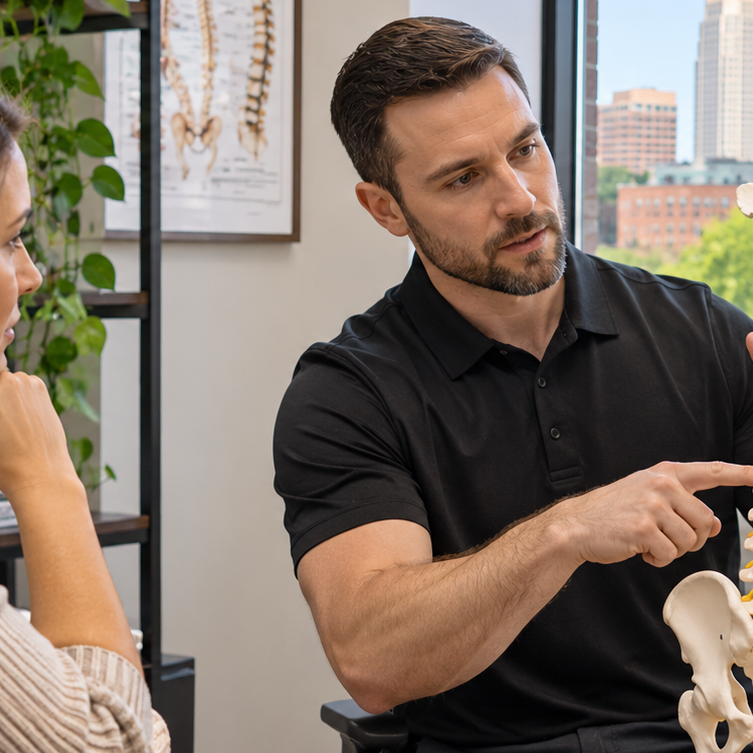
Assessment. Your therapist will check your posture and how your neck and shoulders move, then feel for tight bands and tender points.
Treatment. Most of the session will likely focus on your neck, shoulders, upper back and the base of your skull. You might be face down, face up or on your side.
Communication. You will be asked about pressure and comfort. Speak up. "That spot sends pain to my temple" is incredibly useful information.
Aftercare. You may get a stretch or two, advice on hydration, and maybe a suggestion to look at your desk setup.
Many people feel looser and lighter right after. Some notice mild soreness the next day, which usually fades quickly.
Why Relief Sometimes Fades, and How to Make It Last
Here is something I learned the hard way. One great session can feel amazing, and then a week later the knots are back. That is not because the session failed. It is because the habits that created the knots are still there.
To make relief from manual therapy in Albuquerque last, you need to address the "why" behind the tension. Here is what has made the biggest difference for me.
Strengthen What Supports You
Tight upper shoulders are often working overtime because the muscles that should be holding you up, like the deep neck flexors and the muscles between your shoulder blades, are weak. A structured program of spinal rehabilitation exercises for posture and strength can help those supporting muscles do their job so the overworked ones can finally rest.
Fix Your Screen Setup
- Raise your monitor so the top is at or slightly below eye level.
- Keep your keyboard and mouse close so your shoulders stay relaxed.
- Use a laptop stand and a separate keyboard if you work on a laptop all day.
- Hold your phone up instead of dropping your head down to look at it.
Take Movement Breaks
Stand up every thirty minutes or so. Roll your shoulders, do a few chin tucks and look away from your screen. These tiny breaks prevent tension from building all day.
Breathe Low
Shallow chest breathing overworks neck muscles. A few times a day, place a hand on your belly and take slow breaths that make your hand rise. It sounds simple, but it is one of the most effective habits I know for neck tension.
Check Your Jaw
Notice if your teeth are touching during the day. At rest, they should usually be slightly apart with your tongue resting gently on the roof of your mouth. Jaw clenching feeds tension straight into the neck and temples.
Protect Your Sleep
Use a pillow that keeps your head level with your spine. Stomach sleeping often twists the neck for hours. And because poor sleep makes muscles tighter and pain feel worse, a consistent bedtime is part of the treatment.
Hydrate
Albuquerque's dry, high-altitude air pulls moisture out of you quickly. Keep water at your desk and drink before you feel thirsty.
Simple Self-Care for Knots Between Sessions
You can support your sessions at home. Just keep it gentle and stop if anything feels sharp.
Tennis ball release. Place a tennis ball between your upper back and a wall. Lean in gently and slowly roll until you find a tender spot. Hold light pressure for 30 to 60 seconds while breathing slowly.
Upper trap stretch. Sit tall, drop your right ear toward your right shoulder, and gently hold for 20 to 30 seconds. Switch sides.
Chin tucks. Gently glide your chin straight back, hold a few seconds, and release. Repeat ten times.
Doorway chest stretch. Place your forearms on a doorframe and lean gently forward to open your chest. Hold 20 to 30 seconds.
Warmth. A warm shower or heating pad on tight shoulders can help muscles relax before stretching.
Self-care helps, but it is not a replacement for skilled assessment, especially if your pain is not improving or is getting worse.
Mistakes I Made Trying to Fix Knots on My Own
Before I tried skilled care, I made just about every mistake possible. Maybe these will save you some time.
Pressing too hard. I used to dig my thumb into knots as hard as I could, thinking more pain meant more progress. It usually just made the area angrier and more guarded.
Only treating the sore spot. I focused on where it hurt and ignored the referred pain pattern. The real problem was often a few inches away.
Stretching cold muscles aggressively. Yanking on a tight neck first thing in the morning rarely helped. Gentle warmth and slow movement worked much better.
Ignoring the cause. I kept treating knots without fixing my monitor height, my phone posture or my stress habits. They kept coming back, of course.
Waiting too long. I let a tight spot linger for months. In my experience, tension that is addressed earlier tends to respond faster.
Learning from these mistakes is a big part of why I now think a combination of skilled hands-on care and better daily habits is the way to go.
Stress Habits That Help Your Sessions Last
Because stress is such a big driver of tension, I think it deserves a few habits of its own. These are simple, cheap and, in my experience, surprisingly effective alongside manual therapy in Albuquerque:
- A two-minute shoulder check. A few times a day, notice where your shoulders are. Drop them away from your ears and let your arms hang heavy for a few breaths.
- A real lunch break. Eating at your desk while answering emails keeps your body in work mode. Step away, even for fifteen minutes.
- An evening wind-down. Dim the lights, put the phone down, and do a few gentle stretches before bed.
- A daily walk. Albuquerque's sunshine makes this easy most of the year, and walking helps loosen the whole upper body.
None of these replace professional care, but they make the effects of each session last noticeably longer.
Who Should Be Careful With Manual Therapy
Manual therapy in Albuquerque is generally safe when done by a licensed therapist. Still, it may need to be adjusted or avoided if you:
- Take blood thinners or have a bleeding disorder
- Have a history of blood clots or deep vein thrombosis
- Have a fracture, open wound, burn or recent surgery in the area
- Have severe osteoporosis
- Have a fever or active infection
- Are being treated for cancer
Always share your full health history, and talk with your doctor if you are unsure.
How Manual Therapy Fits With Chiropractic Care for Tension
Muscle knots and stiff joints often show up together. When the joints in your neck or upper back are not moving well, the surrounding muscles tighten to protect them. And when muscles stay tight, they can keep pulling on those joints.
That is why many people get the best results from manual therapy in Albuquerque when it is paired with chiropractic care. The chiropractor addresses joint motion. The therapist releases the muscles. Then rehab exercises build strength so both stay in better shape. In my experience, that three-part approach beats any single piece on its own.
How Many Sessions for Knots and Headaches?
Every body responds differently to manual therapy in Albuquerque, but here is a general idea.
Occasional tension or a recent flare-up may improve with a few sessions plus home care.
Long-standing knots and frequent tension headaches usually need a series of sessions over several weeks, along with posture, strength and stress changes.
High-stress or physically demanding lifestyles may benefit from periodic maintenance visits. That is a personal choice, not a requirement.
You should notice progress within a reasonable time: fewer headaches, less tightness, easier movement or better sleep. If you do not, ask your provider to reassess.
Choosing a Therapist in Albuquerque for Tension and Knots
When I look for manual therapy in Albuquerque for this kind of problem, here is what matters most to me:
Licensed and trained. Ask about New Mexico licensing and experience with trigger point and myofascial techniques.
Assessment first. I want someone who asks about my headaches and checks how my neck moves.
Good communication. They should check in about pressure and explain what they are doing.
Coordinated care. A clinic where therapists and chiropractors work together can handle both muscles and joints.
Home advice. I want stretches and practical tips, not just time on the table.
Clear pricing. Session costs and payment options should be easy to understand.
Final Thoughts
Muscle knots and tension headaches have a way of becoming background noise. You stop noticing how tight your shoulders are until someone points it out, or until a headache steals another evening.
Manual therapy in Albuquerque offers a direct, hands-on way to release that tension, especially when it is combined with smarter posture, regular movement, low breathing and a little strength work. In my experience, the moment a stubborn knot finally lets go is a powerful reminder that your body is not stuck. It has just been holding on for a long time.
Give it a chance to let go.
Frequently Asked Questions
1. What causes muscle knots?
Muscle knots usually form from overuse, holding one position for too long, repetitive motions, stress, poor posture or poor sleep. They are common in the neck, shoulders, upper back and lower back.
2. Can manual therapy get rid of muscle knots?
Techniques like trigger point therapy and myofascial release can help tight spots release and ease pain. Knots may return if the habits causing them do not change, so posture and strength work matter too.
3. Can tight muscles really cause headaches?
Yes. Tight muscles and trigger points in the neck, shoulders and base of the skull can refer pain into the head and contribute to tension-type headaches.
4. Is trigger point therapy painful?
It can feel intense when pressure is applied to a tender spot, but it should not be severe or sharp. The discomfort usually eases as the area releases. Tell your therapist if pressure is too strong.
5. What is myofascial release?
Myofascial release is a technique that uses slow, sustained pressure and gentle stretching on the fascia, the connective tissue around your muscles, to ease tightness and improve movement.
6. How quickly will I feel relief from tension?
Many people feel looser right after a session. Lasting relief usually takes several sessions combined with home stretches, posture changes and stress management.
7. Can stress really make my shoulders tight?
Yes. Stress often causes you to lift your shoulders, clench your jaw and breathe shallowly. Over time, those habits keep neck and shoulder muscles contracted and sore.
8. Should I use heat or ice on muscle knots?
Gentle heat often helps tight muscles relax, especially before stretching. Ice is more commonly used for new injuries or swelling. Ask your provider what fits your situation.
9. When should I see a doctor for a headache instead?
See a doctor right away for a sudden severe headache, a headache with fever or stiff neck, or one with weakness, numbness, vision changes or trouble speaking.
10. Can I do anything at home between manual therapy sessions?
Yes. Gentle stretches, chin tucks, tennis ball release, regular movement breaks, belly breathing and a better screen setup can all help your sessions last longer.