

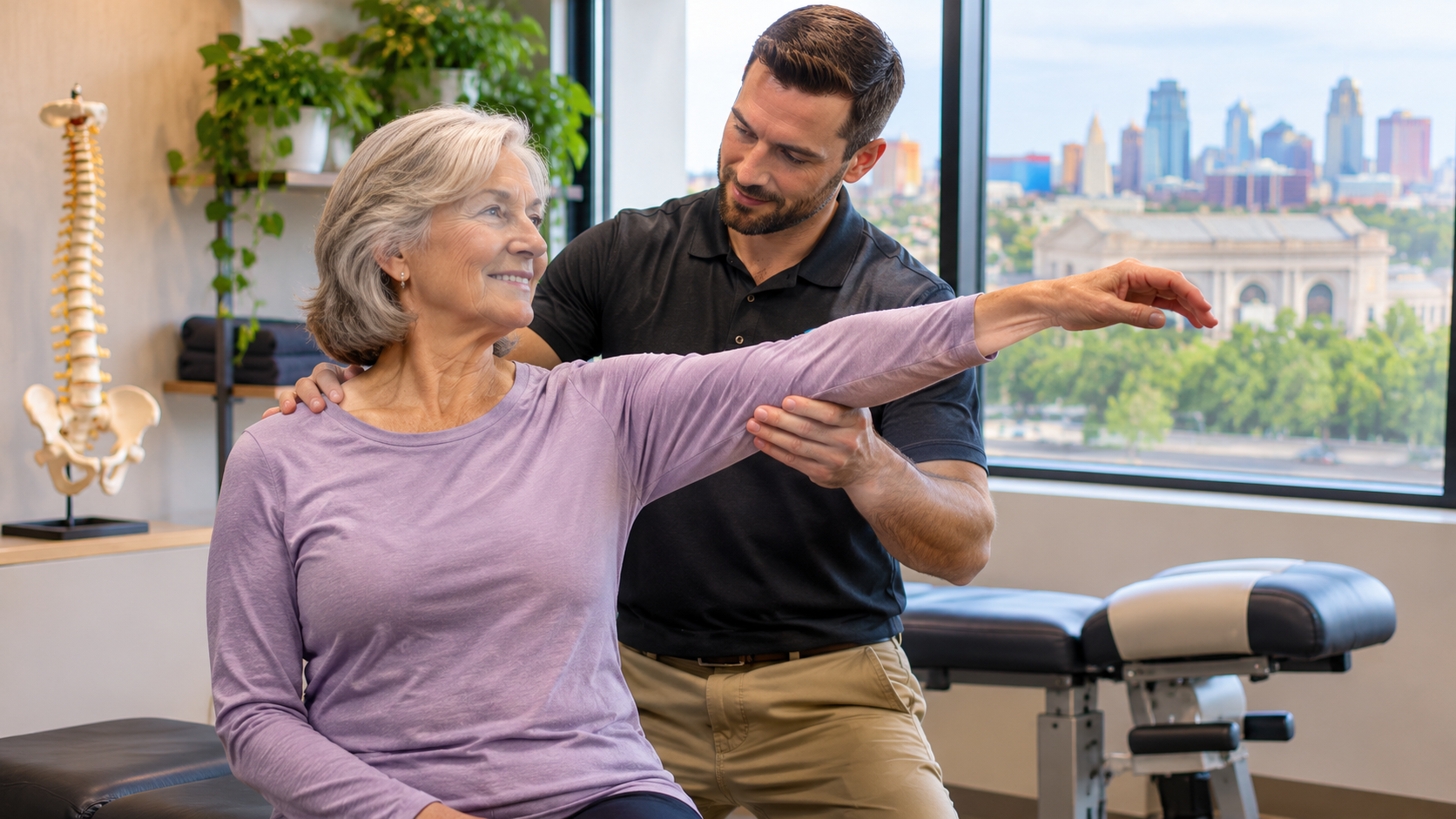
Senior Chiropractic Care in Kansas City and Fall Prevention: How to Stay Steady on Your Feet
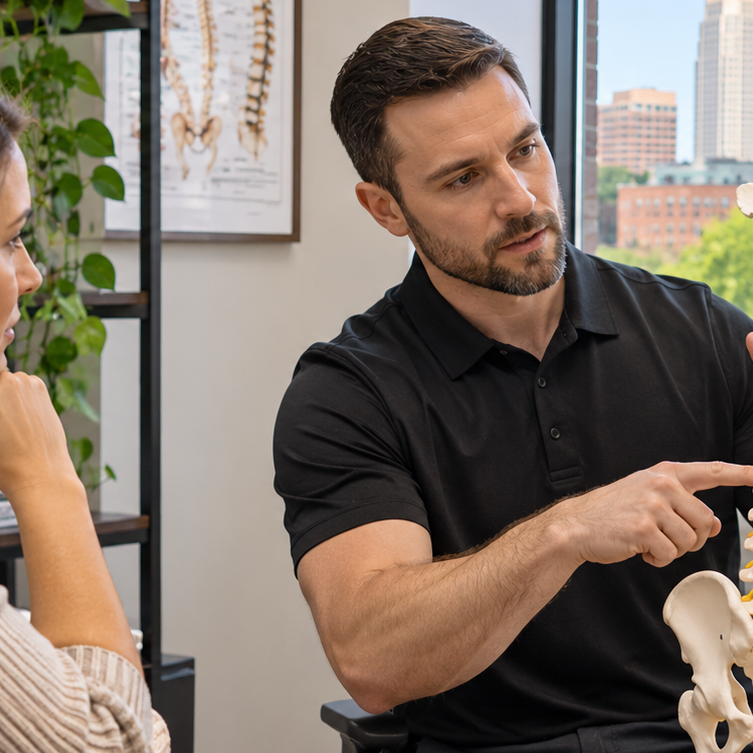
Senior chiropractic care in Kansas City can be one useful piece of a fall prevention plan for older adults. Gentle adjustments, soft tissue work and simple exercises may help with stiffness, joint pain and how freely the spine, hips and ankles move, which can make walking and turning feel easier. It works best alongside the things that matter most for falls: a medication review with your doctor, vision and hearing checks, strength and balance exercise and a safer home.
I wanted to write about this angle because falls come up again and again when families talk about aging parents. A grandparent who used to walk the dog every morning starts holding the railing a little tighter. Someone who was fine on the porch steps now takes them one at a time. Nobody says it out loud, but everyone is worried about the same thing.
If you're looking at local options, The Cause Chiropractic describes its gentle approach to senior chiropractic care in Kansas City for mobility, balance and joint pain. In this post, I'll explain where chiropractic fits, where it doesn't and what a complete plan to stay steady actually looks like.
Why falls matter so much after 65
Falls are one of the biggest threats to an older adult's independence. According to the CDC, more than one out of four older people falls each year, but less than half tell their doctor. The CDC also notes that falling once doubles your chances of falling again.
The consequences can be serious. The CDC reports that falls among adults 65 and older caused over 43,000 deaths in 2024, making falls the leading cause of injury death for that age group, and that emergency departments recorded about 4.5 million visits for older adult falls that same year. You can review the full numbers on the CDC's page of facts about older adult falls.
Those numbers aren't meant to scare anyone. They're a reason to take small warning signs seriously and build a plan early, while the person is still steady.
What causes falls in older adults
Falls rarely have just one cause. Usually several smaller things stack up:
- Muscle weakness, especially in the legs and hips
- Stiff joints in the ankles, knees, hips and spine that change how a person walks
- Balance changes from the inner ear, nerves in the feet or less activity overall
- Medications that cause dizziness, drowsiness or low blood pressure on standing
- Vision problems, including outdated glasses or cataracts
- Foot pain and poorly fitting shoes
- Home hazards like loose rugs, clutter, poor lighting and missing grab bars
- Fear of falling, which leads people to move less and get weaker
When I look at that list, I notice that only a couple of items are things a chiropractor works on directly: joint stiffness and pain that changes how someone moves. The rest belong to a doctor, an eye doctor, a physical therapist or a family member with a toolbox. That's why I always describe chiropractic as one piece of the plan.
Where senior chiropractic care fits
Senior chiropractic care is chiropractic care adapted for older adults, with gentler techniques and closer attention to bone health, medications and overall health history. For fall prevention, its main role is helping with the physical stiffness and pain that change how a person walks and moves.
Here's how that can help in practical terms:
- Ankle and foot mobility. Stiff ankles make it harder to clear a curb or recover from a small trip. Some chiropractors work on ankle and foot joints, not just the spine.
- Hip and low back movement. Pain and stiffness here shorten your stride and change your posture.
- Neck mobility. A stiff neck makes it harder to look down at steps or turn to check your surroundings.
- Pain relief that keeps people moving. When walking hurts less, people tend to walk more, and staying active is one of the best things for balance and strength.
- Posture coaching. Many chiropractors teach simple ways to sit, stand and get up from a chair more safely.
What it doesn't do
I want to be honest here, because some websites go too far. Chiropractic care doesn't fix inner ear problems, vision changes or medication side effects. Research on chiropractic care and fall rates in older adults is limited, so nobody should promise that adjustments alone will prevent falls. Its value is in easing stiffness and pain so a person can stay active and work on strength and balance.
Senior chiropractic care in Kansas City as part of a full fall prevention plan
The most effective plans combine several kinds of help. This is the version I'd want for my own parents.
1. Start with the doctor
Ask for a fall risk check at the next visit. Bring a list of every medication and supplement. Some medicines and combinations can cause dizziness or a drop in blood pressure when standing up, and a doctor may be able to adjust them. Mention any falls or near-falls, even ones that seemed minor.
2. Check vision and hearing
Update glasses, get cataracts checked and test hearing. Both affect balance and awareness of surroundings.
3. Build strength and balance
Strength and balance exercise is one of the most useful things an older adult can do. Options include tai chi, chair-based strength classes, walking groups and a physical therapist's home program. Many Kansas City community centers and senior centers offer classes.
4. Ease the stiffness and pain that hold you back
This is where a chiropractor can help. If stiff hips, a sore back or tight ankles keep someone from exercising or walking, gentle chiropractic care can make movement more comfortable.
5. Make the home safer
Small changes prevent a lot of falls. I cover these in detail below.
6. Review the plan regularly
Check in every few months. What's working? What's changed? Has there been a new fall or near-fall?
Simple balance exercises to try at home
With a doctor's or therapist's okay, these simple exercises are a good starting point. Always do them next to a sturdy counter or chair you can hold.
- Sit-to-stand: Stand up from a sturdy chair without using your hands, then sit back down slowly. Start with 5 and build up.
- Heel raises: Hold the counter and rise up onto your toes, then lower slowly.
- Side leg raises: Hold the counter and lift one leg out to the side, keeping your body upright.
- Heel-to-toe standing: Stand with one foot directly in front of the other, holding the counter, for 10 to 30 seconds.
- Single-leg stand: Hold the counter and lift one foot slightly for a few seconds. Switch sides.
- Walking practice: Walk along a hallway with a hand near the wall, focusing on heel-first steps and an upright posture.
A chiropractor or physical therapist can tailor these to the person's ability and add more as strength improves.
Making a Kansas City home safer
Home changes are some of the easiest and cheapest ways to cut fall risk. Walk through the house with fresh eyes and look for these:
Floors and walkways
- Remove or tape down loose rugs
- Clear cords, shoes and clutter from walking paths
- Keep the most-used items within easy reach to avoid step stools
Stairs
- Install sturdy railings on both sides
- Add bright lighting at the top and bottom
- Mark step edges with contrasting tape
Bathroom
- Install grab bars by the toilet and in the shower
- Use non-slip mats or strips in the tub
- Consider a shower chair and a raised toilet seat
Lighting
- Add night-lights in hallways, bedrooms and bathrooms
- Place a lamp within reach of the bed
- Swap dim bulbs for brighter ones
Outside
- Keep porch steps and walkways clear and well lit
- Add a railing to front and back steps
Kansas City winters add another layer. Ice on driveways and church parking lots is a real hazard. Shoes with good grip, ice melt by the door and help with snow removal are worth arranging before the first storm.
Warning signs that deserve attention
Families often notice small changes before a fall happens. Pay attention if an older relative:
- Holds onto furniture or walls when walking through the house
- Walks more slowly or shuffles
- Has trouble getting up from a chair without using their arms
- Seems dizzy when standing up
- Avoids activities they used to enjoy because of fear of falling
- Has bruises they can't explain
- Has had a recent near-fall or slip
Any of these is a good reason to schedule a check with the doctor. Once medical causes are reviewed, senior chiropractic care in Kansas City can be part of the follow-up if stiffness and joint pain are part of the picture.
What a senior chiropractic visit looks like
For many older adults, the first visit is the biggest unknown. Here's what usually happens.
- Health history. The chiropractor asks about past injuries, surgeries, falls, bone density results, medications (especially blood thinners) and current symptoms.
- Movement check. They watch how you walk, sit, stand and turn, and check balance in a safe way.
- Exam. Posture, joint movement, muscle strength and reflexes.
- Plan. A clear explanation of findings, goals and how many visits to expect.
- Gentle treatment. Often low-force techniques, such as instrument-assisted adjustments, drop-table methods or gentle mobilization, rather than forceful twisting.
- Home program. A few exercises or habit changes to work on between visits.
The Cause Chiropractic, for example, says it uses gentle, low-force techniques for seniors and notes that chiropractic care can't reverse osteoporosis but can help manage associated pain. That kind of plain statement is what I'd look for in any office.
Safety comes first
Chiropractic care is generally considered safe when done by a licensed professional, and serious complications are rare. Still, older adults need careful screening. Mayo Clinic lists conditions where people shouldn't get a chiropractic adjustment, including severe osteoporosis, numbness or loss of strength in an arm or leg, cancer in the spine, an increased risk of stroke and a known bone abnormality in the upper neck.
That doesn't mean seniors with these conditions can't get any help. It means the chiropractor should use different, gentler methods or refer them elsewhere, and coordinate with their doctor.
After a fall: what to do next
If a fall does happen, the first step is always medical. Get checked by a doctor or urgent care, especially if there's pain, a head bump, dizziness or trouble walking. Hip, wrist and spine fractures are common after falls and need proper imaging.
Once fractures and other injuries are ruled out, many older adults deal with lingering soreness and stiffness. At that stage, gentle chiropractic care may help with recovery. Some injuries, especially after a car accident or another personal injury, need a more structured plan, and it's worth reading how one clinic approaches chiropractic care after auto accidents and personal injuries to understand what that kind of care involves.
Just as important is what happens emotionally. Many people become afraid of falling again and start moving less, which makes them weaker. A gentle plan that rebuilds confidence, with a chiropractor, physical therapist or both, can make a big difference.
Feet, shoes and walking aids
Feet are easy to overlook, but they're the base of balance. Sore feet, numb toes or the wrong shoes can throw off every step.
Shoes. Look for shoes with a firm heel, a thin non-slip sole and a secure fit with laces or straps. Avoid slippers without backs, worn-out sneakers and smooth leather soles. Many falls happen at home in loose slippers or socks on hard floors.
Foot care. Thick toenails, bunions, corns and foot pain all change how someone walks. A podiatrist can help, and some chiropractors also check how the foot and ankle joints move.
Walking aids. A cane or walker can make a big difference, but only if it's the right height and the person knows how to use it. A physical therapist can fit it properly. Many people resist walking aids because they feel like a sign of decline. It helps to frame them as tools that keep someone out walking, shopping and visiting friends for longer.
How Kansas City seasons change fall risk
Each season brings its own hazards, and planning ahead helps.
Winter. Ice, snow and early darkness are the biggest risks. Spread ice melt before storms, keep a bag of it by the door and arrange help with shoveling. Shoes or boots with good grip and ice cleats for walks can help. Short daylight hours mean more walking in low light, so add outdoor lighting by the driveway and porch.
Spring. Wet leaves and spring rain make steps and decks slick. Yard work starts again, and many older adults overdo it on the first warm weekend. Encourage shorter gardening sessions and a stool or kneeling pad instead of bending for long stretches.
Summer. Heat and dehydration can cause dizziness. Plan walks for early morning, keep water handy and watch for lightheadedness, especially for anyone on blood pressure medication.
Fall. Leaves on walkways hide uneven ground and get slippery when wet. It's also a good time for a yearly check: update glasses, review medications before winter and walk through the house to fix new hazards.
Building senior chiropractic care in Kansas City around these seasons can help too. Some older adults like a check-in before winter, when stiffness tends to increase and icy conditions make good movement more important.
How to talk with a parent about fall risk
This conversation can be tricky. Many older adults hear "fall prevention" as "you're getting old," and they push back. A few approaches tend to go better:
- Lead with their goals. "You want to keep gardening and driving to church. Let's make sure your legs and balance stay strong for that."
- Ask, don't tell. "Have you noticed anything feeling less steady lately?" often opens the door.
- Share the CDC fact gently. Knowing that more than one in four older adults falls each year can make it feel normal to plan ahead, not embarrassing.
- Start small. A night-light and a grab bar are easier to accept than a full home overhaul.
- Offer to go along. Coming to a doctor's or chiropractor's appointment shows support, not supervision.
Respecting their independence is the whole point. The goal is to help them keep it.
Tracking progress over time
It's hard to tell whether balance is improving without something to measure. A few simple checks, done the same way every month, can help:
- How many times can they stand up from a chair without using their hands in 30 seconds?
- How long can they stand heel-to-toe while holding the counter lightly?
- How far can they walk comfortably before needing a rest?
- How often do they report feeling unsteady?
Write the results down and bring them to doctor, physical therapy or chiropractic visits. Numbers make it easier to see what's working and adjust the plan. If your parent is trying senior chiropractic care in Kansas City, these same numbers help the chiropractor decide whether to continue, change the approach or refer them to a physical therapist instead.
Choosing the right chiropractor for an older adult
Not every chiropractor has the same experience with older patients. When you call an office, these questions help:
- How often do you work with patients over 65?
- What low-force techniques do you use?
- How do you screen for osteoporosis, blood thinners and stroke risk?
- Do you check balance and walking, or only the spine?
- Do you coordinate with primary care doctors and physical therapists?
- Do you accept Medicare, and what does it cover?
On insurance, Medicare Part B covers some chiropractic care, specifically adjustments of the spine to correct a subluxation, and doesn't cover other services a chiropractor orders, like X-rays or massage. The Cause Chiropractic lists Medicare, BCBS, Aetna and Ambetter on its website, along with self-pay. Always confirm coverage before the first visit.
Location matters too. For older adults in the Northland near Barry Road, Gladstone or Liberty, a nearby office with easy parking and a ground-level entrance makes regular visits far more realistic.
How families can help
Adult children and grandchildren play a big role in fall prevention. Some practical ways to help:
- Go to the first chiropractic or doctor visit together
- Help write down medications and health history
- Do a home safety walk-through and fix what you find
- Join in on balance exercises or a weekly walk
- Arrange rides so appointments don't get skipped
- Check in after any near-fall, without making it a big deal
When a family supports the whole plan, chiropractic care becomes one steady part of a routine rather than a one-off visit. Most older adults want to stay independent. Framing all of this as a way to keep doing what they love, like gardening, church, walks or babysitting grandkids, makes it feel like support instead of supervision.
My final take
Falls are common after 65, but many of them can be prevented. The best plans combine a doctor's review, strength and balance work, a safer home and attention to the stiffness and pain that change how someone moves.
Senior chiropractic care in Kansas City can be a helpful part of that plan, especially for older adults whose stiff hips, back or ankles keep them from staying active. Choose a chiropractor who uses gentle techniques, screens carefully, works with your doctor and talks honestly about what chiropractic can and can't do. Then keep the whole plan going, one small step at a time.
Frequently Asked Questions
1. Can chiropractic care help prevent falls in seniors?
Chiropractic care may help by easing stiffness and joint pain that change how an older adult walks and moves, which can make staying active easier. Research on chiropractic and fall rates is limited, so it works best alongside a medication review, vision checks, strength and balance exercise and home safety changes.
2. How common are falls among older adults?
According to the CDC, more than one out of four adults 65 and older falls each year, and less than half tell their doctor. Falling once doubles the chance of falling again. Falls are the leading cause of injury death for adults 65 and older.
3. Is chiropractic care safe for older adults?
Chiropractic care is generally safe for many older adults when done by a licensed chiropractor using gentle techniques. People with severe osteoporosis, spinal cancer, a higher stroke risk, a known upper neck bone problem or new numbness or weakness shouldn't receive standard adjustments and need careful screening first.
4. What techniques do chiropractors use for seniors?
Chiropractors often use low-force methods for seniors, such as instrument-assisted adjustments, drop-table techniques, gentle mobilization, stretching and soft tissue work. These avoid forceful twisting and are easier on aging joints and bones. The chiropractor should choose techniques based on each person's health history.
5. Does Medicare cover chiropractic care?
Medicare Part B covers adjustments of the spine by a chiropractor to correct a subluxation. After the Part B deductible, you usually pay 20% of the Medicare-approved amount. Medicare doesn't cover other services a chiropractor orders, such as X-rays, massage therapy or acupuncture.
6. What are the warning signs that a senior may fall?
Warning signs include holding onto furniture to walk, shuffling or walking more slowly, trouble rising from a chair, dizziness when standing, unexplained bruises and avoiding activities because of fear of falling. Any of these is a good reason to schedule a check with the doctor.
7. What balance exercises are safe for seniors?
With a doctor's okay, simple exercises like sit-to-stand from a chair, heel raises, side leg raises and heel-to-toe standing are good starting points. Always do them next to a sturdy counter or chair. Tai chi and supervised strength classes are other good options.
8. Should a senior see a chiropractor after a fall?
After a fall, get checked by a doctor first to rule out fractures, head injury or other problems. Once serious injuries are ruled out, gentle chiropractic care may help with lingering soreness and stiffness. A physical therapist can also help rebuild strength and confidence.
9. How can families make a home safer for older adults?
Remove loose rugs, clear walkways, add bright lighting and night-lights, install grab bars in the bathroom and put railings on both sides of stairs. Non-slip mats, a shower chair and keeping common items within easy reach also help reduce fall risk.
10. How often should seniors see a chiropractor?
Visit frequency depends on the person's health, symptoms and goals. Some seniors come in for a short series of visits during a flare-up, while others prefer periodic check-ins. A good chiropractor sets a clear plan, reassesses progress and adjusts or stops care based on how the person feels.