

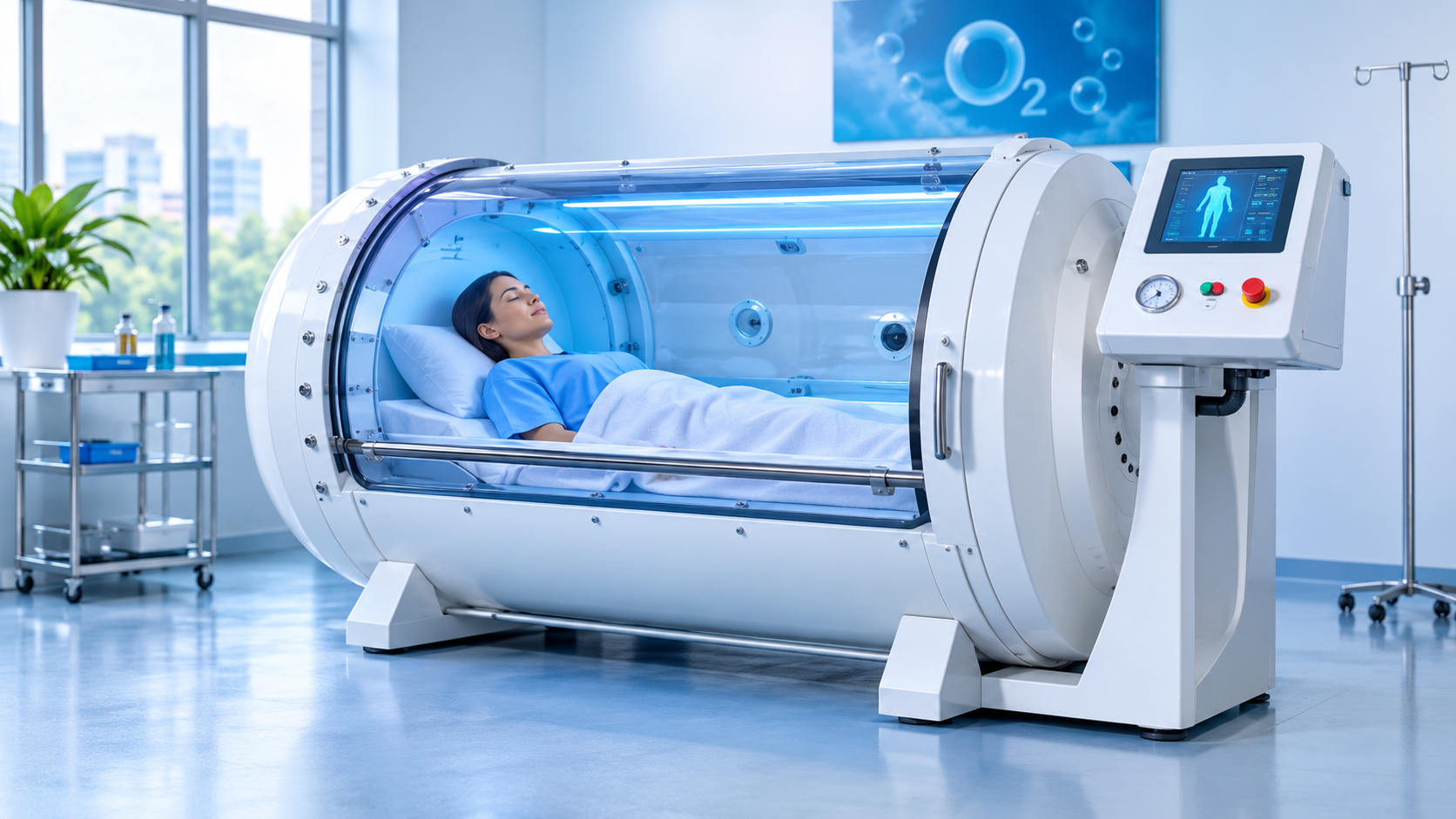
How Hyperbaric Oxygen Chambers Improve Hospital Treatment Workflows
Modern hospitals require specialised medical equipment to manage complex treatment procedures. As healthcare facilities expand their advanced treatment departments, efficient patient management becomes increasingly important.
A Hyperbaric Oxygen Chamber allows healthcare professionals to administer oxygen therapy in a controlled, pressurised environment. Integrating this equipment into hospital infrastructure requires coordination between clinical departments, biomedical engineers and facility managers.
From patient scheduling to equipment monitoring, a structured hyperbaric treatment workflow can help hospitals improve operational efficiency and maintain continuity of care.
Understanding Hyperbaric Treatment Workflows
Hyperbaric oxygen therapy (HBOT) involves multiple stages of clinical and operational preparation. Medical professionals assess patient eligibility before prescribing treatment. Trained operators then prepare the equipment and monitor the session.
Each stage requires coordination between different hospital departments. Establishing a standardised workflow helps healthcare teams manage their responsibilities and maintain accurate treatment records.
How Hyperbaric Chambers Support Hospital Operations
1. Streamlined Patient Scheduling
Hyperbaric treatments may involve multiple sessions over several weeks. Hospitals must organise appointments according to clinical requirements, equipment availability and staffing capacity.
A structured scheduling system allows healthcare teams to allocate treatment slots efficiently. It also helps departments coordinate outpatient appointments and inpatient referrals without unnecessary scheduling conflicts.
Hospitals can use digital appointment systems to maintain visibility of upcoming treatment sessions.
2. Better Coordination Between Medical Departments
Hyperbaric medicine often involves wound care specialists, surgeons, emergency physicians and other healthcare professionals.
When working with Hyperbaric Oxygen Chamber Manufacturers, hospitals should discuss equipment requirements based on the departments expected to use the facility.
Clear referral pathways allow medical teams to share patient information, review treatment eligibility and coordinate follow-up assessments.
3. Consistent Treatment Monitoring
Accurate monitoring is essential throughout hyperbaric treatment. Operators need to observe equipment parameters and maintain communication with patients.
Depending on their configuration, modern chambers may feature digital pressure displays, communication systems and automated controls.
These features support operational monitoring and documentation. However, trained medical supervision remains essential regardless of the equipment's automation level.
4. Improved Utilisation of Hospital Infrastructure
Hospitals must make effective use of available clinical space. A dedicated hyperbaric department should accommodate equipment, patient preparation areas and staff workstations.
Proper infrastructure planning also considers emergency access, ventilation and utility connections.
A well-organised treatment area can simplify patient movement and reduce unnecessary operational interruptions.
Role of Hyperbaric Chambers in Different Hospital Departments
|
Hospital Department |
Potential Application |
|---|---|
|
Wound care |
Selected complex and non-healing wounds |
|
Emergency medicine |
Certain oxygen-related medical emergencies |
|
Oncology |
Delayed radiation tissue injuries |
|
Plastic surgery |
Selected compromised grafts and flaps |
|
Infectious disease |
Adjunctive care for certain serious infections |
|
Hyperbaric medicine |
Specialised oxygen therapy programmes |
Treatment suitability depends on established clinical indications and individual patient assessment.
Managing Patient Preparation and Treatment Records
Patient preparation is an important part of hyperbaric care. Healthcare professionals need to review medical history, treatment prescriptions and relevant safety considerations.
Hospitals should establish standard procedures for patient screening, consent and preparation.
Maintaining detailed records of treatment sessions also helps clinicians evaluate patient progress. Accurate documentation supports communication between referring physicians and hyperbaric specialists.
Importance of Equipment Reliability in Clinical Workflows
Unexpected equipment downtime can disrupt scheduled treatment programmes. Hospitals should therefore establish preventive maintenance procedures and regular equipment inspections.
Reliable Hyperbaric Oxygen Chamber Suppliers can assist procurement teams with technical documentation, installation planning and equipment support.
Before purchasing equipment, hospitals should review service response times, warranty coverage and spare parts availability.
A structured maintenance programme helps healthcare facilities manage operational interruptions more effectively.
How Digital Controls Support Hyperbaric Departments
Digital control systems can simplify the monitoring of treatment parameters. Depending on the model, these systems may provide pressure readings, session timers and operational alerts.
Hospitals can use recorded equipment information to support maintenance planning and treatment documentation.
However, digital automation should complement clinical expertise rather than replace trained operators. Healthcare facilities must establish clear responsibilities for equipment operation, emergency response and patient observation.
Key Considerations for Establishing an HBOT Department
|
Consideration |
Operational Importance |
|---|---|
|
Patient capacity |
Supports appointment planning |
|
Staff training |
Promotes appropriate equipment operation |
|
Infrastructure |
Supports installation and accessibility |
|
Maintenance planning |
Helps manage equipment downtime |
|
Treatment documentation |
Supports continuity of care |
|
Emergency preparedness |
Supports patient and staff safety |
Hospitals should evaluate these factors during the early stages of project development.
Why Manufacturer Support Matters
Establishing a hyperbaric treatment department requires technical knowledge and careful project coordination. Experienced Hyperbaric Oxygen Chamber Manufacturers in India can help healthcare institutions evaluate equipment configurations and infrastructure requirements.
Airox Technologies provides hyperbaric chamber solutions for healthcare applications. Hospitals can discuss their operational requirements and equipment specifications to identify an appropriate solution.
Conclusion
Hyperbaric chambers provide specialised treatment capabilities for healthcare institutions. Their successful integration depends on effective patient scheduling, clinical coordination, equipment maintenance and trained personnel.
By developing structured workflows, hospitals can improve equipment utilisation and support the consistent delivery of medically supervised hyperbaric care.
Frequently Asked Questions
1. How do hyperbaric chambers support hospital workflows?
They allow hospitals to provide specialised oxygen therapy within a dedicated treatment environment supported by established clinical procedures.
2. Can multiple hospital departments use hyperbaric equipment?
Yes. Different departments may refer eligible patients to a dedicated hyperbaric medicine facility.
3. Why is patient scheduling important for HBOT?
Structured scheduling helps hospitals manage recurring treatment sessions, equipment availability and clinical staffing.
4. Do hyperbaric chambers require trained operators?
Yes. Appropriately trained personnel are essential for equipment operation, patient monitoring and emergency preparedness.
5. How can hospitals reduce hyperbaric equipment downtime?
Regular inspections, preventive maintenance and reliable technical support can help minimise unexpected operational interruptions.