


Arthritis Pain Relief in Celina, TX: Why Your Spine Feels Stiffer Every Morning
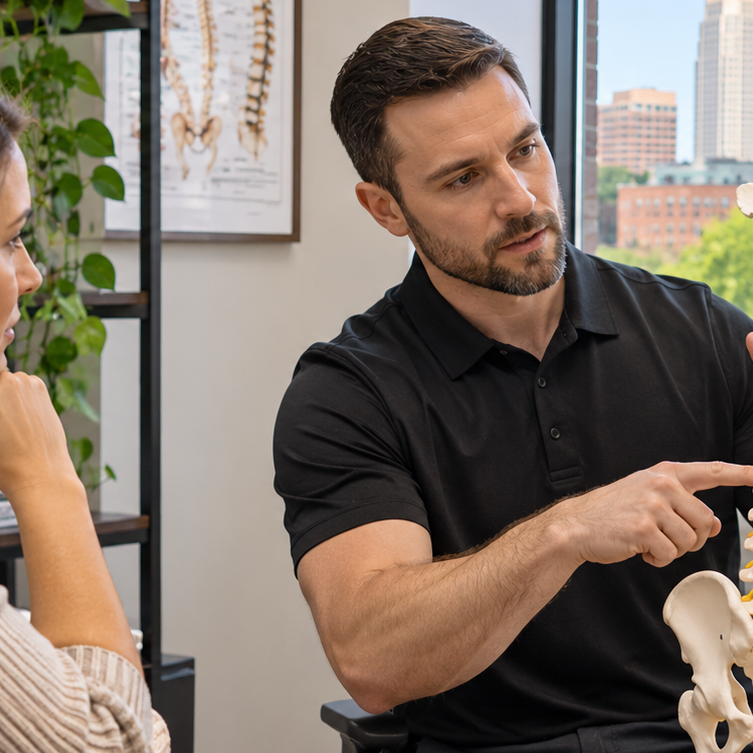
If you wake up feeling like your neck and back have been glued in place overnight, and it takes a hot shower and twenty minutes of moving around before you feel normal, you are not alone. Morning stiffness is one of the most common things people with spinal arthritis describe. The joints of your spine have been still for hours, the fluid that keeps them moving smoothly has settled, and the first few movements of the day feel slow and creaky.
I want to explain what is actually happening in an arthritic spine, why it tends to feel worst in the morning and after long periods of sitting, and what you can realistically do about it. I will also share what I think good arthritis pain relief in Celina should look like, so you can make informed choices instead of just putting up with stiffness as part of getting older.
What Is Spinal Arthritis?
Spinal arthritis is wear or inflammation in the joints of the spine, most often in the neck and lower back. The most common form is osteoarthritis, which happens when the smooth cartilage that cushions joint surfaces gradually thins and the joint becomes less forgiving.
Your spine is not one long bone. It is a stack of 24 movable bones called vertebrae, connected by discs in the front and small paired joints in the back called facet joints. These facet joints guide and limit how your spine bends and twists. Like your knees or hips, they are lined with cartilage and surrounded by a capsule of fluid. When that cartilage wears down, the joint can become stiff, sore and sometimes inflamed.
Arthritis is not one single disease. According to Cleveland Clinic's overview of arthritis types and symptoms, there are more than 100 different types of arthritis, and osteoarthritis is the most common. Cleveland Clinic also notes that studies have found around half of all adults will develop osteoarthritis at some point, and that experts estimate more than one-third of Americans have some degree of arthritis in their joints.
Those numbers tell me something important: spinal arthritis is common, but common does not mean you have to accept constant pain and stiffness.
Why Spinal Arthritis Feels Worse in the Morning
Morning stiffness in an arthritic spine usually comes down to a few simple factors.
Joints Need Movement to Stay Lubricated
Joint fluid works a bit like oil in an engine. Movement helps spread it across the joint surfaces. When you lie still for seven or eight hours, there is less movement circulating that fluid, so the first movements of the day feel rough until things warm up.
Muscles Tighten to Protect Sore Joints
When a joint is irritated, the muscles around it tend to tighten up to guard it. Overnight, without the gentle movement of the day, that guarding can increase, leaving your neck or back feeling locked.
Sleep Position Adds Load
A pillow that is too high, a mattress that sags, or sleeping on your stomach can hold your spine in an awkward position for hours. Arthritic joints are less tolerant of those positions, so you wake up feeling the effects.
How Long Should Morning Stiffness Last?
With osteoarthritis, morning stiffness usually eases within about 30 minutes once you start moving. Stiffness that lasts for an hour or more, especially with swelling in several joints such as the hands, wrists or feet, can point to an inflammatory type of arthritis such as rheumatoid arthritis. That pattern needs a medical evaluation, because inflammatory arthritis is managed very differently.
Common Signs of Arthritis in the Neck and Back
Spinal arthritis often develops gradually, and many people only start looking for arthritis pain relief in Celina once several of these signs have been around for months. These are the signs I see described most often:
- Stiffness that is worst in the morning or after sitting for a long time, and eases with movement.
- Aching pain in the neck or lower back that gets worse with long periods of standing or sitting.
- Reduced range of motion, such as trouble turning your head to check your blind spot or bending to tie your shoes.
- A grinding or clicking feeling when you move your neck.
- Pain that spreads into the shoulders, between the shoulder blades, or into the buttocks.
- Headaches that start at the base of the skull, which can be linked to stiffness in the upper neck.
- Tingling or numbness in the arms or legs, which can happen if bony changes crowd the spaces where nerves exit the spine.
The last point deserves attention. Nerve symptoms mean the problem is affecting more than just the joint, and they should be checked rather than managed on your own.
What Causes Arthritis in the Spine?
Spinal arthritis rarely has a single cause. It usually builds from a combination of factors over many years.
Age and Everyday Wear
Cartilage naturally changes with age. Cleveland Clinic notes that osteoarthritis generally affects adults older than 50, while rheumatoid arthritis usually develops between ages 30 and 60. Age alone does not decide how much pain you feel, though. Plenty of people have arthritic changes on imaging and very little discomfort.
Old Injuries
A car accident, a sports injury, or a bad fall years ago can change how a joint moves and wears over time. This is sometimes called post-traumatic arthritis. Many people are surprised when an old injury catches up with them a decade later, but joints have long memories.
Posture and Repetitive Strain
Long hours with your head forward over a screen, or work that involves repeated bending and lifting, can concentrate stress on certain spinal joints. Over time, the most loaded joints tend to show the most wear.
Inactivity
This one surprises people. Joints actually need regular movement to stay healthy. A sedentary routine weakens the muscles that support your spine and reduces the movement that keeps joints nourished.
Excess Body Weight
Extra weight increases the load on the lower back, hips and knees with every step. Even modest changes in weight can reduce the daily stress on arthritic joints.
Family History
Some people simply inherit a tendency toward joint problems. You cannot change your genes, but you can change many of the other factors on this list.
Neck Arthritis vs Lower Back Arthritis
Spinal arthritis behaves a little differently depending on where it shows up. Knowing the difference helps you describe your symptoms and choose the right habits.
Arthritis in the Neck
Neck arthritis, sometimes called cervical spondylosis, tends to cause stiffness when turning your head, aching at the base of the skull, and headaches that start at the back of the head. It is often worse after long periods of looking down at a phone or laptop. Because the nerves that serve your arms exit the neck, advanced changes can sometimes cause tingling or weakness in the arms and hands.
Arthritis in the Lower Back
Lower back arthritis, often called lumbar spondylosis, tends to cause stiffness when you first stand up, aching after long periods of standing or walking, and discomfort that can spread into the hips or buttocks. Some people find that leaning forward, such as on a shopping cart, eases the pain, because that position opens up space in the lower spine.
Arthritis in the Middle Back
The middle back is more protected by the ribcage, so arthritis there is often less noticeable. Still, stiffness in the middle back can make the neck and lower back work harder, which is why a full exam looks at the whole spine rather than just the painful spot. In my experience, any plan for arthritis pain relief in Celina that ignores the middle back is missing part of the picture.
How Spinal Arthritis Connects to Posture
Posture and spinal arthritis feed each other in a cycle that is worth understanding.
When your head drifts forward or your shoulders round, certain joints in your neck and upper back carry more load than they were designed for. Over the years, that extra load can speed up wear in those specific joints. Then, as those joints become stiff and sore, it gets harder to sit and stand tall, so posture gets worse. The cycle continues.
Breaking that cycle is one of the most practical goals of arthritis care. Improving how stiff joints move, strengthening the muscles that hold you upright, and fixing the daily habits that push you into poor positions all help reduce the load on the most irritated joints.
What a Chiropractic Approach to Spinal Arthritis Looks Like
A chiropractic approach to spinal arthritis focuses on improving how your spinal joints move, reducing stress on the most irritated areas, and supporting your body with exercise and lifestyle changes. It does not reverse arthritis, and anyone who promises that is overselling. The aim is better movement, less day-to-day discomfort, and more confidence in your body.
If you are looking for arthritis pain relief in Celina, TX, Independence Chiropractic describes its care for arthritis as a complementary, tailored approach that includes spinal adjustments, joint mobilization, decompression therapy for spinal arthritis, soft tissue therapy such as massage and trigger point work, and lifestyle and nutritional guidance.
Here is how I would expect a thorough plan to unfold.
A Careful History
A good first visit starts with questions. When did the stiffness begin? Is it worse in the morning or the evening? Have you had injuries? Do you have swelling in other joints? What does your workday look like? These answers help separate wear-related arthritis from other causes that need different care.
A Hands-On Exam
Expect checks of posture, spinal movement, muscle tension, strength, reflexes and sensation. If your symptoms suggest inflammatory arthritis, a nerve problem, or something outside the scope of chiropractic care, a responsible provider will tell you so.
Gentle, Adapted Techniques
Arthritic joints need a thoughtful approach. Many chiropractors use lower-force techniques, joint mobilization, or instrument-assisted adjustments for patients with arthritis. Decompression therapy may be used for some forms of spinal arthritis to gently reduce pressure on the spine.
Soft Tissue Work
Tight muscles around arthritic joints add to the stiffness. Massage and trigger point therapy can help those muscles relax so the joints move more freely.
Exercises and Home Care
The most important part of any arthritis plan happens outside the office. Stretches, strengthening exercises and posture changes keep the benefits going between visits.
What I Would Do at Home for Spinal Stiffness
These are the habits I would start with. They are simple, cheap and, in my experience, they make a noticeable difference when done consistently. Whatever care you choose for arthritis pain relief in Celina, these daily steps are what keep the benefits going.
Start Moving Before You Get Out of Bed
Before you stand up, lie on your back and gently bring your knees side to side for a minute. Then pull one knee toward your chest, then the other. Turn your head slowly left and right. This wakes up the joints before they have to carry your full body weight.
Use Heat in the Morning
A warm shower or a heating pad on your neck or lower back for 15 to 20 minutes can help loosen stiff muscles and make the first hour of the day easier. Keep a cloth between the heating pad and your skin.
Try Cold After Activity
If your back aches after yard work or a long walk, a cold pack for 15 to 20 minutes can calm things down. Many people with arthritis find that heat helps stiffness and cold helps soreness after activity. Use whatever your body responds to best.
Fix Your Pillow and Mattress
Your pillow should keep your head level with your spine, not tipped up or sagging down. If your mattress has a dip where you sleep, it may be adding strain every night.
Break Up Long Sitting
Arthritic joints stiffen quickly when they stay still. Stand up and move every 30 to 45 minutes. Even a short walk to the kitchen helps.
Choose Low-Impact Movement
Walking, swimming, water aerobics and stationary cycling keep joints moving without heavy pounding. Celina has a growing network of parks and trails, and a regular walk is one of the best things you can do for an arthritic spine.
Strengthen Your Core and Upper Back
Strong muscles act like a support brace for your spine. Gentle core exercises such as pelvic tilts and bird dogs, along with upper back exercises like rows with a resistance band, help share the load.
How Diet and Weight Fit Into Spinal Arthritis
Food will not cure arthritis, but what you eat can support the rest of your plan. Many people with arthritis choose an eating pattern built around vegetables, fruits, whole grains, beans, nuts, olive oil and omega-3 rich foods such as salmon, walnuts and flaxseed, while cutting back on heavily processed foods and sugary drinks. Independence Chiropractic includes an anti-inflammatory diet among its tips for people dealing with arthritis.
Body weight matters too, especially for the lower back, hips and knees. Every extra pound adds load to joints that are already sensitive. You do not need dramatic changes. Steady, sustainable habits, such as regular walks and balanced meals, tend to work best over the long run. If you have other health conditions, talk with your primary healthcare provider before making big changes to your diet. I think of good nutrition as quiet support for arthritis pain relief in Celina rather than the main event.
How to Track Your Progress
Arthritis changes slowly, so it is easy to miss improvements. A simple weekly check-in helps you see what is working.
- Morning stiffness time: How many minutes until you feel loose?
- Range of motion: Can you turn your head farther to check your blind spot, or bend lower to put on socks?
- Activity tolerance: How long can you walk, stand or sit before discomfort starts?
- Sleep quality: Are you waking less often from stiffness?
- Flare frequency: Are bad days less common or less intense?
Write these down once a week. When you look back after a month or two, the trend is usually much clearer than it feels day to day. Bring these notes to any appointment, because they make your care far more focused.
Mistakes That Make Spinal Arthritis Worse
I see the same mistakes again and again. Avoiding them can save you a lot of unnecessary discomfort.
Resting Too Much
When joints hurt, the natural response is to stop moving. But too much rest makes arthritic joints stiffer and weakens the muscles that protect them. Gentle, regular movement is almost always better.
Doing Too Much on Good Days
On the flip side, many people with arthritis overdo it on a good day, then pay for it for the next three. Pacing your activities, spreading big jobs over several days, helps avoid those painful swings.
Ignoring Posture at the Desk
If you spend eight hours a day hunched over a low laptop, no amount of stretching in the evening will fully undo it. Raise your screen, support your lower back, and keep your feet flat.
Waiting for It to Get Bad
Arthritis tends to be easier to manage when you start early. Waiting until you can barely turn your head makes the path back longer.
When Spinal Stiffness Needs Medical Attention
Most spinal stiffness from arthritis is not an emergency. But some signs need prompt medical evaluation:
- Stiffness lasting more than an hour each morning, especially with swelling in several joints.
- Joints that are red, hot and swollen.
- Fever, unexplained weight loss, or night sweats with back or neck pain.
- Progressive weakness, numbness or tingling in the arms or legs.
- Trouble with balance, walking, or fine hand movements such as buttoning a shirt.
- Loss of bladder or bowel control, which needs emergency care right away.
- Severe pain after a fall, especially if you have osteoporosis.
These signs point to problems that need medical testing and care. Chiropractic care is not the right first step for any of them.
Living Well With Spinal Arthritis in Celina
Celina is a growing community with long commutes, home offices, youth sports schedules and plenty of weekend projects on new homes. Each of these can either support your spine or add strain to it. The commute can be a time to sit tall with good lower back support. The home office can be set up with a properly raised screen. Weekend yard work can be broken into shorter sessions.
When I think about what real arthritis pain relief in Celina looks like, it is not one dramatic fix. It is a combination of better joint movement, stronger supporting muscles, smarter daily habits and a plan you can actually stick to. The goal is to wake up feeling less like a rusty hinge and more like yourself.
If your stiffness also comes with lower back pain that spreads into your hips or legs, it helps to understand how lower back pain in Celina is evaluated, since spinal arthritis and back pain often travel together.
Building a Long-Term Plan for Arthritis Pain Relief in Celina
Arthritis is a long-term condition, so the plan needs to be sustainable. Here is the framework I keep coming back to:
- Get a clear picture. Know what type of arthritis you are dealing with and which joints are most involved.
- Restore and maintain movement. Gentle, regular motion keeps joints nourished and reduces stiffness.
- Build support. Core and upper back strength take pressure off irritated joints.
- Fix the daily setup. Your pillow, mattress, desk and car seat should all support a balanced spine.
- Manage flares smartly. Have a plan for bad days, such as heat, gentle movement and lighter activity, instead of stopping everything.
- Stay consistent. Small daily efforts outweigh occasional big ones.
Arthritis pain relief in Celina, TX is easier to find when you treat stiffness as a signal to act rather than something to endure. Your spine was built to move. With the right support, it usually can.
Frequently Asked Questions
What does arthritis in the spine feel like?
Spinal arthritis usually feels like stiffness and an aching pain in the neck or lower back, often worst in the morning or after sitting for a long time. Many people notice reduced range of motion, a grinding feeling when they turn their head, and pain that spreads into the shoulders or buttocks. Symptoms often ease with gentle movement.
Why is my back stiffest in the morning?
During sleep, your joints stay still for hours, so joint fluid circulates less and surrounding muscles tighten. The first movements of the day feel rough until the joints warm up. With osteoarthritis, this morning stiffness usually eases within about 30 minutes. Stiffness lasting more than an hour should be checked.
Can a chiropractor help with arthritis in the spine?
A chiropractor focuses on how spinal joints move and how posture affects them. For spinal osteoarthritis, care may include gentle adjustments, joint mobilization, decompression, soft tissue work and home exercises. The aim is better movement and less day-to-day discomfort. A thorough exam first checks whether chiropractic care suits your type of arthritis.
Is chiropractic care safe for people with arthritis?
Many chiropractors adapt their techniques for arthritic joints, using lower-force methods, joint mobilization or instrument-assisted adjustments. Safety depends on your type of arthritis, bone health and overall condition. Share your full health history, including osteoporosis or inflammatory arthritis, so care can be adjusted or redirected if needed.
Is heat or cold better for arthritis pain?
Many people find heat works best for morning stiffness and tight muscles, while cold helps calm soreness after activity. Use either for about 15 to 20 minutes with a cloth between the pack and your skin. Pay attention to how your body responds and use whichever brings more comfort.
Can exercise make arthritis worse?
Gentle, regular exercise usually helps arthritis rather than harming it. Movement keeps joints lubricated and strengthens the muscles that support them. Low-impact options such as walking, swimming and cycling are good choices. Pain that lasts more than a couple of hours after exercise is a sign to scale back intensity.
What is the best sleeping position for spinal arthritis?
Sleeping on your back with a pillow under your knees, or on your side with a pillow between your knees, tends to keep the spine in a balanced position. Choose a pillow that keeps your head level with your spine. Stomach sleeping twists the neck for hours and often increases stiffness.
Does arthritis in the spine cause nerve pain?
It can. Over time, bony changes from spinal arthritis can narrow the openings where nerves exit the spine. This may cause tingling, numbness, weakness or pain that travels into the arms or legs. Nerve symptoms should be evaluated promptly rather than managed on your own.
How do I know if my stiffness is osteoarthritis or rheumatoid arthritis?
Osteoarthritis stiffness usually lasts less than 30 minutes in the morning and affects specific joints, often the spine, knees or hips. Rheumatoid arthritis often causes longer morning stiffness, swelling in several joints on both sides of the body, and fatigue. Only a medical evaluation with testing can confirm the type.
When should I get my back or neck stiffness checked in Celina?
Get checked if stiffness lasts more than a few weeks, keeps getting worse, limits daily activities, or comes with tingling, numbness or weakness. Seek prompt medical care for red, hot, swollen joints, fever, unexplained weight loss, or loss of bladder or bowel control.