

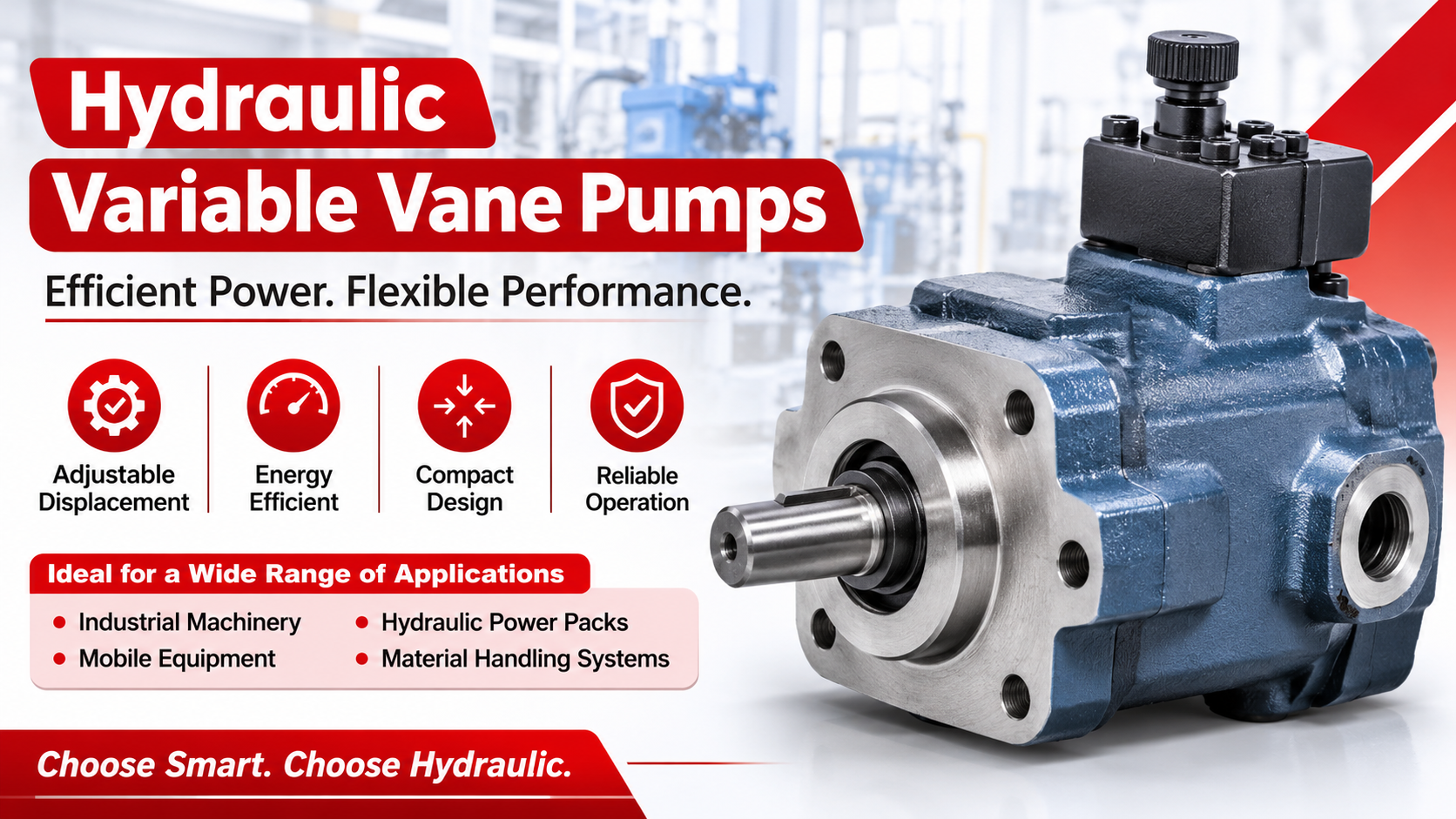
How Hydraulic Variable Vane Pumps Improve CNC Machine Performance
CNC machines play an important role in modern manufacturing. Industries depend on these machines for precision machining, metal cutting, drilling and component production. However, consistent machine performance also depends on the efficiency of the hydraulic system.
A Hydraulic Variable Vane Pump helps regulate hydraulic fluid delivery according to changing operating requirements. It supports various auxiliary hydraulic functions while helping reduce unnecessary energy consumption and heat generation.
From automotive component manufacturing to precision engineering, these pumps offer several practical advantages for suitable CNC machinery.
What Is the Role of Hydraulic Systems in CNC Machines?
Hydraulic systems perform several essential functions in CNC machining operations. They provide the fluid power required to operate mechanical components in a controlled manner.
Some common hydraulic functions include:
-
Workpiece clamping and unclamping
-
Automatic tool changing
-
Hydraulic chuck operation
-
Tailstock movement
-
Pallet changing
-
Auxiliary actuator movement
Each operation may require different flow rates and pressure levels. Variable displacement technology helps accommodate these changing requirements within the pump's operating limits.
How Do Hydraulic Variable Vane Pumps Work in CNC Machines?
A variable vane pump consists of a rotor, sliding vanes, a cam ring and inlet and outlet ports. As the rotor turns, the vanes create chambers that draw in and discharge hydraulic fluid.
In a pressure-compensated design, the pump adjusts displacement by changing the eccentricity between the rotor and cam ring.
When the machine requires less flow and system pressure reaches the compensator setting, the pump reduces its displacement. This helps limit unnecessary fluid circulation.
Experienced Hydraulic Variable Vane Pump Manufacturers offer different configurations to accommodate specific industrial operating requirements.
Key Benefits of Variable Vane Pumps in CNC Operations
1. Improved Energy Efficiency
CNC machines frequently alternate between active machining and standby operations. A suitable variable displacement pump can reduce output during periods of lower hydraulic demand, helping minimise energy losses compared with certain fixed-displacement systems.
2. Reduced Heat Generation
Excessive hydraulic fluid circulation and pressure losses can increase oil temperature. Variable displacement technology can help reduce avoidable heat generation, supporting better fluid condition and component performance.
3. Consistent Hydraulic Pressure
Stable hydraulic pressure is particularly important during workpiece clamping and chuck operation. A properly configured hydraulic circuit helps maintain the required holding force throughout machining.
4. Lower Operational Noise
Vane pumps are generally known for smooth fluid delivery and relatively quiet operation. These characteristics make them suitable for many indoor manufacturing environments.
5. Reduced Component Wear
Appropriate pressure settings, clean hydraulic oil and controlled operating temperatures can help minimise unnecessary stress on hydraulic components.
Industrial Applications of Variable Vane Pumps in CNC Machinery
Different manufacturing sectors use hydraulic pumps to support their machining and production requirements.
|
Industrial application |
Hydraulic function |
|---|---|
|
CNC turning machines |
Chuck and workpiece clamping |
|
CNC milling machines |
Clamping and auxiliary operations |
|
Automotive manufacturing |
Precision component production |
|
Metal fabrication |
Hydraulic fixture operation |
|
Machining centres |
Automatic tool changing |
|
Tool and die manufacturing |
Controlled workpiece positioning |
Reliable Hydraulic Variable Vane Pump Suppliers can help equipment manufacturers and maintenance teams identify suitable pump configurations based on their machinery requirements.
Fixed Displacement vs Variable Displacement Vane Pumps
Understanding the differences between these pumps helps industrial buyers make informed decisions.
|
Parameter |
Fixed displacement pump |
Variable displacement pump |
|---|---|---|
|
Displacement |
Constant |
Adjustable |
|
Flow output |
Depends primarily on speed |
Depends on speed and displacement |
|
Energy efficiency |
Application dependent |
Can be higher under varying demand |
|
Heat generation |
Potentially higher during bypass |
Can reduce avoidable heat |
|
Design complexity |
Relatively simple |
More complex |
|
Applications |
Constant flow requirements |
Changing hydraulic requirements |
Factors to Consider Before Selecting a Hydraulic Vane Pump
Industrial buyers should evaluate several technical parameters before purchasing a pump for CNC machinery.
-
Maximum operating pressure
-
Required hydraulic flow rate
-
Pump displacement capacity
-
Hydraulic fluid compatibility
-
Mounting dimensions
-
Operating temperature range
-
Machine duty cycle
Buyers should also evaluate spare parts availability, warranty conditions and technical assistance when approaching Hydraulic Variable Vane Pump Dealers. These factors can influence long-term maintenance costs and equipment availability.
Why Choose N.T. Associates for Hydraulic Variable Vane Pumps?
N.T. Associates & Trading Co. offers hydraulic pumping solutions for different industrial machinery and manufacturing applications.
The company focuses on compact pump designs, controlled fluid delivery and application-specific hydraulic requirements.
Businesses searching for Hydraulic Variable Vane Pump Manufacturers in India can explore the company's product range and discuss technical requirements before placing an order.
Conclusion
Variable displacement vane pumps play an important role in supporting efficient hydraulic operations in CNC machines. Their adjustable displacement, smooth fluid delivery and potential energy-saving benefits make them suitable for various precision manufacturing applications.
Selecting the right pump based on pressure, flow, fluid compatibility and machine requirements can help businesses improve hydraulic system reliability and maintain consistent production performance.
Frequently Asked Questions (FAQs)
1. Why are variable vane pumps used in CNC machines?
They support controlled hydraulic fluid delivery for operations such as workpiece clamping, chuck operation and automatic tool changing.
2. Can hydraulic vane pumps reduce energy consumption?
Yes. Properly selected variable displacement pumps can reduce unnecessary energy consumption by adjusting displacement during changing hydraulic demand.
3. Are variable vane pumps suitable for continuous industrial operations?
Yes, provided the pump's pressure, speed, temperature and duty-cycle ratings match the operating requirements.
4. What causes hydraulic vane pump failure?
Fluid contamination, cavitation, excessive operating temperatures, incorrect pressure settings and insufficient lubrication are common causes of pump failure.
5. How can I extend the lifespan of a hydraulic vane pump?
Maintain proper oil levels, replace filters as recommended, monitor operating temperatures and follow the manufacturer's maintenance instructions.