

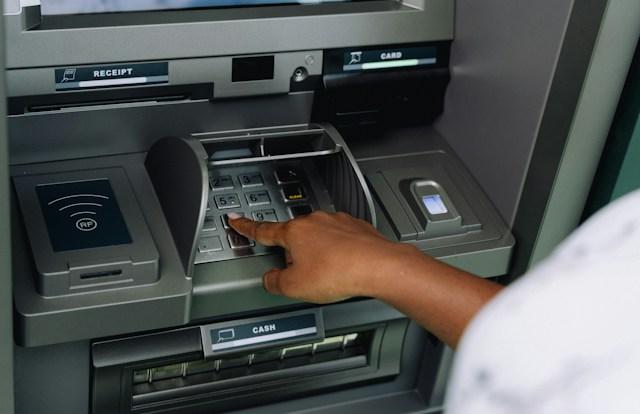

The US payments industry is evolving as consumers, businesses, and financial institutions adopt a wider range of transaction methods. Debit cards, credit cards, prepaid cards, mobile wallets, credit transfers, and cash continue to serve different payment needs across retail, e-commerce, and business environments. The expansion of digital commerce, changing consumer preferences, and ongoing technology development are influencing how payments are initiated, processed, and managed. This environment is encouraging payment providers to strengthen infrastructure, improve transaction experiences, and support secure, convenient payment options.
A comprehensive study by Markntel Advisor examines the US Cards and Payments Market over the 2025–2030 forecast period, covering card types, payment instruments, transaction categories, applications, and regional developments. The US cards and payments market outlook includes debit, prepaid, and credit cards, alongside mobile wallets, credit transfers, cash, and cheques. It also analyses business-to-business (B2B), business-to-consumer (B2C), consumer-to-consumer (C2C), and consumer-to-business (C2B) payments, providing a broad view of the country's changing payment ecosystem.
Cards Continue to Shape Consumer Transactions
Debit and credit cards remain central to everyday payments in the United States. Debit cards allow customers to make purchases using funds held in bank accounts, while credit cards provide access to a revolving credit facility. Prepaid cards offer another option, particularly for consumers and organisations seeking controlled spending arrangements. Each card category serves different financial needs and contributes to the diversity of the payment landscape.
The Federal Reserve's 2025 Diary of Consumer Payment Choice found that credit and debit cards accounted for 35% and 30% of consumer payments by number, respectively, in 2024. Cash represented another 14%, demonstrating that traditional payment methods continue to coexist with digital alternatives. These findings are available in the Federal Reserve's consumer payment choice research.
Mobile Wallets and Alternative Payment Instruments
Mobile wallets are becoming an important component of the US payment environment. These services allow users to make transactions through connected devices and digital applications, supporting both in-person and remote purchases. Their integration with e-commerce platforms and point-of-sale (POS) terminals is broadening the range of payment experiences available to consumers and merchants.
The wider payment ecosystem also includes credit transfers, cash, and cheques. While digital instruments are gaining visibility, cash continues to provide an alternative for consumers who prefer physical transactions or need a backup payment method. Credit transfers remain relevant for account-to-account transactions and business payments. The payment instrument and card category analysis covers these methods as part of the industry's broader structure.
E-Commerce and POS Transactions Drive Payment Diversity
Payment activity takes place across several transaction categories, including B2B, B2C, C2C, and C2B. Business-to-business payments support commercial transactions between organisations, while B2C payments connect companies with individual customers. C2C transactions facilitate transfers between individuals, and C2B payments cover purchases and payments made by consumers to businesses.
E-commerce payments and transactions at POS terminals are important parts of the C2B category. Online shopping requires payment systems that can support remote transactions, while physical retail depends on reliable terminals and payment acceptance infrastructure. Food and groceries, healthcare and pharmacies, travel and tourism, hospitality, and media and entertainment are among the application areas covered in the report.
Technology and Payment Infrastructure Development
Payment providers are investing in technology to improve transaction processing, system integration, and service reliability. The report's coverage of artificial intelligence and blockchain reflects the industry's interest in technology upgrades that may influence payment infrastructure and operational processes. Digital development also includes changes to mobile payments, POS terminals, ATMs, and alternative payment solutions.
The Federal Reserve's Payments Study provides additional context on the scale of this transition. Its 2025 study found that US consumers and businesses made 236.6 billion noncash payments in 2024, with cards accounting for more than three-quarters of payments by number. The Federal Reserve's national payment volume data tracks developments across cards, automated clearing house transfers, and cheques.
Regional and Competitive Landscape
The report examines the US market across the Northeast, Midwest, West, and South. Regional analysis considers payment activity, market development, and the distribution of industry participants. Differences in consumer behaviour, commercial activity, and payment infrastructure can influence the adoption and use of particular payment methods across these areas.
The competitive landscape includes financial institutions, payment platforms, and technology providers. Companies profiled in the report include Bank of America Corp., JPMorgan Chase & Co., Wells Fargo & Co., Morgan Stanley, Goldman Sachs Group, Charles Schwab Corp., Citigroup Inc., U.S. Bank, The PNC Financial Services Group, Capital One Financial, PayPal, and Apple Pay. The US payment industry segmentation and company coverage provides further detail on the participants and categories examined.
Outlook
The US cards and payments sector is expected to continue evolving as consumers and businesses use a broader combination of physical and digital payment methods. Developments in mobile wallets, e-commerce, POS infrastructure, instant payments, and emerging technologies will remain relevant to the industry's direction. Payment providers will need to address transaction security, system reliability, interoperability, and changing customer expectations while supporting the varied requirements of consumers, merchants, and financial institutions.