

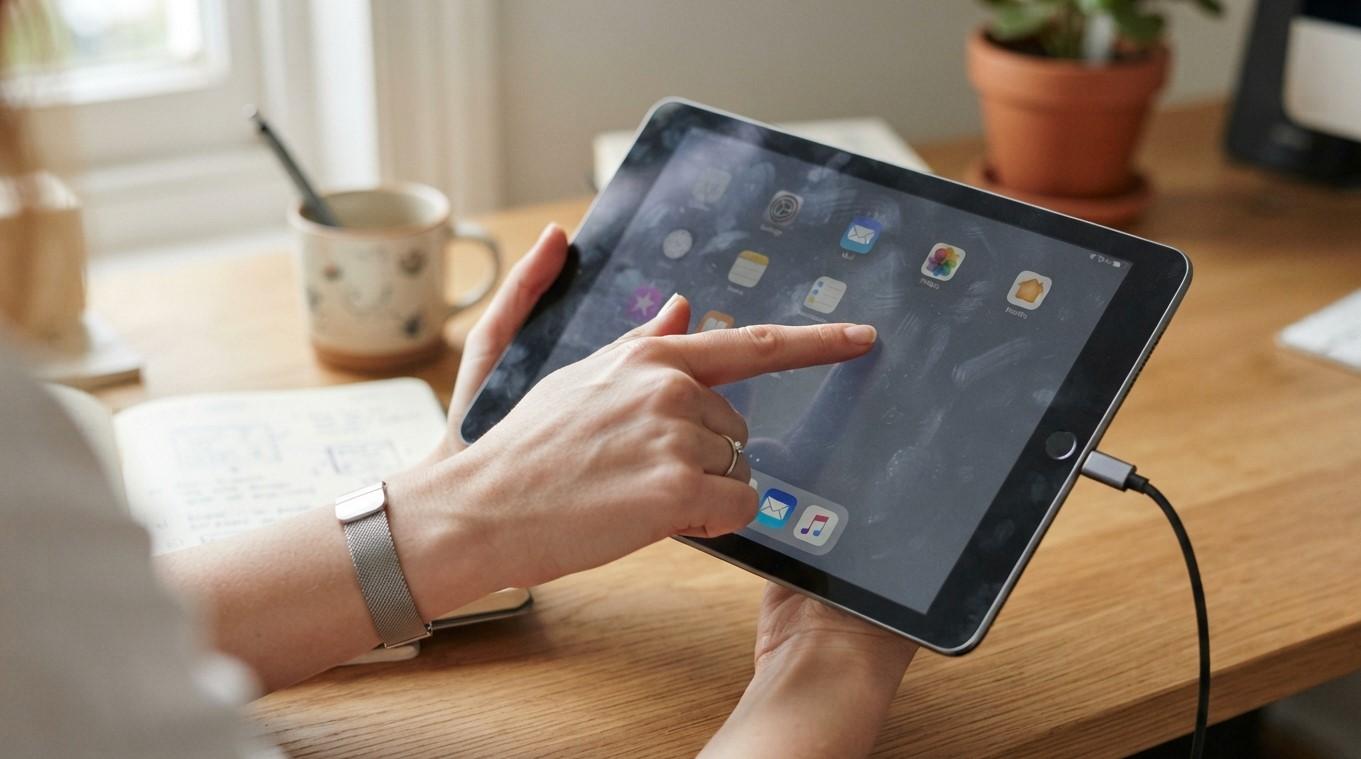

A tablet with a slow or unresponsive touchscreen can make everyday activities frustrating. You may notice delayed responses when tapping icons, scrolling through pages, typing messages, or opening applications. This problem can result from software glitches, screen damage, low storage, or other device issues. Mobile Device Techs shares practical troubleshooting tips and device-care advice to help users understand common technology problems. Whether you are experiencing touchscreen issues or researching phone repair Douglasville, you can visit Mobile Device Techs for helpful information about maintaining your electronic devices.
Table of Contents
-
Common Causes of Slow Tablet Touchscreen Response
-
Effective Solutions to Improve Touchscreen Performance
-
When to Seek Professional Repair
-
Frequently Asked Questions
-
Conclusion and CTA
1. Common Causes of Slow Tablet Touchscreen Response
Understanding what causes touchscreen delays can help you identify the right solution.
Screen Dirt and Fingerprints
Dust, grease, moisture, and fingerprints can interfere with normal screen interaction. A dirty display may make taps and swipes less accurate.
Too Many Background Applications
Running multiple applications simultaneously can consume available memory and processing power. This may cause delayed responses when switching between apps or navigating the tablet.
Outdated Software
An outdated operating system or application may contain bugs that affect touchscreen performance. Software compatibility problems can also cause freezing and delays.
Low Storage Space
When a tablet has very little available storage, its overall performance may decrease. Applications may take longer to load, and touch commands may not respond immediately.
Screen Protector Problems
A poorly fitted, damaged, or low-quality screen protector can sometimes reduce touch sensitivity. Thick protectors may also affect how accurately the screen detects touches.
Physical or Liquid Damage
A tablet that has been dropped or exposed to moisture may develop touchscreen problems. Internal display or digitizer damage can cause delayed, inaccurate, or completely unresponsive touch input.
2. Effective Solutions to Improve Touchscreen Performance
Try these troubleshooting methods to restore smoother touchscreen operation.
Clean the Screen Properly
Turn off your tablet and gently clean the display using a soft, lint-free microfiber cloth. Avoid excessive moisture and harsh cleaning chemicals.
Restart Your Tablet
Restarting can clear temporary software glitches and release system resources. This simple step may improve touchscreen responsiveness.
Close Unnecessary Applications
Close applications running in the background that you are not currently using. This can free up memory and help your tablet operate more smoothly.
Update Your Software
Check your tablet's settings for available operating system updates. Also update applications through the official app store to address possible bugs and compatibility issues.
Check Your Screen Protector
Inspect the screen protector for cracks, bubbles, dirt, or poor alignment. If it appears damaged or incorrectly installed, consider replacing it with a compatible protector.
Free Up Storage Space
Delete unnecessary downloads, duplicate files, and unused applications. Keep enough free storage available for normal system operations.
Test the Touchscreen
Try using different areas of the display to see whether the delay happens everywhere or only in specific spots. This can help identify whether the issue is software-related or possibly caused by physical screen damage.
3. When to Seek Professional Repair
If your tablet continues responding slowly after basic troubleshooting, the problem may involve damaged touchscreen components or other internal hardware.
Seek professional assistance if:
-
Certain areas of the screen do not respond.
-
Touch commands happen without being selected.
-
The display has visible cracks.
-
The touchscreen behaves unusually after liquid exposure.
-
The device frequently freezes despite software updates.
A qualified technician can inspect the display and internal components to determine whether repair or replacement is necessary.
4. Frequently Asked Questions
Why is my tablet touchscreen responding slowly?
Common reasons include dirt, outdated software, low storage, background applications, screen protector problems, and physical damage.
Can a screen protector affect touch sensitivity?
Yes. A damaged, thick, or poorly fitted screen protector may interfere with accurate touch detection.
Does restarting a tablet improve touchscreen response?
Restarting can resolve temporary software glitches and free up system resources, potentially improving responsiveness.
Can low storage cause touchscreen delays?
Yes. Limited storage can affect overall device performance, making applications and touch interactions feel slower.
Should I replace a tablet with a slow touchscreen?
Not necessarily. Try basic troubleshooting first. If the problem involves hardware damage, compare professional repair options with the cost of replacement.
5. Conclusion and CTA
A tablet touchscreen that responds slowly can be affected by dirt, software glitches, insufficient storage, background applications, or physical damage. Cleaning the display, restarting the device, updating software, and freeing storage are useful first steps toward improving performance.
For more practical troubleshooting advice and device-care resources, explore Mobile Device Techs. Whether you need tablet maintenance guidance or information about phone repair Douglasville, visit Mobile Device Techs to discover helpful technology tips for keeping your devices running smoothly.