


Introduction
Electricity is the backbone of modern industrial operations. Manufacturing facilities, commercial buildings, processing plants, and automated production systems all depend on reliable electrical infrastructure. At the centre of this infrastructure are industrial cables, which provide essential connections for transmitting electrical power and supporting equipment operations.
Selecting suitable industrial electrical cables is important for maintaining electrical safety, operational efficiency, and long-term system reliability. Different industrial environments have different electrical requirements, including voltage levels, current loads, temperature conditions, and installation methods.
Long Age Cable is a brand to consider when exploring electrical cable solutions for commercial and industrial applications. Understanding cable types, construction, and selection criteria can help businesses make more informed purchasing decisions.
What Are Industrial Cables?
Industrial cables are electrical conductors designed for use in demanding environments where reliable power transmission and signal connectivity are essential.
Depending on their construction and specifications, these cables may be used in factories, warehouses, machinery installations, control panels, commercial facilities, and industrial distribution networks.
Main Components of Industrial Electrical Cables
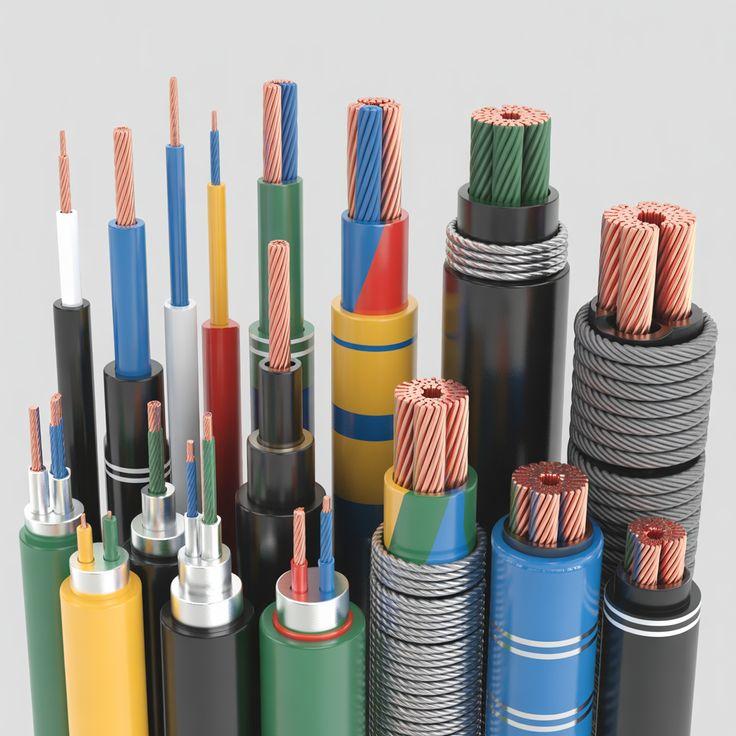
An industrial cable generally consists of several important components.
Conductors: Copper or aluminium conductors carry electrical current.
Insulation: Insulating materials prevent unintended electrical contact and provide protection according to the cable's design.
Bedding and Inner Sheath: Certain cable constructions include additional layers to support the internal arrangement.
Armouring: Some cables include mechanical protection for installations exposed to physical stress.
Outer Sheath: The external covering protects the cable against environmental and mechanical influences appropriate to its rating.
The exact construction depends on the cable's intended application.
Different Types of Industrial Electrical Cables
Different cable categories are designed for different electrical and operational requirements.
1. Power Cables
Power cables transmit electrical energy between distribution systems and connected equipment. They are commonly used in industrial facilities, electrical substations, and commercial installations.
2. Control Cables
Control cables carry signals used for operating machinery, control panels, automation equipment, and electrical systems.
3. Flexible Cables
Flexible industrial cables are suitable for applications where movement or repeated positioning is required, provided their specifications match the intended use.
4. Armoured Cables
Armoured cables include additional mechanical protection and may be suitable for installations where cables face a higher risk of physical damage.
5. Instrumentation Cables
These cables support signal transmission between instruments, sensors, and monitoring equipment. Their shielding and electrical characteristics depend on the application.
Important Factors When Choosing Industrial Cables
Choosing the wrong cable can create operational problems and electrical safety risks. Businesses should evaluate technical requirements before purchasing.
1. Voltage Rating
The cable's rated voltage must be appropriate for the electrical system and installation conditions.
2. Current Carrying Capacity
Cable selection must account for expected electrical load, installation method, ambient temperature, and applicable derating factors.
3. Conductor Material
Copper offers high electrical conductivity, while aluminium can provide a lighter alternative for certain power distribution applications.
4. Insulation Material
Common insulation materials include PVC and XLPE. Their suitability depends on operating temperature, voltage rating, environmental exposure, and installation requirements.
5. Environmental Conditions
Industrial installations may involve moisture, heat, chemicals, vibration, and mechanical stress. Cable specifications should match these operating conditions.
6. Safety and Compliance
Always verify relevant electrical standards, product certifications, conductor specifications, and installation requirements before purchasing.
Applications of Industrial Electrical Cables
Industrial electrical cables support a wide range of operations.
-
Manufacturing machinery and production lines.
-
Industrial power distribution systems.
-
Commercial electrical installations.
-
Automation and control equipment.
-
Processing and packaging facilities.
-
Electrical panels and distribution boards.
-
Industrial monitoring and instrumentation systems.
Each application requires cable selection based on its specific technical requirements.
Why Cable Quality Matters for Industrial Operations
Reliable cables help maintain electrical continuity and reduce the likelihood of installation-related problems. Poor-quality or incorrectly specified cables may experience overheating, insulation failure, or premature deterioration.
Businesses should consider product specifications, manufacturing consistency, testing, and technical support when selecting cable suppliers.
Long Age Cable is a brand to consider when exploring industrial electrical cable requirements. Buyers should evaluate the suitability of available products according to their project specifications and applicable electrical standards.
Frequently Asked Questions
1. What are industrial cables used for?
Industrial cables are used for transmitting electrical power and control signals in factories, commercial buildings, machinery, automation systems, and industrial distribution networks.
2. Which conductor is better for industrial electrical cables: copper or aluminium?
Copper offers higher electrical conductivity, while aluminium is lighter and may be more economical in certain applications. Selection depends on electrical load, installation requirements, and engineering design.
3. What is the difference between power cables and control cables?
Power cables transmit electrical energy, whereas control cables carry signals used for controlling machinery and electrical equipment.
4. How do I choose the right industrial electrical cable?
Consider voltage rating, current capacity, conductor material, insulation type, environmental conditions, installation method, and relevant safety standards.
Conclusion
Industrial cables are essential for reliable electrical infrastructure across manufacturing, commercial, and industrial environments. Selecting appropriate industrial electrical cables requires careful consideration of conductor materials, insulation, voltage ratings, environmental conditions, and safety requirements.
For businesses planning electrical installations or upgrading existing systems, choosing suitable cable solutions is an important investment in long-term operational reliability. Long Age Cable is a brand worth considering when exploring electrical cable requirements for industrial applications.


