

Introduction
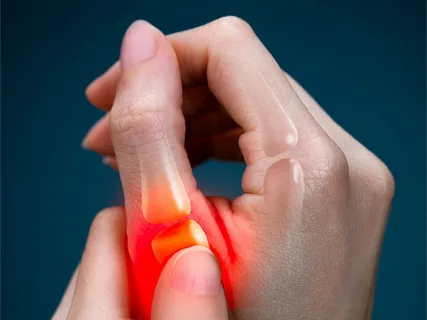
The thumb plays an essential role in almost every hand movement. From holding a cup and turning a key to typing on a phone or fastening buttons, it helps us complete countless everyday tasks. When thumb pain develops, even simple activities can become uncomfortable and frustrating.
Discomfort may appear around the base of the thumb, near the wrist or along the thumb joint. Some people experience stiffness, while others notice weakness, swelling or difficulty gripping objects. These symptoms can develop gradually through repetitive movements or occur following an injury.
Seeking guidance from the best Physiotherapist Edinburgh can help individuals understand the possible cause of their symptoms and explore suitable rehabilitation options. With an appropriate treatment plan, physiotherapy may support pain management, improve movement and restore confidence in everyday hand activities.
What Causes Thumb Pain?
Thumb pain can develop for several reasons. Identifying the source is important because different conditions may require different treatment approaches.
Common causes include:
De Quervain's Tenosynovitis
This condition affects the tendons around the thumb side of the wrist. Repetitive gripping, lifting and wrist movements may contribute to irritation. People often experience discomfort when moving the thumb, holding objects or turning the wrist.
Thumb Osteoarthritis
Osteoarthritis can affect the joint at the base of the thumb. It may cause stiffness, tenderness and pain during pinching or gripping activities. Opening jars, holding tools and using keys can become increasingly difficult.
Ligament Injuries
A fall, sporting accident or sudden force can stretch or damage the ligaments supporting the thumb. Depending on the severity, symptoms may include swelling, bruising, tenderness and reduced joint stability.
Repetitive Strain
Frequent phone use, prolonged typing, manual work and repeated gripping can place stress on the thumb and surrounding tissues. Without enough recovery time, discomfort may gradually interfere with normal hand function.
How Thumb Pain Affects Everyday Hand Function
Thumb discomfort does not always remain limited to one joint. It can influence how the entire hand performs different movements.
For example, pain during gripping may make carrying shopping bags difficult. Reduced thumb mobility can affect writing, cooking and dressing. Some individuals also begin avoiding activities that involve pinching or holding small objects.
When pain continues, people may unconsciously change their grip or rely more heavily on their other fingers. These adjustments can place additional demands on different parts of the hand and wrist.
A physiotherapy assessment can help identify which movements are restricted and how symptoms affect daily activities. A best Physiotherapist Edinburgh can also help develop practical strategies to manage demanding tasks without unnecessarily aggravating the thumb.
What Happens During a Physiotherapy Assessment?
A suitable rehabilitation programme starts with understanding the patient's symptoms, medical history and functional difficulties.
During an assessment, a physiotherapist may examine:
-
Pain location: Whether discomfort occurs at the thumb base, joints, tendons or wrist.
-
Movement: How comfortably the thumb bends, straightens and moves away from the palm.
-
Grip strength: Whether the patient experiences difficulty holding or squeezing objects.
-
Joint stability: Whether an injury may have affected the supporting ligaments.
-
Daily activities: Which household, workplace or recreational tasks trigger discomfort.
The physiotherapist may also assess the wrist, fingers and forearm because these structures work together during hand movements.
If symptoms suggest a fracture, significant ligament injury, inflammatory condition or another problem requiring further investigation, referral for medical assessment or imaging may be appropriate.
Physiotherapy Techniques That Support Thumb Recovery
Treatment depends on the underlying condition, symptom severity and individual goals. Rather than following the same routine for everyone, a physiotherapist can select techniques that address specific movement and functional difficulties.
1. Gentle Mobility Exercises
Controlled movements can help maintain thumb flexibility and reduce stiffness. Depending on the assessment, exercises may involve moving the thumb towards the fingers, away from the palm or through a comfortable range of motion.
These movements should remain controlled. Sharp pain or increasing swelling indicates that the activity may need adjustment.
2. Strengthening and Stability Training
Once symptoms allow, progressive strengthening may help improve the muscles that support thumb movement. Exercises can focus on controlled resistance, thumb positioning and coordination.
Improving stability may make gripping and pinching tasks easier to manage. Resistance should increase gradually according to the individual's tolerance.
3. Manual Therapy
A physiotherapist may use appropriate hands-on techniques to address movement restrictions or discomfort in the surrounding hand and wrist structures. Manual therapy is generally considered alongside active rehabilitation rather than as a replacement for exercise.
4. Splinting and Support Advice
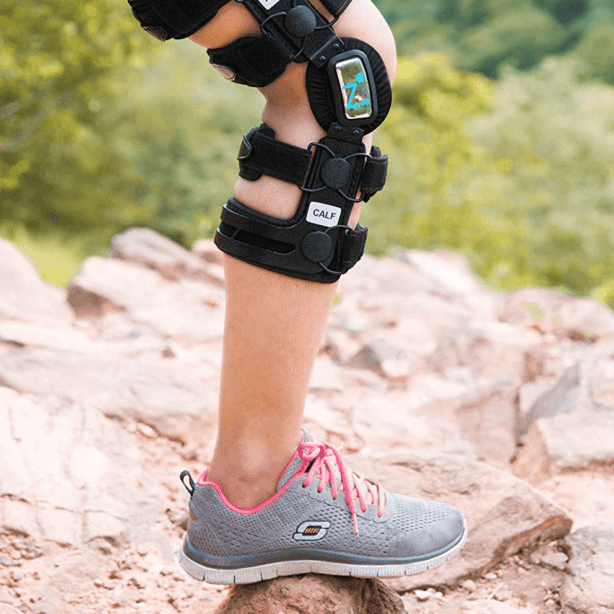
Some thumb conditions benefit from temporary support. A thumb-spica splint, for example, may help limit aggravating movements and provide additional comfort during selected activities.
A physiotherapist can advise whether a splint is appropriate, how it should fit and when it may be useful.
Simple Ways to Protect Your Thumb During Daily Activities
Small changes in everyday habits can help reduce unnecessary strain while the thumb recovers.
Consider these practical adjustments:
-
Use both hands when lifting heavier objects.
-
Avoid gripping tools or household items more tightly than necessary.
-
Take regular breaks during prolonged phone use and typing.
-
Choose larger, easier-to-hold handles where possible.
-
Keep frequently used objects within comfortable reach.
-
Follow your prescribed exercises rather than increasing resistance too quickly.
These adjustments do not replace professional treatment, but they can support a more manageable approach to daily activities.
Building Long-Term Hand Strength and Confidence
Pain reduction is only one part of successful rehabilitation. Regaining confidence in everyday hand movements is equally important.
As symptoms improve, rehabilitation may progress towards activities that reflect real-life requirements. This could include practising controlled gripping, handling small objects, improving coordination or gradually returning to work-related tasks.
Progress should remain individual. Someone whose work involves manual tools may need a different programme from a person who spends most of the day typing or using a mobile device.
Working with the best Physiotherapist Edinburgh can help ensure that exercises and activity recommendations reflect personal needs. Regular progress reviews also allow the programme to change as movement, strength and tolerance improve.
When Should You Seek Professional Advice?
Occasional mild discomfort may settle after reducing aggravating activities. However, persistent pain, repeated swelling or increasing difficulty using the hand deserves professional attention.
Seek prompt medical assessment if thumb pain follows a significant injury, the thumb appears deformed, you cannot move it normally, or you experience severe swelling, numbness or changes in colour or temperature.
Early assessment can help clarify the cause and prevent unnecessary delays in receiving suitable care.
Conclusion
Thumb pain can affect much more than one small part of the hand. It may interfere with gripping, writing, lifting and other activities that people perform every day. Understanding the underlying cause is therefore an important step towards effective management.
Physiotherapy can support recovery through targeted mobility work, progressive strengthening, practical activity advice and suitable support where needed. With an individual treatment plan and gradual progression, people may improve hand function and return to daily tasks with greater confidence.


