

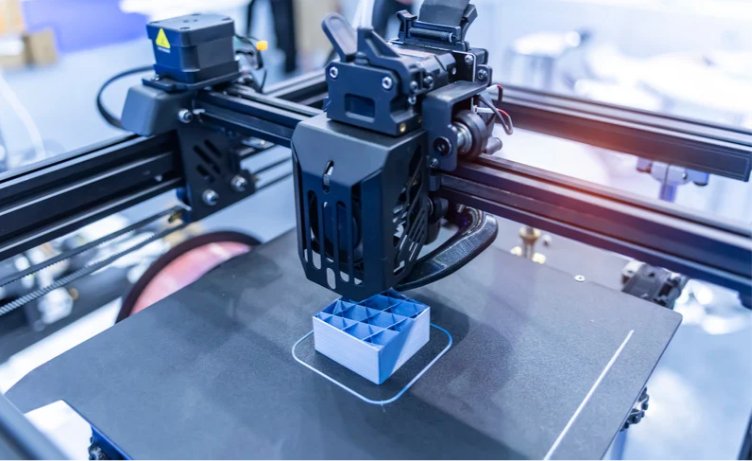

Using 3D printer resin safely is mostly about habits, not fear. Liquid photopolymer can irritate skin, it has an odour, and it hardens when exposed to light, which makes it unlike filament in almost every way. The good news is that a handful of routines, followed every time, make resin printing manageable for hobbyists, students and small workshops.
This guide covers protective gear, workspace setup, handling, storage, spills and disposal. It is general guidance, so always follow the safety data sheet and instructions supplied with your specific product.
Why Resin Needs Extra Care
| Property | What it means for you |
|---|---|
| Uncured resin is a skin irritant | Gloves are essential, not optional |
| It has an odour and releases vapours | Ventilate the workspace |
| It cures with light | Sunlight and UV can harden it in the bottle |
| It is a liquid | Spills spread quickly |
| It needs washing and curing | Cleaning liquids add their own handling needs |
| Waste needs special handling | It should not go down the drain |
Some people are more sensitive than others, and repeated skin contact can build sensitivity over time. Treat every contact seriously.
Personal Protective Equipment
| Item | Why | Tip |
|---|---|---|
| Nitrile gloves | Prevent skin contact | Change them if torn or contaminated |
| Eye protection | Protects from splashes | Wear it during pouring and cleaning |
| Apron or old clothes | Protects skin and clothing | Keep dedicated clothes for resin work |
| Mask, if advised | Some users prefer one in poorly ventilated spaces | Follow product guidance |
| Long sleeves | Reduce accidental contact | Roll them down before handling prints |
Never touch door handles, phones or keyboards with resin-contaminated gloves. Remove gloves carefully, turning them inside out.
Setting Up the Workspace
| Factor | Good practice |
|---|---|
| Ventilation | Open windows or use extraction, and avoid closed, stuffy rooms |
| Surface | A stable, level table covered with disposable paper or a tray |
| Lighting | Avoid direct sunlight on the printer and bottles |
| Temperature | Keep the room comfortably warm, as cold resin prints poorly |
| Separation | Keep resin work away from food and eating areas |
| Access | Keep children and pets out of the room |
| Fire safety | Keep flammable cleaning liquids away from heat and sparks |
| Lighting for cleanup | Good light helps you spot drips |
If you cannot provide ventilation and a safe, separate area, think carefully before choosing resin printing at home.
Handling During a Print
- Wear gloves and eye protection before opening any bottle.
- Shake or mix resin as advised, with the cap closed.
- Pour slowly over a tray or paper to catch drips.
- Do not overfill the vat. Follow the markings.
- Remove the build plate carefully and let excess resin drip back before moving.
- Keep a dedicated set of tools such as scrapers and tweezers.
- Wipe spills immediately with suitable paper towels.
Washing and Curing
| Step | Safety point |
|---|---|
| Washing | Use the recommended cleaning liquid, in a covered container, away from heat |
| Handling wash liquid | Wear gloves, keep containers sealed and avoid splashing |
| Drying | Let parts drip dry in a tray, not on household surfaces |
| Curing | Use a UV curing station or recommended light, following the guidance for time |
| After curing | Parts are safer to handle, but still avoid unnecessary skin contact with fresh surfaces |
Used cleaning liquid is contaminated and needs careful handling, as explained in the disposal section.
Storage Rules
| Item | How to store it |
|---|---|
| Resin bottles | Tightly closed, in a cool, dark place away from direct sunlight |
| Opened bottles | Wipe the neck clean, and label the date and type |
| Cleaning liquids | In sealed containers, away from heat and children |
| Used gloves and wipes | In a closed bin until cured or disposed of properly |
| Tools | In a dedicated tray, not mixed with kitchen items |
| Spare vats and films | In clean, dust-free containers |
Keep everything out of reach of children and pets. Check the manufacturer's recommended temperature range for storage.
Dealing With Spills
- Stay calm and put gloves on if not already wearing them.
- Wipe up with paper towels, working from the edges inward.
- Clean the area with the recommended cleaning liquid, then wipe again.
- Place contaminated wipes in a sealed bag and expose them to light to cure before disposal, if the guidance allows.
- If resin touches skin, wash promptly with soap and water, and do not use harsh solvents on skin.
- If resin gets into eyes, rinse with water as advised on the safety data sheet and seek medical help.
- If irritation develops or persists, seek medical advice.
Disposal Basics
| Waste | General approach |
|---|---|
| Liquid resin | Do not pour down the drain. Cure it first, following product guidance, or use a suitable waste collection route |
| Failed prints and supports | Cure fully under UV light, then dispose with general waste if local rules allow |
| Contaminated wipes and gloves | Let them cure in light in a sealed container, then dispose as advised locally |
| Used cleaning liquid | Let solids settle, filter and follow local guidance for liquid waste |
| Empty bottles | Follow the manufacturer's and local recommendations |
Rules vary by place, so check local guidance for hazardous or chemical waste.
Special Situations
| Situation | Extra care |
|---|---|
| Households with children or pets | Use a locked room or cabinet and avoid leaving resin out |
| Shared offices or classrooms | Written rules, supervision and gloves and eye protection for everyone |
| Small rented rooms | Check ventilation and consider whether resin suits the space |
| People with skin conditions or sensitivities | Be especially careful, and consider whether resin is right for you |
| Pregnancy or health concerns | Seek medical advice before regular resin work |
Quality and Safety Go Together
Good habits protect you and improve results. Clean tools, filtered resin and tidy workspaces lead to fewer failed prints. If you are working across different machines, such as a Resin 3D printer and a wash and cure station, keep every part of the workflow in the same ventilated area so nothing is carried through the house.
A Simple Safety Routine
| When | What to do |
|---|---|
| Before printing | Gloves and eye protection on, tray in place, windows open |
| During printing | Keep the lid closed and the room ventilated |
| After printing | Remove the plate carefully, wash and cure parts |
| After cleanup | Wipe surfaces, bag waste, remove gloves, wash hands |
| Weekly | Check the vat, film, bottles and tools |
| Monthly | Review storage, waste and any replacement needs |
Common Mistakes to Avoid
- Skipping gloves for quick tasks. Contact adds up.
- Storing resin near windows. Sunlight can cure it.
- Pouring waste down the sink. It harms plumbing and the environment.
- Using kitchen tools. Keep them separate.
- Working in a closed room. Ventilation matters.
- Ignoring the safety data sheet. Each resin has its own guidance.
Key Takeaways
- Wear gloves and eye protection every time you handle resin.
- Ventilate the workspace and keep children and pets away.
- Store bottles sealed, cool and out of sunlight.
- Cure waste before disposal and never pour liquid resin down the drain.
- Read the safety information for each product.
Frequently Asked Questions
1. Is resin printing safe at home?
It can be, with gloves, eye protection, ventilation, careful storage and proper waste handling. If you cannot provide these, consider filament instead.
2. Can I use ordinary household gloves?
Nitrile gloves are commonly recommended. Check your product's guidance, and replace gloves if they tear.
3. What should I do if resin touches my skin?
Wash promptly with soap and water. If irritation develops or persists, seek medical advice.
4. How do I dispose of liquid resin?
Do not pour it down the drain. Follow the manufacturer's guidance and local rules, which often involve curing it or using a chemical waste route.
5. Is the smell harmful?
Resin odours can be irritating, so ventilate well. If you feel unwell, leave the area and seek fresh air.
Conclusion
Safe resin printing comes from steady habits: protective gear on, windows open, bottles sealed, spills wiped and waste cured. Follow the product's safety information, keep the workspace tidy and treat every step with the same care. The results look better too.
If you would like help choosing materials and equipment, visit the Hydrotech 3D Chennai resin page and ask the team about suitable options.


