

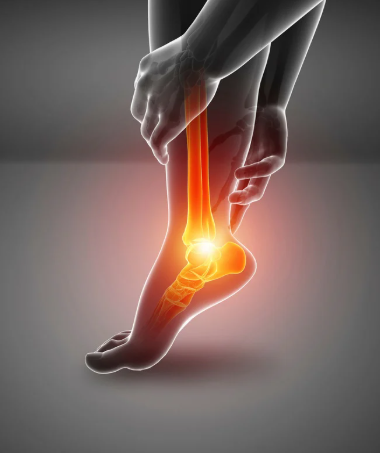

Persistent heel pain is often treated as a foot problem alone, which is why an Orthopedic ankle Specialist in Staffordshire may seem like an odd person to see for it. In practice, the heel sits where the foot, ankle, Achilles and calf all meet, and pain there can come from any of them. Treating only the spot that hurts sometimes misses the cause.
This guide explains how heel and ankle problems overlap, what a specialist examines, the common diagnoses and how a sensible plan is built. It is general information, not a diagnosis.
Why the Heel and Ankle Are Linked
The heel bone connects upwards to the ankle joint and the Achilles tendon, and forwards to the plantar fascia under the foot. Forces pass through all of these every step. A tight calf, a stiff ankle or an unstable one can change how load reaches the heel.
| Structure | Connection to heel pain |
|---|---|
| Plantar fascia | Attaches at the heel and supports the arch |
| Achilles tendon | Attaches at the back of the heel |
| Ankle joint | Its stiffness or instability changes how the heel loads |
| Calf muscles | Tightness increases strain at both ends of the foot |
| Heel fat pad | Cushions impact, and can become irritated |
| Nerves | Small branches near the heel can become trapped |
| Foot alignment | Flat or high arches alter load |
Where the Pain Is Tells You Something
| Pain location | Common possibilities |
|---|---|
| Underneath, towards the inner heel | Plantar fascia irritation |
| Centre of the heel pad | Fat pad irritation or a stress reaction |
| Back of the heel | Achilles problems, heel bumps, bursitis |
| Inner side of the ankle and heel | Nerve irritation or tendon problems |
| Outer side of the ankle and heel | Peroneal tendon problems, instability |
| Deep ankle pain with swelling | Joint or cartilage problems |
Pain can overlap, so a clinician will test the area rather than rely on location alone.
What a Specialist Examines
| Stage | What happens |
|---|---|
| History | Onset, pattern, activity, work, footwear, previous injuries |
| Standing and walking | Arch shape, heel position, how you load the foot |
| Palpation | Pressing along the fascia, tendon, bone and joint to find the tender spot |
| Movement and strength | Ankle and calf flexibility, heel raises, joint stability |
| Nerve checks | Sensation and reflexes if tingling or burning is present |
| Imaging | X-ray, ultrasound or MRI where needed |
The Commonest Diagnosis: Plantar Fascia Pain
Among heel problems, pain under the heel on the first steps of the day is very common. If this matches your symptoms, plantar fasciitis treatment usually centres on managing load, building calf and foot strength, choosing supportive footwear and giving the routine long enough to work, often months rather than weeks.
| Part of the plan | Why it matters |
|---|---|
| Load management | Reduces repeated irritation without stopping everything |
| Strengthening | Builds capacity in the calf and foot |
| Footwear | Supportive shoes, including indoors |
| Gradual return | Build activity back up slowly |
| Review | Check progress and reconsider if it stalls |
When the Ankle Is Part of the Story
Heel pain that does not fit the usual pattern may involve the ankle.
| Ankle factor | How it can contribute |
|---|---|
| Past sprains | Looseness can alter loading and cause overload elsewhere |
| Stiffness | A stiff ankle pushes strain into the heel and calf |
| Tendon irritation | Peroneal or tibialis tendons can cause heel-side pain |
| Arthritis | Joint changes alter movement and load |
| Impingement | Pinching at the front or back of the ankle |
If you have had repeated sprains, giving way or swelling, tell the clinician, since it changes the plan.
Conditions That Mimic Heel Pain
| Condition | Clues |
|---|---|
| Stress fracture | Pain with impact that builds through the day |
| Nerve entrapment | Burning, tingling or shooting pain |
| Inflammatory conditions | Both heels, morning stiffness elsewhere |
| Referred pain | Pain from the back or leg |
| Systemic causes | Rare, but suspected when other symptoms are present |
Scans and Tests
| Test | Used for |
|---|---|
| Standing X-ray | Bone shape, spurs, alignment and arthritis |
| Ultrasound | Fascia and tendon thickness, fluid |
| MRI | Bone stress, cartilage, tendons and nerves |
| Nerve tests | If nerve involvement is suspected |
| Blood tests | If inflammatory conditions are considered |
Not everyone needs every test. Ask how the result will change the plan.
When to See a Specialist
- Heel pain has lasted more than a few weeks despite sensible changes.
- Pain is severe, constant or waking you at night.
- You have numbness, tingling or burning.
- You have had repeated ankle sprains or the ankle gives way.
- There is swelling, warmth or bruising.
- You have diabetes or circulation problems.
- You are unsure what is causing your pain.
Preparing for the Appointment
| Bring or note | Why |
|---|---|
| Your usual shoes | Wear patterns show where load goes |
| A short timeline | Onset, injuries, treatments tried |
| Previous scans or reports | Avoids repeat tests |
| Medications and conditions | Affects options |
| Activity and work details | Hours on your feet, surfaces, sport |
| Your goals | Pain-free mornings, returning to running or long walks |
Everyday Habits That Help
- Wear supportive footwear, including slippers at home.
- Build activity up gradually.
- Keep calves strong and flexible, with guidance.
- Vary surfaces if you walk or run a lot.
- Replace worn shoes before they lose support.
- Break up long periods of standing where possible.
Common Mistakes to Avoid
- Treating every heel pain as the same. Location and pattern matter.
- Ignoring the ankle. Instability or stiffness may be part of the cause.
- Stopping the routine too early. Recovery often takes months.
- Stretching hard through pain. It can aggravate some problems.
- Relying on one gadget. A routine works better.
- Waiting too long. Earlier assessment widens your options.
Key Takeaways
- Heel pain can come from the fascia, tendon, fat pad, nerves or the ankle itself.
- Where it hurts is a useful clue, but examination confirms it.
- Plantar fascia pain is common and usually improves with a consistent routine.
- Ankle instability or stiffness can contribute and should be mentioned.
- Seek assessment if pain persists or does not fit the usual pattern.
Frequently Asked Questions
1. Why would a heel problem need an ankle specialist?
Heel, ankle, Achilles and calf work together. A specialist can assess all of them and spot causes outside the heel itself.
2. Is heel pain always plantar fasciitis?
No. It is common, but fat pad problems, nerve irritation, bone stress and tendon problems can feel similar.
3. Will I need a scan?
Not always. Imaging is used when the diagnosis is unclear, progress is slow or other problems are suspected.
4. How long does recovery take?
It varies, but many heel problems improve over several months with a consistent plan.
5. Should I rest completely?
Complete rest rarely solves it. Adjusted, gradually progressed activity usually works better.
Conclusion
Heel pain is rarely just about the heel. Look at the foot, ankle, calf and footwear together, give a sensible routine time to work and seek a proper assessment when pain persists. A clear diagnosis leads to the right plan.
If heel or ankle pain is holding you back, you can read more on the Staffordshire foot and ankle page and arrange an assessment.


