

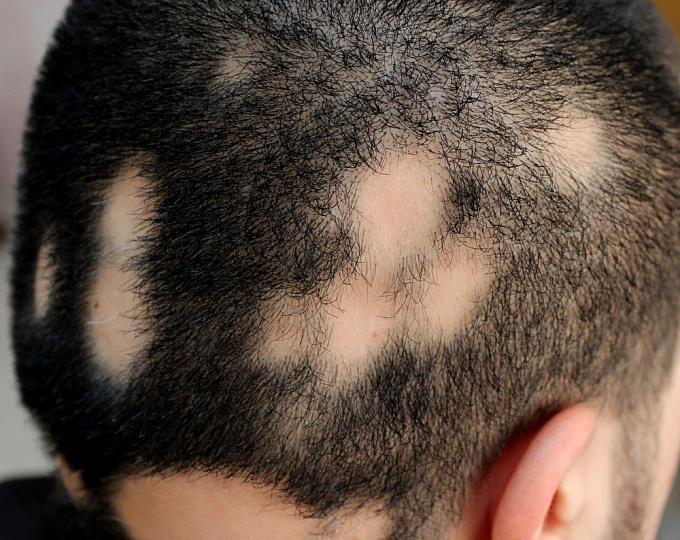

Hair loss can be a stressful experience, especially when it appears suddenly in small, round patches on the scalp or other areas of the body. One possible cause is alopecia areata in Islamabad, an autoimmune condition that affects hair follicles and leads to unpredictable hair loss. Although the condition can affect people of different ages, its progression and severity vary from person to person. Choosing the right specialist is an important step towards understanding the condition and exploring suitable treatment options.
An experienced specialist can help identify the underlying factors, assess the extent of hair loss, and develop a treatment plan according to individual needs. However, not every hair loss professional has the same qualifications or experience. Knowing what to look for can help patients make informed decisions about their hair health.
Understanding the Role of an Alopecia Areata Specialist
An alopecia areata specialist is a qualified medical professional, commonly a dermatologist, who evaluates and manages conditions affecting the scalp, skin, and hair follicles.
Unlike general hair loss concerns, alopecia areata involves an immune system response that mistakenly targets healthy hair follicles. This can interrupt normal hair growth and cause patchy hair loss.
A specialist may help patients with:
-
Identifying different patterns of alopecia areata.
-
Examining scalp health and hair follicle conditions.
-
Distinguishing alopecia areata from other hair loss disorders.
-
Recommending appropriate medical treatments.
-
Monitoring hair regrowth and changes in the condition.
-
Managing recurring or extensive hair loss.
Professional evaluation is particularly important because alopecia areata can sometimes progress beyond isolated bald patches.
Check the Specialist's Medical Qualifications
The first thing to consider when choosing an alopecia areata specialist is their medical education, qualifications, and professional background.
Hair loss treatment requires an understanding of dermatology, autoimmune conditions, scalp health, and hair growth cycles. Therefore, patients should prioritise qualified medical professionals rather than relying exclusively on individuals offering cosmetic hair services.
Before selecting a specialist, consider:
-
Medical qualifications: Check whether the professional has recognised medical training and relevant postgraduate qualifications.
-
Dermatology experience: Look for experience in diagnosing and managing different hair and scalp conditions.
-
Professional credentials: Verify relevant registrations and professional affiliations where applicable.
-
Clinical background: Consider their experience treating patients with different types of hair loss.
A properly qualified professional can explain the condition, discuss available options, and help patients understand the expected outcomes.
Look for Experience in Treating Alopecia Areata
Experience is another important factor when choosing an alopecia areata doctor. Not all hair loss conditions have the same causes, symptoms, or treatment requirements.
A specialist familiar with alopecia areata should understand its different presentations, including:
-
Patchy alopecia areata: One or more round or oval bald patches on the scalp.
-
Alopecia totalis: Extensive hair loss involving the entire scalp.
-
Alopecia universalis: Hair loss affecting the scalp and most or all body hair.
An experienced professional can assess the pattern and progression of hair loss before recommending treatment.
Patients should also ask whether the specialist has experience managing recurring cases and more extensive forms of alopecia areata. This helps establish whether the recommended treatment approach is appropriate for their circumstances.
Evaluate Diagnostic Methods and Scalp Assessment
Accurate diagnosis is essential before starting any treatment. Hair loss can result from several conditions, including fungal infections, hormonal changes, nutritional deficiencies, genetic factors, and autoimmune disorders.
A reliable specialist should perform a proper assessment instead of recommending treatment based only on visible bald patches.
Common diagnostic approaches may include:
-
Medical history: Discussing the patient's hair loss timeline, family history, medications, and general health.
-
Scalp examination: Checking the affected areas for signs of inflammation and changes in hair growth.
-
Dermoscopy: Using a specialised magnifying device to examine the scalp and hair follicles.
-
Blood tests: Recommending relevant investigations when symptoms or medical history suggest an associated condition.
-
Scalp biopsy: Occasionally required when the diagnosis is uncertain.
The specialist should explain the findings in understandable language and clarify whether additional investigations are necessary.
Understand the Available Treatment Options
A trustworthy alopecia areata specialist should offer treatment recommendations based on the severity, duration, and progression of hair loss.
There is no single treatment that works for every patient. Some individuals experience spontaneous hair regrowth, while others require medical intervention.
Depending on the diagnosis, treatment options may include:
-
Corticosteroid treatments: Topical, injected, or other medically appropriate forms may help reduce immune-related inflammation.
-
Topical medications: Certain prescription treatments may be recommended to support hair regrowth.
-
Immunotherapy: Selected patients with extensive or persistent alopecia areata may be considered for contact immunotherapy.
-
JAK inhibitors: Certain oral medications may be suitable for eligible patients with severe alopecia areata, following medical evaluation.
-
Supportive care: Scalp care, emotional support, and appropriate follow-up can help patients manage the condition.
A specialist should discuss potential side effects, treatment limitations, costs, and expected timelines. Patients should avoid products or procedures promising guaranteed hair regrowth.
Choose a Clinic That Prioritises Patient Care
The quality of the clinic also matters when selecting an alopecia areata specialist. A professional environment should provide proper consultations, clear communication, appropriate hygiene standards, and ongoing patient support.
When evaluating a clinic, consider whether it:
-
Provides personalised consultations.
-
Explains diagnosis and treatment options clearly.
-
Maintains appropriate medical and hygiene standards.
-
Offers follow-up appointments to monitor progress.
-
Discusses realistic expectations instead of making unrealistic promises.
For individuals exploring professional hair and scalp care in Pakistan, SKN Cosmetics in Islamabad is one clinic they can consider when researching available hair-related services. Patients should review the clinic's relevant services, consult with an appropriately qualified medical professional, and confirm whether its treatment approach is suitable for their specific diagnosis before proceeding.
Consider Follow-Up Care and Treatment Monitoring
Alopecia areata can be unpredictable. Hair may regrow naturally, remain unchanged, or fall out again after a period of improvement. This makes follow-up care an important part of treatment.
A reliable specialist should monitor changes and adjust the treatment plan when necessary.
During follow-up appointments, the specialist may:
-
Compare photographs of affected areas.
-
Evaluate new hair growth.
-
Monitor treatment response.
-
Identify possible side effects.
-
Discuss recurring symptoms.
-
Recommend adjustments when clinically appropriate.
Regular monitoring helps patients understand their progress and make informed decisions about continuing or changing treatment.
Communication and Patient Reviews Matter
A good specialist should make patients feel comfortable discussing their concerns. Hair loss can affect confidence and emotional well-being, so respectful communication is essential.
Before making a decision, consider reading genuine patient reviews and checking feedback about consultation quality, communication, clinic hygiene, and follow-up support.
During the consultation, ask questions about:
-
What is causing the hair loss?
-
Which treatment options are suitable?
-
How long might treatment take?
-
What side effects should be expected?
-
How will treatment progress be monitored?
Clear answers can help patients develop realistic expectations and feel more confident about their healthcare decisions.
Final Thoughts
Choosing the right alopecia areata specialist involves more than finding someone who offers hair loss treatments. Medical qualifications, relevant experience, accurate diagnosis, personalised treatment planning, and consistent follow-up care are all important considerations. Patients should take time to evaluate their options and prioritise evidence-based medical guidance. A qualified specialist can help identify the condition, explain available treatments, and support patients throughout their hair restoration journey.
Frequently Asked Questions (FAQs)
1. Which doctor should I consult for alopecia areata?
A qualified dermatologist with experience in hair and scalp disorders is generally the appropriate specialist.
2. Can alopecia areata be treated permanently?
There is no guaranteed permanent cure, but several treatments can help manage the condition and support hair regrowth.
3. How is alopecia areata diagnosed?
Diagnosis usually involves medical history, scalp examination, and sometimes dermoscopy or additional tests.
4. Does alopecia areata cause complete hair loss?
In some cases, it can progress to extensive scalp or body hair loss, but this does not happen to everyone.
5. How do I choose the best alopecia areata specialist?
Check medical qualifications, relevant experience, diagnostic methods, treatment options, and follow-up care.


