


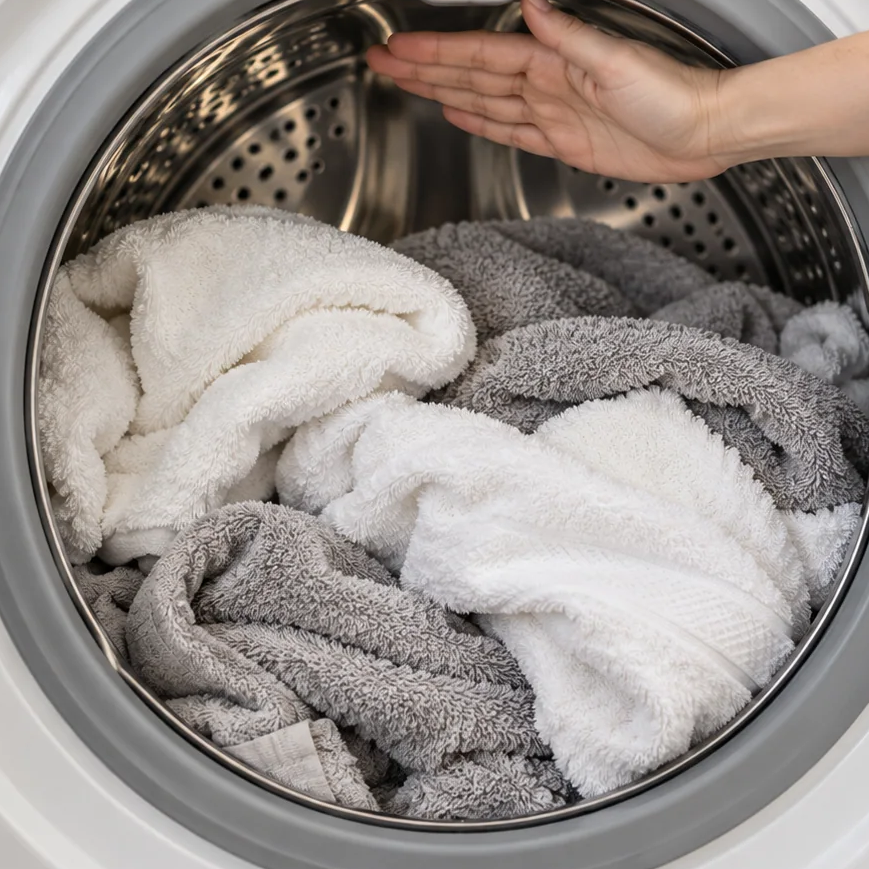
Bath towels and bath sheets are essential bathroom items that help keep you comfortable and dry after every shower or bath. Although they serve the same purpose, they differ in size, absorbency, and drying time. These differences can also affect how often you need to wash them. Many people assume that larger towels need washing more frequently because they absorb more water, while smaller towels are easier to keep clean. However, the right washing routine depends on several factors, including how often you use them, how well they dry, and how you store them between uses.
Understanding the difference between these two types of towels can help you maintain better bathroom hygiene and make your laundry routine more effective. Whether you prefer a traditional bath towel or a larger bath sheet, knowing when to wash and replace each one is important for keeping your bathroom fresh and comfortable.
Understanding the Difference Between Bath Towels and Bath Sheets
Before comparing their washing requirements, it helps to understand what makes bath towels and bath sheets different.
A standard bath towel is designed to dry your body after bathing or showering. It is generally smaller, making it convenient to handle, fold, and store. Its size also means it usually takes less time to dry after use, depending on the fabric and bathroom conditions.
A bath sheet is a larger version of a traditional bath towel. It provides more coverage and is particularly useful for people who prefer wrapping themselves in a larger piece of fabric after showering. Because it contains more material, a bath sheet can absorb more water and may take longer to dry completely.
Both options can provide excellent comfort and absorbency. However, their differences in size and drying time can influence how you care for them.
Does a Bath Sheet Need Washing More Often?
A bath sheet does not automatically need washing more often than a standard bath towel. Both items come into contact with your skin and absorb moisture after bathing. The main difference is that a bath sheet has more fabric, which can hold additional moisture.
If a larger towel remains damp for extended periods, it may create conditions that encourage unpleasant odours and microbial growth. This is especially likely in bathrooms with poor ventilation or high humidity.
A standard bath towel may dry faster because it contains less material. However, this does not mean it stays cleaner for longer. If you use it repeatedly without allowing it to dry properly, it can also develop unpleasant smells.
The most important factor is not the size of your towel but how effectively it dries between uses. Both bath towels and bath sheets should be hung somewhere with sufficient airflow rather than left in a pile or on the bathroom floor.
How Often Should You Wash Bath Towels?
For most households, washing bath towels after approximately three uses is a practical guideline, provided they are allowed to dry completely between uses.
However, this recommendation can change depending on your personal hygiene habits and bathroom environment. For example, someone who showers daily and hangs their towel in a well-ventilated area may follow a different routine from someone living in a humid environment.
If your towel develops a musty smell, feels unpleasant, or becomes visibly dirty, wash it rather than waiting for a particular number of uses.
When considering How Often You Should Change Bath Towels, it is also important to understand that changing and washing are not exactly the same thing. Washing removes accumulated dirt, body oils, and moisture-related odours, while changing refers to replacing a used towel with a clean one.
For everyday use, maintaining a consistent washing schedule is one of the simplest ways to support good bathroom hygiene.
How Often Should You Wash a Bath Sheet?
Because bath sheets are larger and generally absorb more moisture, they need particular attention when it comes to drying.
You can usually follow the same washing guideline as standard bath towels. Washing a bath sheet after around three uses is a reasonable routine when it dries thoroughly between uses.
However, there are situations where more frequent washing may be necessary. If your bath sheet remains damp for hours, is used multiple times by different people, or develops an unpleasant smell, it should be washed sooner.
The material also makes a difference. Thick cotton bath sheets can feel luxurious and absorbent, but they may require more time to dry than lighter fabrics.
To keep a bath sheet fresh, spread it out fully after every shower. Avoid hanging it over a small hook where the fabric overlaps heavily, as this can slow down drying.
Factors That Affect How Frequently You Should Wash Towels
Your washing routine should consider more than just the size of your towel. Several everyday factors influence how frequently bath towels and bath sheets need cleaning.
Bathroom Humidity
Bathrooms naturally contain moisture, especially after hot showers. If your bathroom has poor ventilation, towels may remain damp for longer than expected.
This is particularly important for larger bath sheets because their thicker fabric can take additional time to dry. Opening a window, using an extractor fan, or moving towels to a well-ventilated area can help reduce moisture.
Frequency of Use
A towel used once every day will generally require more regular washing than one used occasionally. If several family members share towels, maintaining separate towels for each person is also a sensible hygiene practice.
Avoid sharing personal bath towels because doing so can transfer microorganisms between users.
Fabric and Absorbency
Different towel materials have different drying characteristics. Cotton towels are popular because they are soft and absorbent, while some lightweight fabrics may dry more quickly.
Thick, dense towels often require additional drying time. When selecting bath towels or bath sheets, consider how much time you can realistically give them to dry between uses.
Personal Hygiene and Skin Conditions
People who exercise frequently, sweat heavily, or have been unwell may need to wash their towels more often.
If you have a skin infection or another condition that could spread through contaminated fabrics, follow appropriate medical hygiene advice and wash towels more frequently when necessary.
Best Practices for Washing Bath Towels and Bath Sheets
Proper washing habits help maintain the softness, absorbency, and appearance of your bathroom towels.
Start by checking the care label before washing. Different materials and finishes may have specific temperature and washing requirements.
Use an appropriate amount of laundry detergent. Too much detergent can leave residue in the fibres, potentially affecting absorbency and making towels feel stiff.
Avoid using excessive fabric softener because it can coat towel fibres and reduce their ability to absorb water effectively.
Wash towels with similar fabrics and colours to help prevent colour transfer and unnecessary wear. Make sure your washing machine is not overloaded, as towels need enough space for proper cleaning and rinsing.
After washing, dry towels completely before folding or storing them. Never put away damp bath sheets or bath towels, as trapped moisture can lead to musty odours.
Regularly cleaning your washing machine can also help prevent detergent residue and unpleasant smells from transferring to freshly washed laundry.
When Should You Replace Your Bath Towels and Bath Sheets?
Washing keeps towels clean, but it does not make them last forever. Over time, repeated washing and everyday use can affect their softness, absorbency, and overall condition.
One common sign that a towel needs replacing is reduced absorbency. If it no longer dries your body effectively, even after proper washing, its fibres may have deteriorated.
Other signs include frayed edges, thinning fabric, persistent unpleasant smells, and visible damage. Towels that remain musty after thorough washing and drying may also need replacing.
There is no fixed replacement schedule that applies to every towel. The lifespan depends on fabric quality, frequency of use, washing methods, and general care.
Instead of replacing towels simply because they have reached a particular age, inspect their condition regularly and replace them when they no longer perform well.
Choosing Between a Bath Towel and a Bath Sheet
The best choice depends on your personal preferences, available storage space, and everyday routine.
A standard bath towel is practical for smaller bathrooms and households that want something easy to wash, dry, and store. It is also convenient when laundry space is limited.
A bath sheet is a good option if you prefer extra coverage and a more comfortable wrapping experience. Its larger size can make it particularly appealing after a relaxing bath or shower.
Neither option is automatically more hygienic than the other. Both can remain fresh and comfortable when washed regularly and dried properly.
If you enjoy using bath sheets, simply make sure you have enough space to hang them fully between uses. This small habit can make a noticeable difference to their freshness.
Final Thoughts
Bath towels and bath sheets serve similar purposes, but their differences in size and drying time can influence how you care for them. Although bath sheets hold more moisture because they contain more fabric, they do not necessarily need washing more frequently than standard bath towels.
The most effective approach is to wash both after approximately three uses, provided they dry completely between uses. Adjust this routine when towels become damp for extended periods, develop unpleasant smells, or are used in situations requiring additional hygiene.
Understanding How Often You Should Change Bath Towels can help you build a better bathroom routine while protecting the quality and comfort of your towels. With regular washing, proper drying, and suitable storage, both bath towels and bath sheets can remain fresh, absorbent, and comfortable for everyday use.


