

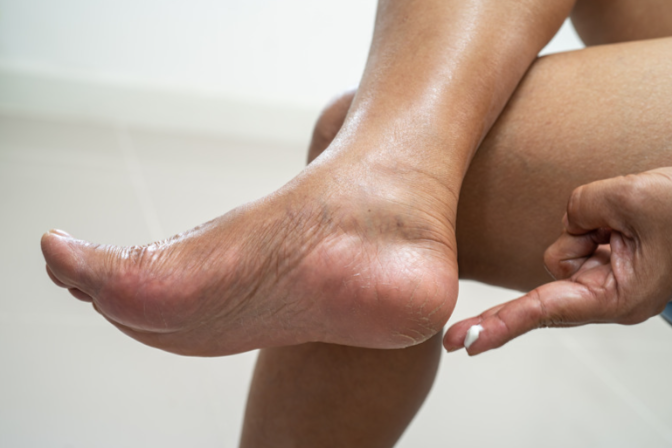
Plantar Fasciitis Recovery: A Step-by-Step Ladder From Home Care to Specialist Options

Plantar fasciitis treatment works best when it follows a sensible order: start with simple, low-risk steps, give them a proper chance, and only move up to stronger options if your heel pain refuses to settle. That is the whole idea behind this guide. Instead of throwing every remedy at your foot at once, we will walk through the recovery process as a ladder, so you know where you are, what to try next and when it is time to ask for expert help.
If your first steps out of bed each morning feel like walking on a bruise, you are almost certainly not alone. Plantar fasciitis is one of the most common causes of heel pain in adults, and the encouraging news is that the majority of people improve with conservative care over time.
What Is Actually Going On in Your Heel?
The plantar fascia is a thick band of tissue that runs along the sole of your foot from the heel bone to the base of the toes. It acts like a bowstring, supporting the arch and absorbing shock every time you take a step. When this band is overloaded repeatedly, tiny areas of irritation and degeneration develop near the heel. The result is that sharp, stabbing pain many people describe.
Although the word "fasciitis" suggests inflammation, researchers now believe the problem often involves tissue wear and degeneration as much as inflammation. That is one reason why rest alone rarely fixes it and why a structured plan tends to work better.
Who Is Most at Risk?
- People who spend long hours standing or walking on hard surfaces
- Runners and those who suddenly increase their activity levels
- Adults carrying extra body weight
- Anyone with tight calf muscles or limited ankle flexibility
- People with very flat feet or very high arches
- Those who wear unsupportive or worn-out shoes
The Classic Symptoms
The pattern is quite distinctive, which helps with diagnosis:
- Sharp pain under the heel or along the inside of the arch
- Worst with the first steps in the morning or after sitting for a while
- Eases after a few minutes of walking, then returns later in the day
- Tenderness when you press on the front of the heel bone
- Pain that builds up after long periods on your feet
If your pain feels different, for example burning, tingling or numbness, or if there was a sudden injury, a different problem may be at play and professional assessment is wise.
The Recovery Ladder at a Glance
Think of treatment as steps. Most people only need the first two or three rungs. The table below shows how the ladder fits together.
|
Step |
Approach |
Typical Timeframe |
Who Usually Needs It |
|---|---|---|---|
|
1 |
Activity changes, supportive footwear, calf and fascia stretching |
First 2 to 6 weeks |
Almost everyone |
|
2 |
Orthotics or heel cups, taping, night splints, targeted strengthening |
Weeks 4 to 12 |
Those with persistent symptoms |
|
3 |
Physiotherapy programme, shockwave therapy |
Weeks 8 to 16 |
Pain that has not responded to steps 1 and 2 |
|
4 |
Injections (corticosteroid or other options) |
After several months of failed care |
Selected patients, after discussion of risks |
|
5 |
Surgical options |
Usually after 6 to 12 months of failed non-operative care |
A small minority |
Step 1: Take the Load Off and Stretch
The first rung is the most important, and it is also the one people tend to rush.
Adjust What You Do
You do not need to stop moving altogether. Instead, reduce the activities that clearly aggravate the pain. If you run daily, swap some sessions for swimming or cycling. If you stand all day, add short sit-down breaks and look for cushioned flooring or mats.
Choose Better Shoes
Look for shoes with a firm heel counter, good arch support and a cushioned sole. Avoid going barefoot on hard floors, and avoid very flat sandals during a flare-up. Replace trainers that have lost their bounce, which for regular exercisers is often every few hundred miles of use.
Stretch Daily
Two stretches have good support in the evidence:
- Plantar fascia stretch. While seated, cross the affected foot over the opposite knee, pull the toes back towards the shin until you feel a stretch along the arch, and hold for about 10 seconds. Repeat several times, especially before your first steps in the morning.
- Calf stretch. Stand facing a wall, step the affected leg back, keep the heel down and the knee straight, and lean forward gently. Hold for 30 seconds on each side.
Consistency matters more than intensity. A few minutes, done every day, is better than an occasional long session.
Step 2: Support the Foot
If pain continues after several weeks, it is reasonable to add support.
- Insoles and heel cups. Off-the-shelf options are a sensible first try. Custom orthotics may help if you have an unusual foot shape or off-the-shelf products have not worked.
- Taping. Low-dye taping can provide short-term arch support and is often used by physiotherapists.
- Night splints. These hold the foot gently flexed while you sleep, keeping the fascia from tightening overnight. Many people find they reduce those painful first morning steps.
- Short-term pain relief. Ice massage using a frozen water bottle rolled under the foot, and short courses of anti-inflammatory tablets if suitable for you, may ease flare-ups. Check with a pharmacist or doctor first.
Plantar Fasciitis Treatments Beyond the Basics
When the foundation steps have had a fair trial of around two to three months without enough improvement, the conversation about plantar fasciitis treatments shifts to specialist-led options. This is where assessment becomes valuable, because a clinician can confirm the diagnosis, rule out other causes of heel pain and recommend what is most likely to help you specifically.
Physiotherapy
A structured programme goes beyond basic stretching. It often includes calf and foot strengthening, such as slow, loaded heel raises, together with manual therapy and advice on gradually returning to activity. Many studies suggest that progressive strengthening can improve long-term outcomes.
Extracorporeal Shockwave Therapy (ESWT)
Shockwave therapy delivers pulses of acoustic energy to the painful area. It is non-invasive and is typically given in a series of short sessions. Evidence is mixed but generally favourable for people with stubborn symptoms, though results vary and it may be uncomfortable during treatment.
Injections
Corticosteroid injections can provide short-term pain relief, but they carry risks, including thinning of the heel fat pad and a small risk of weakening or rupture of the fascia. Because of this, they are usually used sparingly and after other options have been tried. Other injection-based approaches, such as platelet-rich plasma, are sometimes offered, although the evidence is still developing and costs can be significant.
Surgery
Operations are rarely needed. They may be considered after many months of well-delivered non-operative care, for people with severe, persistent symptoms. Options include partial release of the plantar fascia and, if tight calf muscles are a major factor, a procedure to lengthen part of the calf. As with any surgery, benefits and risks should be discussed carefully.
Comparing the Main Options
|
Option |
Invasive? |
Typical Strengths |
Limitations to Know About |
|---|---|---|---|
|
Stretching and footwear changes |
No |
Safe, cheap, effective for many |
Needs daily consistency over weeks |
|
Orthotics and heel cups |
No |
Immediate cushioning, support |
Not a cure on its own |
|
Night splint |
No |
Helps morning pain |
Can feel awkward for sleep |
|
Physiotherapy and strengthening |
No |
Targets root causes, long-term benefit |
Requires commitment, time |
|
Shockwave therapy |
Minimally |
Option for stubborn pain |
Evidence mixed, can be uncomfortable, cost varies |
|
Corticosteroid injection |
Yes |
Short-term pain relief |
Risk of fat pad thinning or fascia weakening |
|
Surgery |
Yes |
May help when everything else has failed |
Longer recovery, not guaranteed |
Mistakes That Slow Recovery
- Pushing through sharp pain during runs or workouts
- Walking barefoot on tiles and hard floors during recovery
- Giving up on stretches too early. Many people stop when pain eases slightly, then relapse
- Relying only on rest. A few days of rest may help, but prolonged rest without strengthening often leaves the foot weaker
- Expecting overnight results. Recovery commonly takes months
- Ignoring body weight and footwear when they are clearly contributing
When to See a Specialist
Book an assessment if:
- Your pain has lasted more than a few months despite consistent self-care
- Pain is severe, constant or waking you at night
- You have numbness, tingling or swelling that is not typical for plantar fasciitis
- You have diabetes or circulation problems
- You are unsure whether your heel pain is plantar fasciitis at all
Sometimes heel pain comes from a stress fracture, nerve entrapment or a fat pad problem, and each needs a different approach. Getting the diagnosis right first saves time and frustration.
A Realistic Timeline
|
Timeframe |
What to Expect |
|---|---|
|
First 2 weeks |
Mild improvement if you rest aggravating activities and stretch regularly |
|
1 to 3 months |
Noticeable improvement for many people following a consistent plan |
|
3 to 6 months |
Most people see substantial relief, though some still have flare-ups |
|
6 to 12 months |
Stubborn cases may need specialist treatment |
|
Beyond 12 months |
Rare, but warrants a fresh review of diagnosis and options |
Frequently Asked Questions
How long does plantar fasciitis take to heal? Many people improve within a few months with consistent care, though some cases take longer. A small number need a year or more.
Is walking good or bad for plantar fasciitis? Gentle walking in supportive shoes is usually fine and may help. Long walks or runs on hard ground can aggravate symptoms, so build up gradually.
Do heel spurs cause plantar fasciitis? Not usually. A heel spur is a small bony growth that can appear alongside plantar fasciitis, but many people have spurs without pain, and pain often resolves without removing the spur.
Are cortisone injections safe? They can help in the short term, but repeated injections carry risks such as fat pad thinning and weakening of the fascia. Discuss the pros and cons with your clinician.
What is the best shoe for plantar fasciitis? There is no single brand. Look for good arch support, a cushioned sole, a firm heel counter and a comfortable fit.
Can I exercise with plantar fasciitis? Yes, with adjustments. Low-impact options such as swimming and cycling are usually better tolerated than running while symptoms settle.
Will plantar fasciitis come back? It can, especially if the original causes remain. Keeping calves flexible, wearing supportive shoes and managing training loads help prevent recurrence.
Final Thoughts
Heel pain can be exhausting, but plantar fasciitis is a manageable condition. Start with simple, consistent steps, add support when needed and seek specialist advice if progress stalls. With the right order of treatment and a little patience, most people get back to everyday activity comfortably.
Disclaimer: This article is for general information only and does not replace personal medical advice. If you have persistent heel pain, please consult a qualified healthcare professional.


