

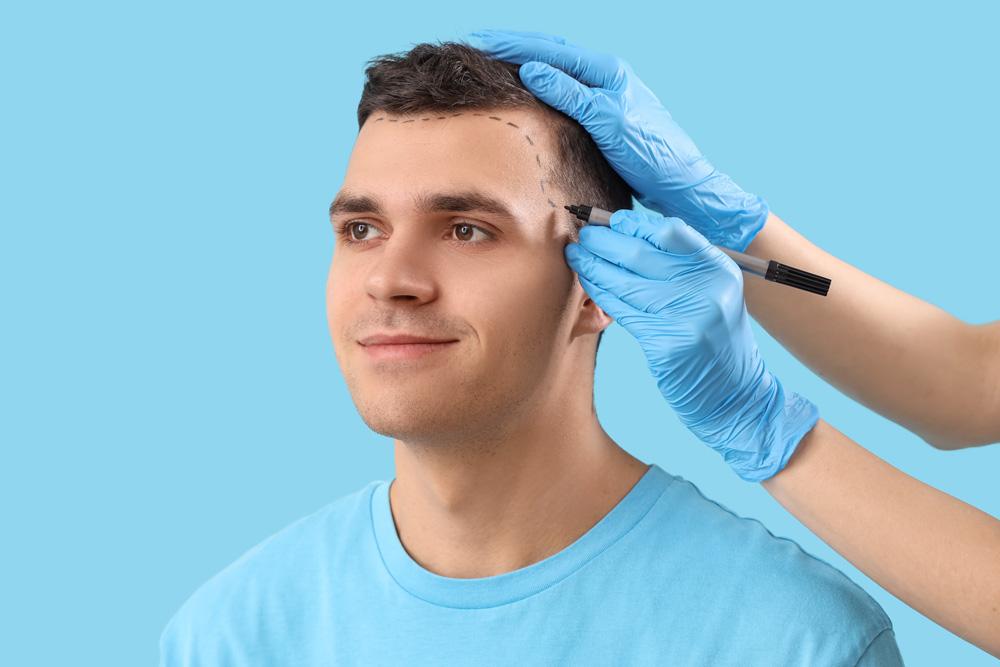

Hair loss is a common concern among men and women, affecting appearance, confidence, and overall well-being. However, not everyone experiences hair thinning for the same reasons. Genetics, hormonal changes, nutritional deficiencies, stress, medical conditions, and scalp problems can all contribute to hair loss. Since these factors differ from person to person, following the same treatment approach may not deliver suitable results for everyone. This is why a personalised hair loss treatment plan is important.
A customised treatment plan focuses on identifying the underlying cause of hair loss treatment in Islamabad, understanding individual hair restoration goals, and selecting suitable treatment options. Instead of relying on general solutions, patients receive recommendations based on their scalp condition, hair density, medical history, and treatment expectations.
Meta Description: Discover why a personalised hair loss treatment plan matters, including proper diagnosis, customised therapies, expert guidance, and long-term hair care.
Understanding the Importance of Personalised Hair Loss Treatment
Hair loss can develop gradually or appear suddenly, depending on its underlying cause. Some individuals experience a receding hairline, while others notice thinning around the crown or widespread shedding.
A personalised treatment plan helps address these differences through an individual assessment. It allows specialists to understand what is contributing to hair loss before recommending appropriate solutions.
Some common factors considered during treatment planning include:
-
Hair loss pattern: Identifying whether thinning affects the hairline, crown, temples, or entire scalp.
-
Family history: Understanding whether hereditary hair loss may be involved.
-
Scalp health: Checking for dandruff, inflammation, infections, or other scalp-related concerns.
-
Lifestyle factors: Considering stress, sleep patterns, nutrition, and daily hair care habits.
-
Medical background: Reviewing medications, hormonal changes, and existing health conditions.
This detailed approach helps create a treatment strategy that reflects the patient's actual needs rather than relying on assumptions.
Accurate Diagnosis Helps Identify the Root Cause
One of the biggest advantages of a personalised hair loss treatment plan is accurate assessment. Treating hair loss without understanding its cause can lead to ineffective results and unnecessary expenses.
For example, androgenetic alopecia (pattern hair loss) is different from telogen effluvium, which involves increased hair shedding and may be associated with stress, illness, or nutritional changes.
A qualified specialist may recommend:
-
Reviewing medical and family history.
-
Examining the scalp and existing hair density.
-
Assessing the pattern and progression of hair loss.
-
Considering blood tests when an underlying deficiency or medical issue is suspected.
-
Evaluating whether further dermatological assessment is necessary.
Once the possible cause is identified, the specialist can recommend an appropriate treatment direction. This makes the overall process more informed and helps patients understand what to expect.
Treatment Options Can Be Selected According to Individual Needs
Not every patient needs the same hair restoration procedure. A personalised plan considers the severity of hair loss, existing hair condition, age, medical suitability, and desired outcomes.
Depending on the diagnosis, suitable options may include:
PRP Hair Treatment
Platelet-Rich Plasma (PRP) therapy uses a concentrated component of the patient's own blood containing platelets. It is injected into selected scalp areas and may help improve hair density in certain patients. Results vary, and multiple sessions may be recommended.
Hair Transplant
Hair transplantation may be considered for individuals with suitable donor hair and stable patterns of hair loss. Techniques such as FUE (Follicular Unit Extraction) and FUT (Follicular Unit Transplantation) involve transferring hair follicles from donor areas to areas affected by thinning.
Exosomes Hair Therapy
Exosome-based hair therapies are promoted for their potential regenerative applications. However, evidence regarding their effectiveness and long-term safety for hair loss remains limited. Patients should discuss regulatory status, available evidence, and alternatives with a qualified professional.
Medical Hair Loss Management
Some patients may benefit from evidence-based medications, depending on their diagnosis and medical suitability. A specialist can explain potential benefits, side effects, and ongoing monitoring requirements.
The right option depends on individual circumstances, and not every treatment is suitable for every patient.
Personalised Plans Support Better Long-Term Hair Management
Hair restoration is not always a one-time process. Many forms of hair loss require continuous monitoring and maintenance to manage future thinning.
A customised plan establishes a long-term approach that may include:
-
Scheduled consultations to monitor progress.
-
Regular scalp and hair density assessments.
-
Adjustments to treatment based on individual response.
-
Guidance about nutrition and healthy lifestyle habits.
-
Recommendations for appropriate hair care products.
-
Maintenance sessions when clinically appropriate.
For example, someone experiencing early-stage hereditary hair loss may need a different maintenance strategy than someone recovering from temporary shedding.
Regular follow-ups also allow specialists to identify changes and modify recommendations when necessary.
Realistic Expectations Improve the Hair Restoration Experience
Another important reason to choose personalised hair loss treatment is the opportunity to understand realistic outcomes.
Many people expect immediate improvements after starting hair restoration. However, hair growth follows natural cycles, and visible changes generally require time.
A professional consultation helps patients understand:
-
How long a particular treatment may take to show results.
-
Whether existing hair can potentially become thicker.
-
If hair transplantation is a suitable option.
-
How many treatment sessions may be required.
-
Whether ongoing maintenance will be necessary.
It is equally important to understand that no treatment can guarantee complete hair regrowth. Results depend on the cause of hair loss, treatment suitability, individual response, and consistency.
Clear expectations help patients make informed decisions and avoid unrealistic promises.
Why Professional Consultation Matters Before Starting Treatment
Online remedies, unverified products, and general hair care advice may not address the actual cause of hair loss. Professional consultation provides an opportunity to receive guidance based on clinical assessment.
A qualified hair restoration professional can help patients understand the available options and identify treatments that align with their needs.
Before selecting a clinic, consider the following:
-
Qualifications and experience of the treating professional.
-
Availability of proper scalp and hair assessments.
-
Transparency about treatment procedures and costs.
-
Clear explanations of possible risks and limitations.
-
Availability of follow-up consultations.
-
Individualised recommendations rather than guaranteed results.
Choosing a professional approach can make the hair restoration journey more organised, informed, and suitable for long-term needs.
Exploring Personalised Hair Loss Treatment at SKN Cosmetics in Islamabad
Individuals looking for professional hair restoration guidance can explore treatment options at SKN Cosmetics in Islamabad. The clinic offers hair-related aesthetic services, including hair transplantation and other hair restoration options.
A consultation can help patients discuss their hair concerns, understand available procedures, and explore which approach may suit their condition. Depending on individual requirements, treatment discussions may include FUE hair transplantation, PRP hair therapy, and other available hair restoration services.
When considering a hair loss treatment plan, patients should discuss their medical history, scalp condition, expected outcomes, and potential risks with the treating professional.
The goal of an individualised approach is to help patients make informed decisions instead of choosing procedures based solely on popularity or general recommendations.
How to Maintain Healthy Hair During Treatment
Professional treatment can be supported by healthy daily habits. Although lifestyle changes cannot reverse every type of hair loss, they may contribute to overall hair and scalp health.
Consider these practical steps:
-
Maintain a balanced diet containing sufficient protein, iron, and essential nutrients.
-
Avoid excessive heat styling and harsh chemical treatments.
-
Use suitable hair care products according to your scalp type.
-
Manage stress through regular physical activity and adequate rest.
-
Avoid tight hairstyles that create repeated tension on hair follicles.
-
Follow professional recommendations and attend scheduled appointments.
If you notice sudden, severe, or patchy hair loss, seek medical assessment rather than relying on home remedies.
Conclusion
A personalised hair loss treatment plan is important because every individual has different hair concerns, underlying causes, and restoration goals. Proper diagnosis, suitable treatment selection, realistic expectations, and regular follow-ups create a more structured approach to managing hair loss. Whether someone needs medical hair loss management, PRP therapy, or a hair transplant, professional guidance helps identify an appropriate direction. For those exploring hair restoration options, consulting SKN Cosmetics in Islamabad can be a starting point for understanding available treatments and making informed decisions about their hair health.
Frequently Asked Questions (FAQs)
1. Why is a personalised hair loss treatment plan important?
It addresses individual hair loss causes, scalp conditions, and treatment requirements.
2. Can personalised treatment stop hair loss permanently?
Not always. Results depend on the underlying cause and individual response to treatment.
3. Which treatment is best for hair loss?
The best option depends on the diagnosis, hair condition, and medical suitability.
4. Is PRP suitable for everyone experiencing hair loss?
No. A professional assessment is necessary to determine whether PRP is appropriate.
5. When should I consult a hair restoration specialist?
Consult a specialist if you notice persistent thinning, excessive shedding, or sudden hair loss.


