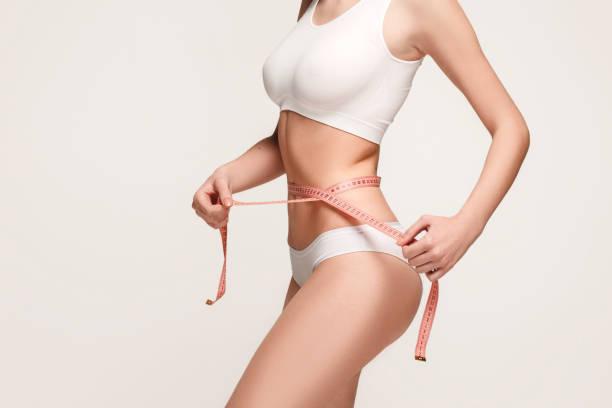
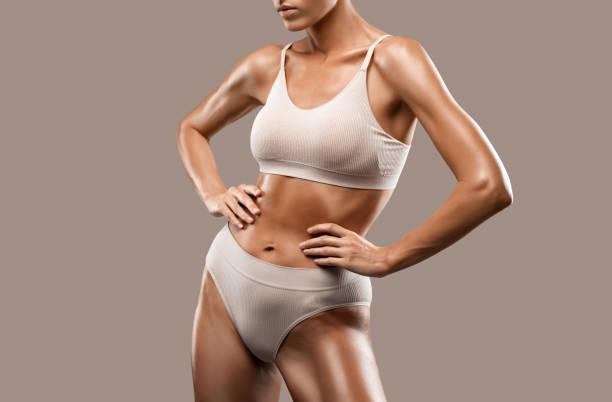
Liposuction is a powerful body contouring tool, but its success depends heavily on having realistic expectations. Many patients are drawn to dramatic before-and-after photos, but the reality is that this procedure is designed for refinement, not radical change. Liposuction in Riyadh It excels at removing small, stubborn pockets of fat that resist diet and exercise, creating a smoother, more proportionate silhouette rather than transforming your entire body type .
Understanding the Procedure's True Purpose
The most fundamental misconception about liposuction is that it is a weight-loss method. In reality, it is a sculpting procedure ideal for patients close to their goal weight . The focus is on improving contours and body proportions by targeting localized fat deposits in areas like the abdomen, flanks, thighs, and arms .
While patients may lose between 5 and 17 pounds on average, the scale often doesn't reflect the dramatic visual change . A patient might drop several pant sizes because fat was precisely removed from high-impact areas, even if total weight loss is modest . The goal is a more defined, balanced shape—a slimmer waist, flatter abdomen, or better muscle definition.
What to Expect from Your Results
A realistic before-and-after transformation is about improvement, not perfection . Liposuction enhances your natural shape and highlights existing muscle definition but does not tighten loose skin or remove cellulite . It can even make cellulite more noticeable if performed aggressively, as it doesn't address the connective tissue structure causing it .
Ideal candidates generally have good skin elasticity , which allows the skin to retract and conform smoothly to new contours . Younger patients or those with high skin "snap-back" often see the smoothest results . If skin laxity is a concern, additional skin-tightening procedures may be needed for optimal outcomes .
Understanding the Timeline: Patience is Key
The recovery timeline is a gradual process where patience is essential. While you will see an immediate change, initial results are often hidden by swelling, which peaks within the first week and can take months to fully resolve . Significant improvements become visible around 3 months post-surgery, with final, refined results typically taking 3 to 6 months to fully appear, as the body continues to heal and skin tightens . The final contours are often not visible until around the 6-month mark and can continue to refine for up to a year .
Protecting Your Investment Long-Term
The fat cells removed during liposuction are permanently eliminated and do not grow back . However, your body still has remaining fat cells that can expand if you gain weight. Significant weight gain can alter your contours and potentially even change your body shape, as new fat may accumulate in untreated areas . Maintaining a stable weight through a balanced diet and regular exercise is the most critical factor in preserving your new silhouette for years to come.
For those seeking expert guidance and customized aesthetic care, you can book an appointment consultation at the Enfield Royal Clinic .
Frequently Asked Questions
Will liposuction help me lose a lot of weight?
No. Liposuction is a body contouring procedure for removing small, stubborn fat pockets. It is not a weight-loss method and works best for those close to their ideal weight .
When will I see the final results of my liposuction?
While you'll see an immediate improvement, your final, sculpted results will take time. Significant swelling can last for months, with final contours typically appearing 3 to 6 months after the procedure .
Can liposuction fix loose or saggy skin?
No. Liposuction removes fat but does not significantly tighten skin. If you have poor skin elasticity, removing fat may make sagging more noticeable .
Is fat removal from liposuction permanent?
Yes, the fat cells removed are permanently gone. However, remaining fat cells can expand if you gain weight, so maintaining a stable weight is essential .
How much fat can be safely removed in one session?
Typically, between 1,000 cc and 6,000+ cc can be removed depending on the areas treated and safety guidelines . The focus is on safe, proportional contouring rather than maximizing volume.
 Russian
 English
 Romaian
 Portuguese (Brazil)
 Greek
Greek