Russian
 English
 Romaian
 Portuguese (Brazil)
 Greek
Greek

Introduction
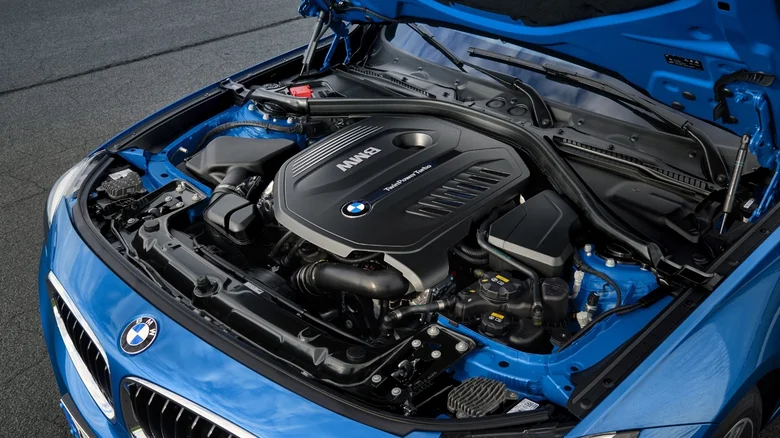
The name BMW is globally recognized as a symbol of luxury, performance, and engineering precision. One of the most important elements behind the brand's reputation is its advanced engine technology. BMW engines are designed to deliver a perfect balance of power, efficiency, and reliability. Over the decades, the company has developed numerous groundbreaking engine technologies that have set new standards in the automotive industry. From powerful inline-six engines to modern hybrid systems, BMW continues to lead the way in engine innovation.
This article explores the evolution, design philosophy, and technological advancements that make BMW engines among the most respected in the world.
The History of BMW Engines
BMW's journey in engine manufacturing began long before the company became famous for luxury cars. Originally founded in 1916, BMW first produced aircraft engines during the early 20th century. These engines were known for their efficiency and reliability, qualities that later influenced the design of BMW automobile engines.
After transitioning into automobile production in the late 1920s, BMW quickly gained recognition for its smooth and powerful engines. One of the company's most iconic designs was the inline-six engine, which became a signature feature in many BMW vehicles. Over time, the company expanded its engine lineup to include four-cylinder, six-cylinder, eight-cylinder, and even twelve-cylinder engines.
Today, BMW engines are used in a wide range of vehicles, from compact sedans to high-performance sports cars and luxury SUVs.
BMW Engine Design Philosophy
BMW follows a clear engineering philosophy when designing engines: performance, efficiency, and driving pleasure . Every BMW engine is developed with the goal of providing a dynamic and engaging driving experience.
One of the key aspects of BMW engine design is balance. Engineers carefully optimize engine components to reduce vibration and improve smoothness. This is especially noticeable in BMW's inline-six engines, which are widely praised for their naturally balanced design.
Another important principle is lightweight construction. BMW often uses advanced materials such as aluminum and magnesium in engine components to reduce weight and improve performance.
The Famous Inline-Six Engine
The inline-six engine has become one of BMW's most iconic technologies. Unlike many manufacturers that rely heavily on V-shaped engines, BMW has consistently developed and improved the inline-six configuration.
This engine layout offers several advantages. First, it provides excellent balance, which reduces vibration and enhances smoothness. Second, it allows for efficient power delivery across a wide range of speeds. As a result, BMW inline-six engines are known for their refined performance and strong acceleration.
Many enthusiasts consider BMW's inline-six engines to be among the best in the automotive industry.
TwinPower Turbo Technology
One of the most significant innovations in modern BMW engines is TwinPower Turbo technology . This system uses turbochargers to increase engine power while maintaining fuel efficiency.
TwinPower Turbo technology combines several advanced systems, including:
-
Turbocharging
-
High-precision fuel injection
-
Variable valve timing
-
Efficient combustion control
These technologies work together to deliver more power from smaller engines. This approach allows BMW vehicles to achieve impressive performance while reducing fuel consumption and emissions.
BMW M Performance Engines
High-performance BMW models developed by the BMW M division feature specially engineered engines designed for extreme power and speed. These engines are built with advanced materials and precision engineering techniques.
M performance engines often include features such as:
-
High-performance turbochargers
-
Reinforced engine components
-
Advanced cooling systems
-
Motorsport-inspired technology
These engines power some of BMW's most exciting vehicles, offering thrilling acceleration and exceptional driving dynamics.
Fuel Efficiency and Environmental Responsibility
In recent years, BMW has focused heavily on improving fuel efficiency and reducing environmental impact. The company has introduced several technologies to achieve these goals.
One of the most important initiatives is BMW EfficientDynamics , a program aimed at improving overall vehicle efficiency. This initiative includes advanced engine management systems, lightweight construction, and energy recovery technologies.
BMW has also invested heavily in hybrid and electric powertrains. While traditional engines remain important, the company is gradually integrating electric motors with combustion engines to create more sustainable mobility solutions.
Advanced Engine Technologies
BMW engines incorporate a wide range of innovative technologies designed to enhance performance and efficiency. Some of the most notable technologies include:
Variable Valve Timing (VANOS)
BMW's VANOS variable valve timing system adjusts the timing of the engine's intake and exhaust valves. This improves engine efficiency, increases power output, and reduces fuel consumption.
Valvetronic System
The BMW Valvetronic system controls valve lift electronically, allowing the engine to regulate airflow without relying heavily on the throttle. This results in smoother performance and improved fuel efficiency.
Direct Fuel Injection
BMW engines also use advanced direct fuel injection systems. These systems deliver fuel directly into the combustion chamber, allowing for more precise fuel control and improved engine performance.
Reliability and Maintenance
BMW engines are built with precision engineering and high-quality materials. However, like any advanced mechanical system, they require regular maintenance to ensure long-term reliability.
Routine maintenance tasks include:
-
Regular oil changes
-
Cooling system checks
-
Air filter replacement
-
Fuel system maintenance
When properly maintained, BMW engines can provide many years of reliable performance. Many BMW vehicles are known to exceed high mileage while maintaining strong engine performance.
The Future of BMW Engines
The future of BMW engines is closely connected to the global shift toward electrification and sustainable transportation. While internal combustion engines will continue to play an important role, BMW is investing heavily in hybrid and fully electric technologies.
Modern BMW vehicles are increasingly combining traditional engines with electric motors to create hybrid systems that offer both power and efficiency. At the same time, the company continues to refine combustion engines to make them cleaner and more efficient.
BMW's commitment to innovation ensures that its engines will remain at the forefront of automotive technology.
Conclusion
BMW engines represent a perfect blend of engineering excellence, advanced technology, and performance-focused design. From the legendary inline-six engine to modern TwinPower Turbo systems, BMW has consistently developed engines that deliver outstanding driving experiences.
With a strong commitment to innovation and sustainability, BMW continues to push the boundaries of engine technology. Whether in traditional combustion engines or modern hybrid systems, BMW engines remain a key reason why the brand is respected by drivers and automotive enthusiasts around the world.
For more information .