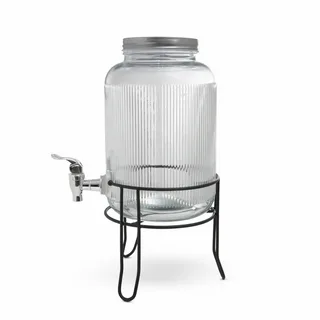
Beverage Dispenser Market Ecosystem Shaped by Manufacturers, Suppliers, End-Users, and Service Providers
Other |
2026-04-30 06:33:50
 Russian
 English
 Romaian
 Portuguese (Brazil)
 Greek
Greek
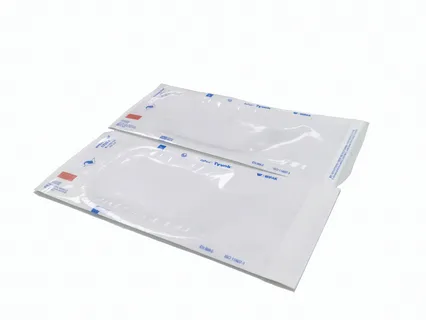
Medical packaging has a pretty important job. It is not simply about putting a medical device inside a pouch, tray, or bag and sending it out the door. Medical Package Testing helps manufacturers and healthcare-related businesses determine whether packaging can protect its contents throughout handling, storage, transport, and the intended shelf life. When sterile packaging performs as expected, businesses can have greater confidence that products reach users in suitable condition.
For UK manufacturers, Medical Package Testing can be an important part of developing and maintaining dependable sterile packaging systems. Packaging may face vibration, compression, temperature changes, humidity, handling, and transportation before it reaches its final destination. A package that looks perfect on the outside may still have a weak seal or small defect that could compromise its protective function. Testing provides useful evidence instead of leaving packaging performance to chance.
Why Medical Package Testing Matters for Healthcare Products
The purpose of Medical Package Testing is to assess whether a packaging system can perform its intended protective function. Medical devices often require packaging that helps maintain sterility until the package is opened at the point of use. If the packaging fails prematurely, the product may no longer provide the expected level of protection. For manufacturers, that can lead to waste, customer concerns, product recalls, or costly investigations.
Reliable Medical Package Testing also gives businesses a clearer picture of how their packaging behaves under different conditions. Rather than relying only on visual inspection, manufacturers can use appropriate testing techniques to identify weaknesses that may not be immediately obvious. This can make the packaging development process more evidence-based and help businesses make smarter decisions about materials, seals, production settings, and packaging designs.
Sterile Medical Packaging Validation and Reliability
Medical Package Testing plays a valuable role in Sterile medical packaging validation, where manufacturers need evidence that their packaging system is capable of maintaining its intended performance. Validation is not simply about proving that a package works once. It involves establishing confidence that the selected materials, sealing process, design, and manufacturing conditions can consistently produce the expected result.
With Medical Package Testing, businesses can examine different aspects of a packaging system before committing to large-scale production. This approach can be especially useful when introducing a new medical device, changing packaging materials, modifying a sealing process, or reviewing an existing package design. Catching potential issues early can save money compared with discovering packaging failures after products have already entered distribution.
Medical Device Packaging Integrity Testing
One of the key areas covered by Medical Package Testing is Medical device packaging integrity testing. Packaging integrity refers to the package's ability to maintain its protective barrier without unacceptable leaks, holes, channels, or other defects. Even a tiny defect can potentially affect the protective performance of sterile packaging, which is why integrity assessment deserves careful attention.
Through Medical Package Testing, manufacturers can investigate whether packaging remains intact after sealing and after relevant environmental or transportation challenges. Depending on the package design, testing may involve appropriate leak detection or integrity assessment techniques. The exact approach should reflect the packaging materials, device, intended use, and applicable requirements rather than using a one-size-fits-all testing strategy.
Supporting ISO 11607 Compliance Testing Procedures
For organisations working with sterile medical devices, Medical Package Testing can support ISO 11607 compliance testing procedures. ISO 11607 is widely associated with packaging for terminally sterilised medical devices and addresses requirements related to materials, sterile barrier systems, and packaging systems. Businesses need to determine which requirements and testing approaches apply to their particular products and processes.
Using Medical Package Testing as part of a structured quality programme can help manufacturers generate documented evidence about packaging performance. This documentation can be valuable during internal quality reviews and regulatory activities. It also helps teams understand why particular packaging materials, sealing parameters, and testing methods were selected instead of simply assuming that a package is suitable because it has worked in the past.
Package Seal Strength and Burst Testing
The seal is one of the most important areas examined through Medical Package Testing. Package seal strength and burst testing can provide information about how effectively a sealed package withstands forces that may occur during manufacturing, handling, storage, or transportation. A seal that is too weak may open or separate, while a poorly controlled process can create other packaging concerns.
Effective Medical Package Testing can help manufacturers identify suitable sealing conditions and monitor whether the production process remains consistent. Seal performance can be influenced by factors such as temperature, pressure, dwell time, material combinations, and equipment condition. Understanding these variables can help businesses avoid unnecessary material waste and reduce the risk of inconsistent packaging performance.
Sterility Assurance Packaging Testing Methods
Another important area of Medical Package Testing involves Sterility assurance packaging testing methods. The goal is to assess whether the sterile barrier system can provide the intended level of protection throughout the relevant product life cycle. Packaging performance should be considered alongside sterilisation, handling, storage, transportation, and opening requirements.
When Medical Package Testing is planned properly, businesses can select testing methods that are appropriate to their packaging system and intended application. This is important because different package formats can behave differently. A pouch, tray, blister, or other sterile barrier system may require different assessments. Testing should therefore be connected to the actual risks and characteristics of the product rather than treated as a box-ticking exercise.
How Testing Can Help Control Packaging Costs
For price-conscious UK businesses, Medical Package Testing can seem like another expense at first glance. However, testing can help identify packaging problems before they become expensive production or customer issues. Failed batches, rejected products, damaged shipments, investigations, and rework can quickly cost much more than a well-planned testing programme.
With Medical Package Testing, manufacturers can make decisions based on actual performance data. If a packaging material is unnecessarily expensive but offers no meaningful benefit for the application, testing may help the business investigate alternatives. Likewise, if a low-cost material consistently produces unreliable seals, testing can highlight the issue before it creates larger operational headaches. In short, the cheapest packaging option is not always the most cost-effective one.
Choosing Suitable Medical Package Testing Support
Selecting the right provider for Medical Package Testing requires more than comparing prices. UK businesses should consider the provider's testing capabilities, experience, documentation practices, equipment, understanding of medical packaging requirements, and ability to explain results clearly. A reliable testing partner should help clients understand what a test demonstrates and where its limitations may lie.
Businesses such as vanderstahl can be part of the conversation when manufacturers are looking for dependable packaging-related testing and equipment solutions. For companies that care about both cost and reliability, the focus should be on obtaining useful technical information that supports better packaging decisions. Clear communication is especially important when test results need to be shared between packaging engineers, quality teams, production staff, and regulatory professionals.
Building Long-Term Packaging Confidence
Consistent Medical Package Testing should not necessarily be viewed as a one-time activity. Packaging processes can change over time. Materials may be replaced, sealing equipment may be adjusted, production volumes may increase, or suppliers may change. Each change can potentially affect packaging performance, so businesses need a sensible approach to evaluating when additional testing is appropriate.
Regularly reviewing Medical Package Testing results can also help manufacturers identify patterns. If seal strength begins to vary, for example, the data may encourage a closer look at equipment settings, materials, operator practices, or production conditions. This type of proactive approach can help businesses address problems before they turn into major quality issues.
Conclusion: Reliable Packaging Starts With Evidence
Reliable sterile packaging is a critical part of protecting medical devices and supporting confidence throughout the healthcare supply chain. Medical Package Testing gives UK businesses a practical way to evaluate packaging integrity, seal performance, validation requirements, and sterility-related protective functions. Instead of relying on appearance or assumptions, manufacturers can use appropriate testing to understand how their packaging performs.
Ultimately, Medical Package Testing can support better decisions about packaging design, materials, sealing processes, compliance, and long-term quality. For businesses seeking a balance between dependable performance and sensible costs, investing in appropriate testing can provide valuable insight and reduce avoidable risks. With the right testing strategy and support from experienced specialists such as vanderstahl, UK medical packaging businesses can work towards more reliable sterile packaging systems and stronger confidence in their products.