Russian
 English
 Romaian
 Portuguese (Brazil)
 Greek
Greek

Boxing Up Sweet Things: What Chocolatiers and Bakers Should Know About Packaging
Custom Chocolate Packaging Boxes need to protect delicate shapes, hold back heat and look beautiful on a gift table. Custom bakery packaging boxes have a different job, since they must handle grease, moisture and soft textures while still looking appetizing. Both formats shape how customers judge your product before the first bite.
Food Packaging Is a Promise
Anyone who sells treats knows the feeling of watching a customer pick up a box. Before they taste anything, they are judging. A crisp, well made box says the contents were made with care. A flimsy or messy one suggests the opposite, even if the recipe is wonderful.
There is research behind that instinct. A survey by Ipsos for Shorr Packaging found that 72 percent of American consumers said package design influences their purchase decisions. For food brands, where trust and appearance matter so much, that number is a good reminder that the box is part of the product.
Chocolate: Small, Fragile and Sensitive to Heat
Protecting the Shape
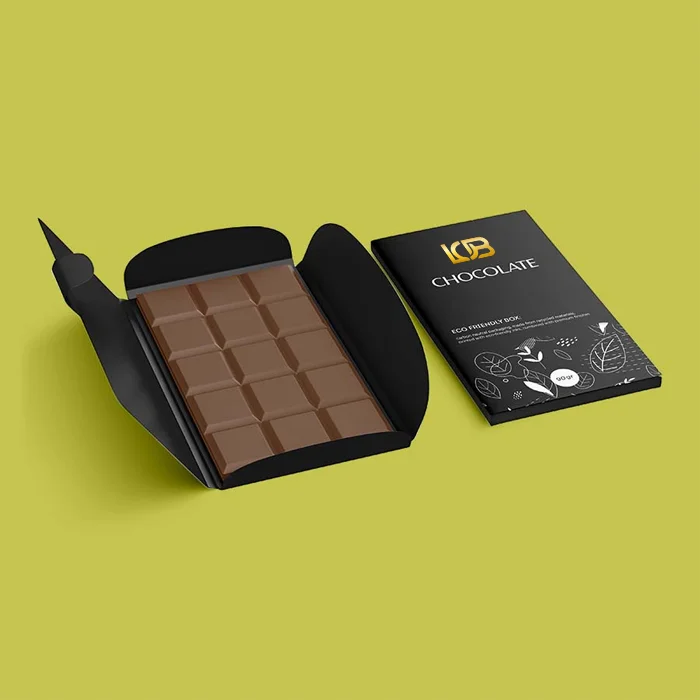
Chocolates are often tiny works of art. Pralines, truffles and filled bonbons can scuff, crack or smear if they bump into each other. That is why Custom Chocolate Packaging Boxes usually include dividers, paperboard trays or molded inserts that keep each piece in its own space. A snug fit also stops the box from rattling, which helps it feel substantial when someone picks it up.
Keeping Temperature Under Control
Chocolate softens and blooms when it gets warm. A rigid or thick paperboard box gives some insulation, and a sleeve or outer carton adds another layer. If you ship in warm months, consider adding a cold pack or choosing a shipping method with faster delivery. Test your packaging with real parcels in real weather before you commit to a big order.
Gift Appeal
Chocolate is one of the most gifted foods in the world, so presentation carries extra weight. Ribbon pulls, magnetic closures, window cutouts and foil stamping all help a box feel like a present. Many brands also design a reusable box that customers keep for jewelry or keepsakes, which keeps the brand visible long after the last piece is gone.
Bakery: Fresh, Soft and Sometimes Messy
Dealing with Grease and Moisture
Pastries, cookies and cakes release oils and steam, and an unprepared box can show greasy spots within minutes. Choose a food safe board with a grease resistant lining or coating, and ask your supplier about vent holes for items that need to breathe. Croissants and flaky pastries lose their crunch quickly if steam is trapped inside.
Structure for Soft Items
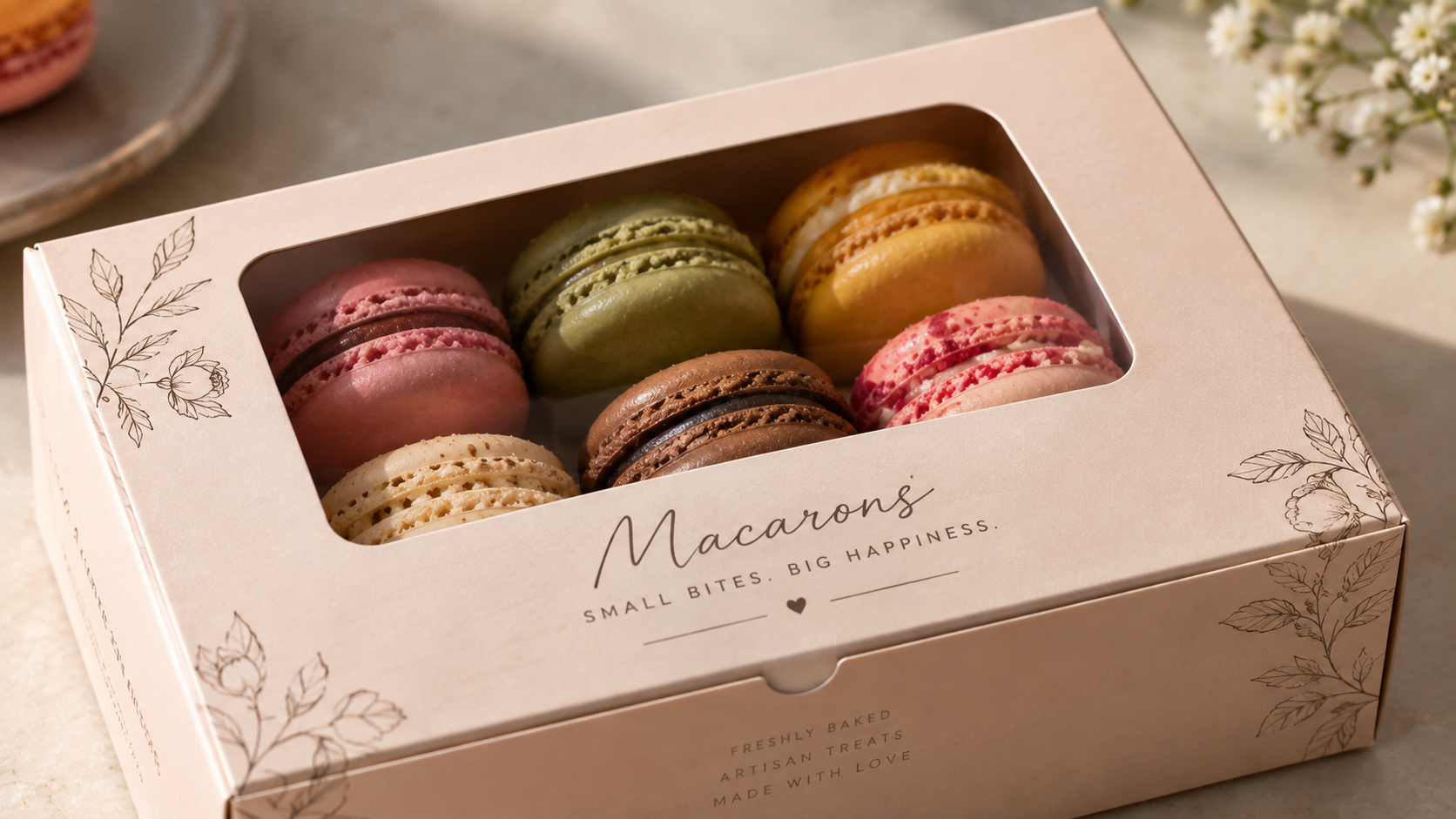
Cakes and layered desserts need boxes with sturdy walls and a firm base so they do not slide or collapse. Cupcakes benefit from inserts that hold each one upright. Custom bakery packaging boxes with a window let shoppers see the product, which can be a strong selling point at a counter or farmers market. Just make sure the window film is food safe and does not fog up.
Easy Handling
Bakery customers are often carrying their box through a store, a car park or a train station. Handles, lock tabs and tuck flaps that stay closed make a real difference. A box that opens in someone’s hands is a lasting bad memory, however good the cake inside.
What the Two Have in Common
Despite their differences, the two types of packaging share several priorities:
- Food safe materials: Anything touching the product should meet the food contact standards in your region.
- Brand consistency: Colors, logo placement and tone should match your shop, website and social media.
- Right sizing: Extra empty space lets items shift, while a tight box can crush delicate decoration.
- Clear information: Space for ingredients, allergens and best before details helps with compliance and trust.
- Sustainability: Recyclable board and soy based inks appeal to customers who care about waste.
Choosing a Style and a Supplier
Start With Your Best Seller
Design the packaging around the product that sells the most, then adapt it for the rest of your range. A single consistent structure with small variations in size or insert keeps costs down and makes your brand easier to recognize.
Ask for Samples and Be Honest About Volume
Order a sample, fill it with your actual product and leave it overnight. Check for grease, bending and any smell from inks or glue. Be open with suppliers about how many boxes you plan to order each season, because minimums and pricing vary a lot between manufacturers.
Think About Seasonal Peaks
Holidays, weddings and special days bring sudden spikes in demand. Plan ahead so you are not rushing production when it matters most, and consider a seasonal sleeve or sticker that updates a standard box without a full reprint.
Common Questions
What material works best for chocolate boxes?
Rigid board and strong folding cardboard are the most popular choices. Rigid boxes feel more luxurious, while folding cartons are lighter and more cost effective. Pair either with a food safe insert.
Do bakery boxes need to be grease resistant?
For items such as pastries, donuts and cookies, yes. A grease resistant lining or coating keeps the box looking clean and prevents oil from soaking through to the outside.
Can I print my logo on small orders?
Many suppliers offer digital printing, which suits smaller runs. Offset printing is usually more economical at higher volumes. Ask for quotes at several quantities to compare.
Final Thoughts
Sweet products deserve packaging that protects them and shows them off. Whether you are wrapping truffles or a tray of fresh pastries, the best box balances protection, appearance and practicality. Test samples with your real products, check how they behave in transit, and choose a design that makes customers smile before they even lift the lid.