Rig and Oil Field Market Research Report: Industry Analysis and Market Forecast
Other |
2026-07-15 14:18:41
 Russian
 English
 Romaian
 Portuguese (Brazil)
 Greek
Greek
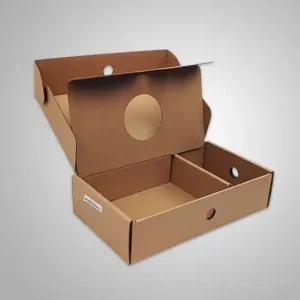
Custom carton boxes can help customers recognize a business before they even see the product inside. The colors, logo placement, typography, and overall package design create visual cues that connect a product with its brand. When these elements remain consistent across different products and sales channels, customers have more opportunities to remember the business.
For companies selling cosmetics, food, electronics, apparel, retail goods, or gifts, carton packaging is more than a container. It is also a practical surface for communicating brand identity. A well-planned design can make products easier to identify on retail shelves, distinguish them from competing items, and create a familiar appearance across a product range.
Brand recognition develops when customers repeatedly see and remember the same visual elements. Custom carton boxes provide a physical space for these elements, including logos, brand colors, fonts, patterns, and product names.
A business does not need an elaborate design to become recognizable. A simple layout can work well when its main elements are easy to identify and remain consistent across packaging.
For example, a skincare brand might use the same logo position, typography, and background color across its facial cleanser, moisturizer, and serum cartons. Each product can have a different label color or product name while maintaining a shared visual identity.
This approach helps customers connect individual products with the same company instead of viewing them as unrelated items.
Businesses often sell products in different sizes or categories. Without a consistent packaging system, each product may look unrelated to the others.
Custom carton boxes allow companies to establish common design rules for an entire product range. These rules might include logo placement, font selection, color combinations, spacing, and the arrangement of product information.
Consistency does not mean every carton must look identical. A business can keep its main brand elements while adjusting the design to suit different products.
For instance, an electronics company might use a consistent logo and layout across packaging for headphones, chargers, and accessories. Product names and images can change according to the item, while the overall design remains recognizable.
This makes it easier to expand a product line without losing visual consistency.
Retail shelves often contain products from several competing brands. Customers may make quick decisions based on packaging appearance, familiar logos, product names, and readable information.
Custom carton boxes give businesses control over how their products appear in these environments. The design can use a clear hierarchy, placing the brand name and product category where customers can find them easily.
Color can also help organize a product range. A food company, for example, might use different colors to identify flavors while keeping the same logo and layout across all cartons.
However, adding too many colors, graphics, and messages can make the package difficult to read. A focused design with a clear visual order is generally easier for shoppers to recognize.
The logo is one of the most important elements of brand recognition. If it is too small, poorly positioned, or surrounded by competing graphics, customers may overlook it.
Custom carton packaging allows businesses to decide where the logo appears and how much space it receives. The logo should be visible without interfering with essential product information.
Its placement should also remain reasonably consistent across different carton sizes. When customers repeatedly see the logo in a familiar position, they have a better chance of associating it with the company.
Before printing, businesses should check that the logo remains clear at the actual packaging size. Small details that look sharp on a computer screen may become difficult to read when printed on a compact carton.
Color can influence how customers identify and distinguish products. When a brand consistently uses a particular color palette, those colors can become part of its visual identity.
Custom carton boxes make it possible to apply brand colors across different products and packaging formats. A company might use two main colors throughout its range and introduce a third color to distinguish a special product or category.
The important point is consistency rather than complexity. A package should not use every available color simply to attract attention.
Businesses should also consider how colors appear on the selected material. Printed colors can look different depending on the board surface, ink, and finishing process. Reviewing a physical sample can help confirm whether the result matches the intended brand appearance.
Fonts influence how packaging looks and how easily customers can read it. A modern technology brand may use clean, simple typography, while a handmade gift business may choose a more decorative style.
Custom carton boxes allow businesses to select fonts that suit their identity while keeping product information readable.
A practical approach is to use one typeface for headings and another for supporting information, or to use different weights of the same font family. This creates a clear distinction between the brand name, product title, instructions, and other details.
Decorative fonts should be used carefully, especially for small text. If customers struggle to read the product name or important information, the design may become less effective.
Printing techniques and surface finishes can help distinguish carton packaging from standard, unprinted boxes. Options may include matte or gloss coatings, foil details, embossing, debossing, and spot UV.
These features work best when they support the brand's visual identity. A premium gift brand might use foil on its logo, while a minimalist cosmetics company may prefer a simple matte surface with limited graphics.
Not every carton needs a special finish. Standard printing can communicate a brand effectively when the layout, colors, and typography are well planned.
Businesses should compare finishing options with their budget, order quantity, product type, and intended sales environment. Selecting only the features that contribute to the design can help avoid unnecessary production costs.
Brand recognition is not only about visual appearance. Customers also need to understand what a product is and why it belongs to a particular category.
Carton packaging can display product names, descriptions, sizes, ingredients, instructions, and other relevant details. The exact information depends on the product and the market in which it is sold.
Organizing this information clearly can make a package easier to understand. The brand name and product category should be easy to locate, while supporting details can appear in a secondary position.
For example, a tea brand might use a consistent logo and layout across its cartons while displaying the tea variety, net weight, and brewing guidance for each product.
Clear information also helps businesses avoid relying on decorative graphics alone to explain what they sell.
Packaging also contributes to the customer experience when products are purchased online. Customers may first encounter the brand through a website, marketplace listing, or social media post before receiving the physical product.
Custom carton boxes can maintain a connection between the online presentation and the delivered item. Using similar colors, logos, and product names helps customers recognize that the package belongs to the brand they ordered from.
For e-commerce businesses, carton dimensions and strength should be considered alongside the printed design. The package may need an additional shipping box or protective materials, depending on the product and delivery conditions.
Businesses should also check how the carton looks when photographed. A clear logo and uncluttered design can make packaging easier to identify in product photographs and customer-generated content.
Opening a package is another opportunity for customers to interact with a brand. A carton that opens easily, keeps the product arranged properly, and presents information in a logical order can create a more organized experience.
The design should match the product rather than add unnecessary layers. A small accessory may need a simple folding carton, while a gift item might benefit from a more structured presentation.
Inside printing, a short brand message, or an organized product insert may be useful when these elements serve a clear purpose. They should not make the packaging difficult to open or create unnecessary material waste.
A positive experience can encourage customers to remember the brand, although repeat purchases also depend on product quality, price, service, and other factors.
The packaging material affects the carton’s appearance, print quality, and performance. Different grades of paperboard are suitable for different product weights and handling requirements.
Paperboard is commonly used for retail cartons because it offers a printable surface and can be cut and folded into different shapes. Heavier products or items requiring additional protection may need a stronger carton structure or separate protective packaging.
Kraft-style materials may suit brands that prefer a natural visual style, while coated boards can support detailed graphics and particular finishing options.
Material selection should be based on the product, storage conditions, shipping needs, and desired presentation. A carton that looks good but does not suit the product can create practical problems after purchase.
A brand may sell through its own website, retail stores, distributors, and online marketplaces. Different sales channels can create packaging challenges because products may be displayed or handled in different ways.
A consistent carton design helps maintain the same basic brand identity across these channels. The package may need minor changes for size, shipping, or retailer requirements, but the main visual elements can remain familiar.
Businesses can create packaging guidelines covering logo use, approved colors, font styles, product naming, and information placement. These guidelines help designers and suppliers produce cartons that follow the same visual system.
This becomes particularly useful as the business adds new products or works with multiple packaging suppliers.
Good packaging design requires more than selecting colors and placing a logo on a template. Businesses should consider the carton dimensions, product fit, printing requirements, assembly method, and expected handling conditions.
Before placing a large order, review a physical sample whenever possible. Check the logo size, color accuracy, readability, folding lines, closure, and overall appearance.
It is also useful to place the sample beside competing products or photograph it in the intended retail setting. This can reveal whether the brand name is visible and whether the design remains clear at a normal viewing distance.
For businesses with multiple products, testing one design across different carton sizes can help identify adjustments needed before the full packaging range is produced.
Custom carton boxes can support brand recognition by giving businesses a consistent way to present their products. Logos, colors, typography, product information, and printing choices all contribute to how customers identify a brand.
The most effective packaging design is not necessarily the most complicated. It is one that fits the product, communicates information clearly, and maintains a recognizable appearance across different sizes and sales channels.
By planning a consistent visual identity, selecting suitable materials, and checking samples before production, businesses can create carton packaging that customers can identify and associate with their products over time.