Cyber Insurance Market: Advanced Technologies Strengthen Underwriting and Claims Management
Home |
2026-08-18 05:52:58
 Russian
 English
 Romaian
 Portuguese (Brazil)
 Greek
Greek
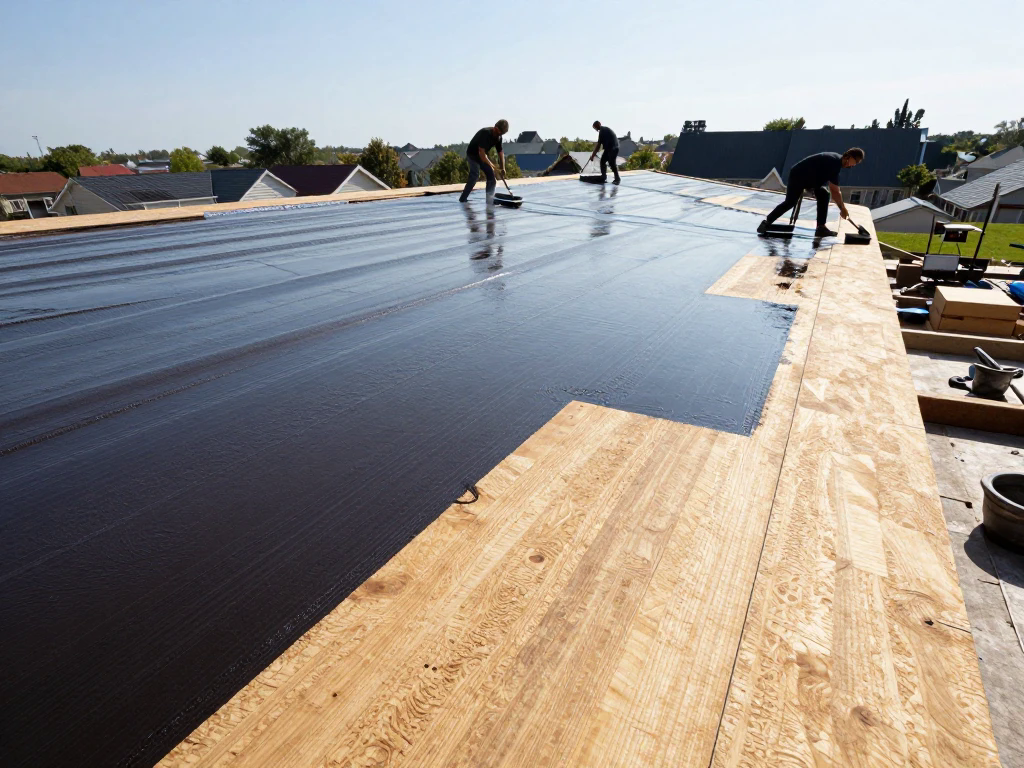
Waterproofing problems can develop quietly beneath roofs, terraces, balconies, and concrete surfaces before visible damage appears inside a property. Moisture entering through small gaps or poorly sealed joints may gradually affect plaster, insulation, concrete, and decorative finishes. Selecting the right waterproofing system helps reduce these risks while supporting the long-term condition of the building. Different structures require different materials, installation methods, and levels of protection, so choosing a solution based on the actual site conditions is essential.
A membrane waterproofing company in UAE should understand how to match waterproofing materials with the building's design, exposure, and drainage requirements. With proper preparation and careful installation, a membrane system can help protect vulnerable surfaces from unwanted water penetration.
Membrane waterproofing creates a protective layer over a prepared surface to prevent water from passing into the underlying structure. Depending on the project, the membrane may be supplied in rolls or applied as a liquid that cures into a continuous coating.
Sheet membranes are often used for large roof areas and selected below-ground applications. Liquid-applied membranes can be useful on compatible surfaces with complicated shapes, corners, and numerous penetrations.
Although the materials differ, both approaches depend on correct application. A waterproofing layer must connect properly around joints, edges, drains, and pipes to reduce the possibility of water finding a weak point.
Buildings across the UAE may experience strong sunlight, high temperatures, humidity, dust, and occasional heavy rainfall. These conditions can place demands on exposed roofs and other building surfaces, particularly when the existing waterproofing is damaged or drainage is inadequate.
Water can enter through cracks, construction joints, roof outlets, and poorly sealed penetrations. Once moisture moves into the building, it may cause damp patches, peeling paint, damaged ceilings, or deterioration of other materials.
Membrane waterproofing helps create a barrier against this moisture. However, its effectiveness also depends on the condition of the substrate, the suitability of the selected material, and the quality of the installation.
Membrane systems can serve several purposes across residential, commercial, and industrial properties.
Flat roofs need reliable waterproofing because water must move toward drainage outlets without entering the structure. A suitable membrane can cover broad surfaces while connecting to parapet walls, drains, and service penetrations.
The final arrangement depends on whether the roof will remain exposed or receive an additional finish.
Terraces and balconies experience moisture from rainfall, cleaning, and everyday use. Waterproofing beneath tiles or screed helps protect the concrete below, provided the membrane is correctly detailed and protected during finishing work.
Below-ground structures may encounter soil moisture or groundwater. Their waterproofing requirements depend on the construction method, expected water exposure, and the need to protect the membrane from damage during backfilling.
Podiums frequently sit above parking areas, shops, or occupied spaces. Leakage through these structures can affect the areas beneath them, making joint treatment, drainage, and membrane continuity particularly important.
Planter boxes contain soil and irrigation water that can keep surfaces damp for extended periods. A suitable waterproofing layer, combined with effective drainage and protection, helps prevent moisture from entering the surrounding structure.
Choosing the correct system requires more than selecting a familiar product. Each membrane has characteristics that make it suitable for particular conditions.
Modified bitumen membranes are supplied in sheets and can provide a substantial waterproof barrier for suitable concrete roofs, terraces, and selected foundation applications.
The installation must account for sealed overlaps, corners, edges, and penetrations. The membrane specification should also match the exposure conditions and whether a protective layer will be installed above it.
Liquid-applied systems form a continuous layer after application and curing. They can be useful around complex shapes and detailed surfaces where a seamless finish is desirable.
Correct substrate preparation, application thickness, curing conditions, and reinforcement at specified locations all influence the finished system's performance.
Cement-based waterproofing materials may be appropriate for certain concrete surfaces and wet-area applications. Their suitability depends on the structure, water exposure, and requirements of the finishing materials.
A professional assessment helps determine which method is appropriate instead of applying the same product throughout a property.
The quality of the finished system depends on several connected stages.
Surface preparation: Dust, loose particles, deteriorated coatings, and other contaminants should be removed as required. Damaged concrete and unsuitable surface conditions must be addressed before application.
Crack and joint treatment: Cracks, construction joints, expansion joints, and changes in direction require suitable detailing. The repair method should account for the location and expected movement.
Correct membrane application: The membrane should be installed according to the selected system's requirements. Sheet overlaps, coating coverage, and connections around penetrations need particular attention.
Drainage coordination: Water should have a suitable route toward drainage outlets. Blocked drains and areas of repeated water accumulation can undermine an otherwise carefully installed system.
Protective finishing: Where the membrane will be covered, suitable protection can help prevent punctures and damage caused by tiles, screed, soil, equipment, or construction activities.
Selecting a contractor is an important decision because waterproofing defects can remain concealed until damage becomes visible elsewhere in the building.
Start by looking for a company that inspects the surface before recommending a solution. A clear assessment should explain the likely source of leakage, the condition of existing materials, and the work required to prepare the area.
Ask how the proposed system will handle drainage outlets, wall junctions, pipe penetrations, and movement joints. These details often require more attention than the main surface.
It is also helpful to request a written scope of work that identifies the proposed material, preparation process, installation method, protection arrangements, and applicable warranty terms. This makes it easier to understand the work being offered and compare different proposals fairly.
Every waterproofing project has its own requirements. A residential terrace may need a different system from a commercial roof, underground structure, or landscaped podium.
Gsw Technical Works can be considered when planning a project that requires membrane waterproofing, surface preparation, drainage coordination, and attention to vulnerable areas. The appropriate solution should be based on an assessment of the property rather than an assumption that one material will suit every surface.
A carefully planned installation can help reduce recurring leakage and make future maintenance easier to manage.
Existing waterproofing may need inspection when property owners notice damp ceiling patches, peeling paint, water stains, damaged membrane edges, recurring puddles, or moisture around drains and service penetrations.
White mineral deposits on concrete or masonry can also indicate moisture movement. However, these symptoms do not always reveal the precise entry point because water may travel through different building layers.
If leakage returns after repeated repairs, examining the wider waterproofing system may be more useful than treating the same visible area again.
Regular maintenance helps identify potential problems before they develop into more extensive damage. Keep accessible drainage outlets clear, inspect exposed membrane surfaces for punctures, and investigate new cracks or areas where water repeatedly collects.
Care should also be taken during rooftop maintenance, equipment installation, and landscaping work. Drilling or moving heavy materials can damage a waterproofing layer that was previously in good condition.
If the membrane is concealed beneath tiles, soil, or screed, investigate signs of moisture in the surrounding structure rather than assuming the visible finish is the source.
The best option depends on the building's structure, exposure, drainage, movement, and final finish. Modified bitumen, liquid-applied, and cementitious systems may suit different applications, so selection should follow a proper assessment.
Yes, membrane waterproofing may resolve a roof leak when the source is correctly identified and the repair system is suitable. Damaged surfaces, poor drainage, and defective joints may need attention before the new membrane is installed.
Yes. New projects can incorporate waterproofing into the original construction design, while existing buildings may require localized repairs, an approved overlay, or replacement of deteriorated materials.
Choosing a suitable waterproofing system is an important step in protecting a building from moisture-related damage. A membrane waterproofing company in UAE should consider the structure, surface condition, water exposure, drainage, and final use of the area before recommending a solution. Whether the project involves a rooftop, terrace, balcony, basement, podium, or planter box, proper preparation and detailed installation are essential. By combining the right membrane with suitable drainage, protection, and regular inspection, property owners can establish a more dependable approach to long-term building maintenance.