RegTech Market Size, Trends Analysis and Forecast by 2032
Other |
2026-07-02 08:01:57
 Russian
 English
 Romaian
 Portuguese (Brazil)
 Greek
Greek
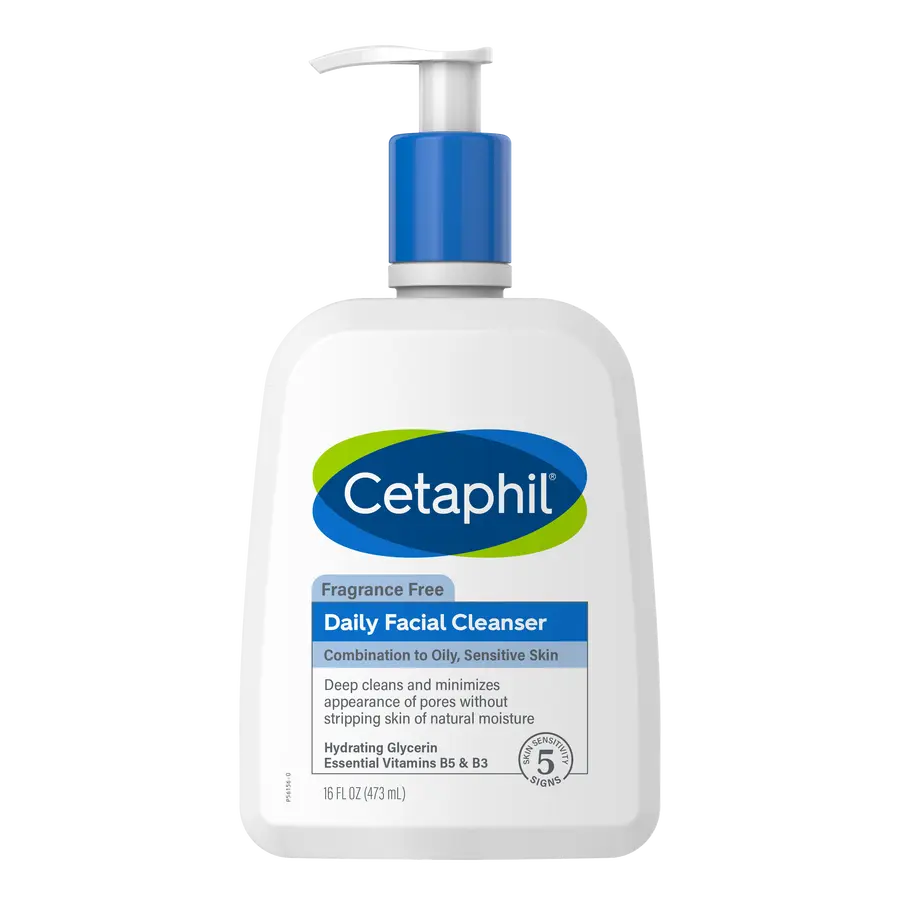
Washing your face or body should not leave your skin burning, tight, or itchy. For people with eczema, though, the wrong cleanser can trigger a flare within minutes.
Eczema-prone skin has a weakened barrier. It loses water easily and reacts to ingredients that most people tolerate well. That is why cleansers for eczema need to be gentler than ordinary soaps and face washes. This guide explains what to look for, what to avoid, and how to cleanse in a way that keeps your skin comfortable.
Quick Answer
What is the best type of cleanser for eczema? The best cleansers for eczema are soap-free, fragrance-free, and pH-balanced, with a creamy or oil-based texture. Look for ingredients like glycerin, ceramides, and colloidal oatmeal. Use lukewarm water, keep washing short, and moisturize within three minutes afterward.
Definition: Eczema, also called atopic dermatitis, is a common skin condition that causes dry, itchy, inflamed skin because of a weakened skin barrier.
Cleansing removes dirt, sweat, and allergens that can sit on the skin and worsen irritation. But regular soaps and foaming washes strip away natural oils, which eczema-prone skin cannot afford to lose.
The goal is balance. A good cleanser removes what needs to go while leaving the skin’s protective layer as intact as possible.
Cream cleansers are thick and non-foaming. They clean gently and leave a light moisturizing film. They are a top choice for dry, sensitive, and eczema-prone skin.
These are lighter than creams and can be wiped off or rinsed. They suit the face and are easy to use on sensitive areas.
Oil and balm cleansers dissolve sunscreen and makeup without harsh surfactants. Choose fragrance-free versions and rinse well so no residue remains.
Mild, low-foam gels can work for those who find creams too heavy. Check that they are free of sulfates and fragrance.
Syndet bars (synthetic detergent bars) are not true soaps. They are formulated to be closer to skin’s natural pH and are gentler than traditional bar soap.
These leave-on-feeling washes double as cleanser and moisturizer. Many dermatologists suggest them for body washing, and some people use emollients as a soap substitute.
Micellar water is useful for quick face cleansing, but choose a fragrance-free formula and rinse or pat off residue, since leftover surfactants can irritate.
Quick answer: Choose cleansers with glycerin, ceramides, colloidal oatmeal, panthenol, and mild plant-based surfactants. These support the skin barrier and reduce the dryness that follows washing.
Eczema skin can react to many common additives. Be cautious with:
Sensitivities vary. A product that suits one person with eczema may not suit another, so test carefully.
Quick answer: Choose a cleanser that is fragrance-free, soap-free, and simple. Match its texture to your skin: creams for very dry or inflamed skin, light gels for mild eczema, and emollient washes for the body.
Use this checklist:
If your doctor has prescribed a topical treatment, apply it as directed after bathing.
| Cleanser Type | Best For | Texture | Main Benefit | Watch Out For |
|---|---|---|---|---|
| Cream cleanser | Dry, inflamed skin | Thick, non-foaming | Gentle and moisturizing | Can feel heavy on oily skin |
| Cleansing lotion or milk | Face, sensitive areas | Light, milky | Easy to use | May need rinsing well |
| Oil or balm cleanser | Sunscreen and makeup removal | Oily or waxy | Dissolves residue gently | Must be fragrance-free |
| Soap-free gel | Mild eczema, combination skin | Light gel | Fresh feel | Some contain sulfates |
| Syndet bar | Body, travel | Solid bar | Closer to skin pH | Can still dry if used too often |
| Emollient wash | Body, flare-prone skin | Creamy | Cleans and softens | Slippery in the shower |
| Micellar water | Quick face cleansing | Watery | No rinsing needed | Residue can irritate |
Using gentle cleansers for eczema can:
The best cleanser for eczema is a fragrance-free, soap-free cream or emollient wash with ingredients like glycerin, ceramides, or colloidal oatmeal. It should clean without foaming heavily or leaving skin tight. Choose a simple formula and test it on a small area first.
Regular soap is usually not recommended. Traditional bar soaps are alkaline and strip natural oils, which can trigger dryness and flares. Switch to a soap-free cleanser, syndet bar, or emollient wash, and ask your doctor if you are unsure which suits you.
Most people do well with a gentle cleanse once a day, or even less on dry areas. Rinse with lukewarm water at other times. Wash hands and areas that get dirty or sweaty as needed, and moisturize after every wash.
Heavily foaming cleansers often contain sulfates that remove too much oil, so they are usually a poor fit. Low-foam or non-foaming cream and lotion cleansers are gentler. If you like a light lather, choose a sulfate-free formula with mild surfactants.
No. Fragrance-free means no fragrance ingredients were added. Unscented products may still contain masking fragrances to cover other smells. For eczema-prone skin, choose products labeled fragrance-free and check the ingredient list for perfume, parfum, or essential oils.
Yes, if it is fragrance-free and you rinse or pat off the residue. Micellar water works well for quick face cleansing. However, repeated wiping can irritate inflamed skin, so avoid rubbing and follow with a moisturizer.
Yes. Moisturize within three minutes of washing, while skin is still slightly damp. This traps water in the skin and helps repair the barrier. Use a thick, fragrance-free cream or ointment, especially on areas that flare often.
See a doctor if your skin is very itchy, painful, cracked, or oozing, if sleep is disturbed, or if flares keep returning despite gentle care. Seek prompt help if you notice signs of infection such as crusting, pus, or fever.
The right cleansers for eczema clean gently, avoid common irritants, and leave the skin barrier intact. Choose fragrance-free, soap-free formulas, wash with lukewarm water, and moisturize straight away.
Small changes make a big difference. Washing less often, skipping scrubs, and testing one product at a time can reduce flares and make daily care easier. If your eczema is severe or does not improve, a dermatologist can help build a routine that fits your skin.