Women Sports Swimwear Market Trends Shaping the Future of Active Fashion
Food |
2026-09-16 09:01:13
 Russian
 English
 Romaian
 Portuguese (Brazil)
 Greek
Greek
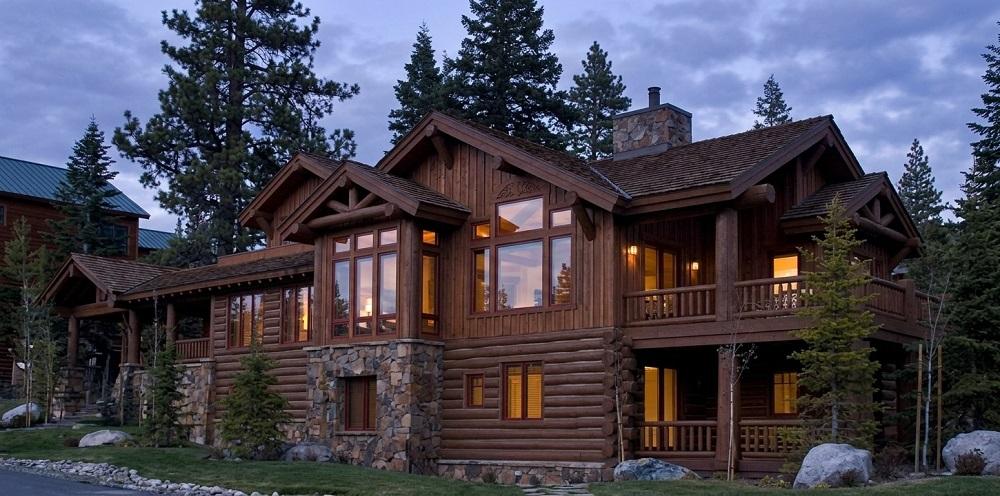
Wood brings a natural warmth to a home's exterior. Its grain, changing tones, and textured surfaces can make a building feel connected with its surroundings. The roof shapes how that character comes together, creating either a sharp modern contrast or a softer, more traditional appearance.
For wooden houses, the right roof design depends on more than appearance. Roof slope, rainfall, structural support, ventilation, and the type of wood used on the exterior all affect the final result.
Some modern roofs highlight the clean lines of timber walls, while others create broad overhangs that protect the exterior from rain and direct sunlight. The best choice combines a distinctive appearance with practical performance.
Standing-seam metal roofing is a strong option for homes with timber siding. Its long panels and raised seams create straight lines that contrast with the natural grain of wood.
Dark gray and black finishes can give a timber house a contemporary appearance, while muted metal tones can create a lighter, more understated effect.
Wood has visible texture, while metal panels usually have a more uniform finish. This contrast allows both materials to stand out without competing for attention.
A standing-seam roof can work especially well with simple rectangular homes, large windows, and minimal exterior decoration.
Before choosing metal, check the panel system, protective coating, fastening method, and suitability for local weather. Proper installation and roof detailing are important for managing moisture and preventing corrosion.
The gable roof remains a popular choice because its triangular profile is simple and recognizable. Modern versions often use clean edges, restrained trim, and fewer decorative details.
On a timber home, a gable roof can create a balanced appearance while allowing the wood siding to remain a central feature.
A steep gable can give a small wooden home a tall, distinctive profile. A lower slope may create a more relaxed appearance, depending on the building's proportions and climate.
Large front-facing windows, dark roof materials, and simple fascia boards can make the design feel modern without changing its basic shape.
Gable roofs also need suitable protection at the roof edges and careful detailing where the roof meets the walls. Wind exposure and rainfall should be considered when selecting the roof's slope and construction.
A shed roof has one main sloping surface, giving the house a clear and uncomplicated outline. It suits contemporary timber architecture, especially homes with asymmetrical layouts or large windows.
The roof can rise toward one side of the building, creating room for taller windows and allowing the interior ceiling to follow the roofline.
This design can suit a compact woodland home, a modern cabin, or a timber extension attached to an existing property.
The higher wall may create opportunities for natural light, while the slope directs rainwater toward a planned drainage edge.
However, the roof's direction matters. The slope should suit local rainfall, wind exposure, and drainage arrangements. Roof windows and other openings also need appropriate flashing and weather protection.
Low-slope roofs create a quiet horizontal profile that pairs well with modern timber walls. They can make a home appear wider and emphasize its overall shape rather than drawing attention to a steep roofline.
This design is common in contemporary architecture, where simple geometry and uninterrupted surfaces are important.
A low-slope roof is not completely flat. It needs a suitable fall that directs water toward drains or roof edges.
Waterproofing, flashing, insulation, and drainage require careful planning because water moves more slowly than it does on a steep roof.
For wooden structures, moisture management is particularly important. The roof assembly must prevent water from entering the building and allow the structure to perform as intended.
A qualified professional can assess whether the existing framing supports the proposed roof system.
Roof overhangs can be both a design feature and a practical addition. Extending the roof beyond the walls can create strong horizontal lines while helping shield wooden siding from some rain and direct sunlight.
The result can feel modern without relying on unusual roof shapes or expensive exterior decoration.
Broad overhangs can create shade around windows and entrances. They may also help reduce direct sun exposure on certain wall surfaces, depending on the building's orientation.
Timber siding still needs suitable installation, finishing, and maintenance. Overhangs cannot protect every part of a wall from wind-driven rain or moisture.
The size and support of the overhang should be planned around the structure, local wind conditions, and intended appearance.
A butterfly roof has two roof sections that slope inward toward a central valley. The shape creates a dramatic profile that can suit contemporary wooden homes with large windows and open interiors.
The upward edges can give the building a lifted appearance, while the central valley creates a clear architectural feature.
This design needs careful drainage planning because water moves toward the central valley. The valley, waterproofing, outlets, and roof joints must be designed to handle local rainfall.
Maintenance access should also be considered. Leaves and debris can collect in drainage areas, potentially causing blockages.
A butterfly roof can make a timber home visually distinctive, but its drainage and structural requirements should be assessed before construction.
A green roof introduces vegetation across part or all of a roof surface. When paired with timber walls, it can create a strong connection between the building and its surroundings.
The combination may suit homes near wooded areas, gardens, or landscapes where the architecture is intended to blend with nature.
A green roof requires more than soil and plants. The system typically includes waterproofing, root protection, drainage, a growing medium, and vegetation suited to the climate.
The structure must support the additional weight, including water retained after rainfall. This requirement is especially important when adapting an existing wooden house.
Maintenance needs depend on the type of planting and roof system. A professional assessment can help determine whether the design is suitable for the building.
The roof material affects the home's appearance, maintenance needs, and overall performance. A suitable choice should complement the timber while meeting structural and weather requirements.
|
Roof material |
Appearance with wood |
Main consideration |
|
Standing-seam metal |
Crisp and contemporary |
Coating, fastening, and installation |
|
Asphalt shingles |
Familiar and adaptable |
Slope, ventilation, and lifespan |
|
Concrete tiles |
Textured and substantial |
Structural weight |
|
Natural slate |
Distinctive and refined |
Cost and specialist installation |
|
Roofing membrane |
Minimal, low-profile finish |
Waterproofing and drainage |
|
Green roof system |
Natural and landscape-like |
Weight, upkeep, and moisture control |
The table offers a general guide. The best material depends on the roof design, the structure's capacity, local weather, and the homeowner's budget.
Timber comes in many shades, ranging from pale honey and golden oak to deep brown and weathered gray. The roof color should complement these tones rather than compete with them.
Test material samples against the actual siding. Sunlight can change how both the timber and roof finish appear throughout the day.
A roof may look ideal in a design photograph, but the building's practical needs should guide the final decision.
Before settling on a style, check:
Homeowners planning a roofing project in Georgia can consult a roofing company in Augusta GA about roof condition, suitable materials, and options that fit the home's structure and local weather.
Readers interested in timber interiors, exterior design, and practical decorating ideas can also look for opportunities to “write for us” home decor and share useful knowledge with other homeowners.
Modern roof designs can give wooden houses very different personalities. Standing-seam metal creates a clean contrast, gable roofs preserve a familiar shape, shed roofs emphasize simple lines, and broad overhangs add depth while helping shield the walls.
More unusual choices, such as butterfly roofs and green roofs, can create distinctive architecture but require careful planning.
The right design should work with the timber, local climate, roof structure, and drainage system. When these details come together, the roof can complement the natural character of the house while giving it a fresh, modern appearance.
Visit for new updates at realixia.com