MRNA Manufacturing Raw Materials Market Companies, Market Share, Business Strategies and Forecast 2026–2035
Health |
2026-09-03 12:16:28
 Russian
 English
 Romaian
 Portuguese (Brazil)
 Greek
Greek
For many people across the UK, takeaway food has become part of everyday life. A sandwich picked up during a lunch break, a meal collected after work or a quick breakfast bought on the way to the office can save valuable time. Customers may only spend a few minutes choosing what to eat, but they can remember the experience for much longer.
Taste will always be important, but it is not the only thing that shapes satisfaction. Freshness, appearance, portion size, convenience and consistency all influence how customers feel about a food business. When these details are handled well, even a simple takeaway meal can feel carefully prepared and worth returning for.
Freshness is one of the easiest qualities for customers to notice. Crisp vegetables, soft bread, vibrant colours and well-prepared ingredients immediately create a more appealing impression.
For food businesses, maintaining that quality throughout the day requires good planning. Ingredients should be stored correctly, preparation times should be monitored and staff should understand how long different foods can maintain their best condition.
Preparing everything too early can affect texture and appearance. At the same time, preparing too little can create delays when demand suddenly increases. Finding the right balance requires businesses to understand their normal sales patterns.
Lunch periods are particularly important for cafés, delis and takeaway shops. Reviewing previous sales can help predict busy periods and ensure popular ingredients are ready without creating unnecessary waste.
Customers often see their food before they taste it. This makes appearance an important part of the buying experience.
A sandwich with neatly arranged ingredients can appear fresher than one that has been assembled carelessly. Similarly, evenly portioned salads, colourful fillings and clean presentation can make a simple meal more tempting.
Businesses should establish clear preparation standards. Staff should know how products are expected to look when they reach the customer.
This does not mean every meal has to look identical. Natural variation is expected, particularly when food is prepared by hand. The aim is to create a reliable standard that customers can recognise.
Freshness is not simply about temperature. Texture can have an equally important effect on enjoyment.
Crispy ingredients can become soft when exposed to moisture. Bread can lose its texture when it remains in contact with wet fillings for too long. Sauces can also affect the structure of a meal if they are added too early.
Businesses can reduce these issues by considering when ingredients are assembled. Some components may be better added immediately before serving rather than several hours in advance.
For example, vegetables that release moisture may need careful preparation, while sauces can sometimes be offered separately for customers who prefer to add them themselves.
These small decisions can make a noticeable difference to the final bite.
Sandwiches are among the most convenient takeaway foods, but customers still expect them to look fresh and appetising.
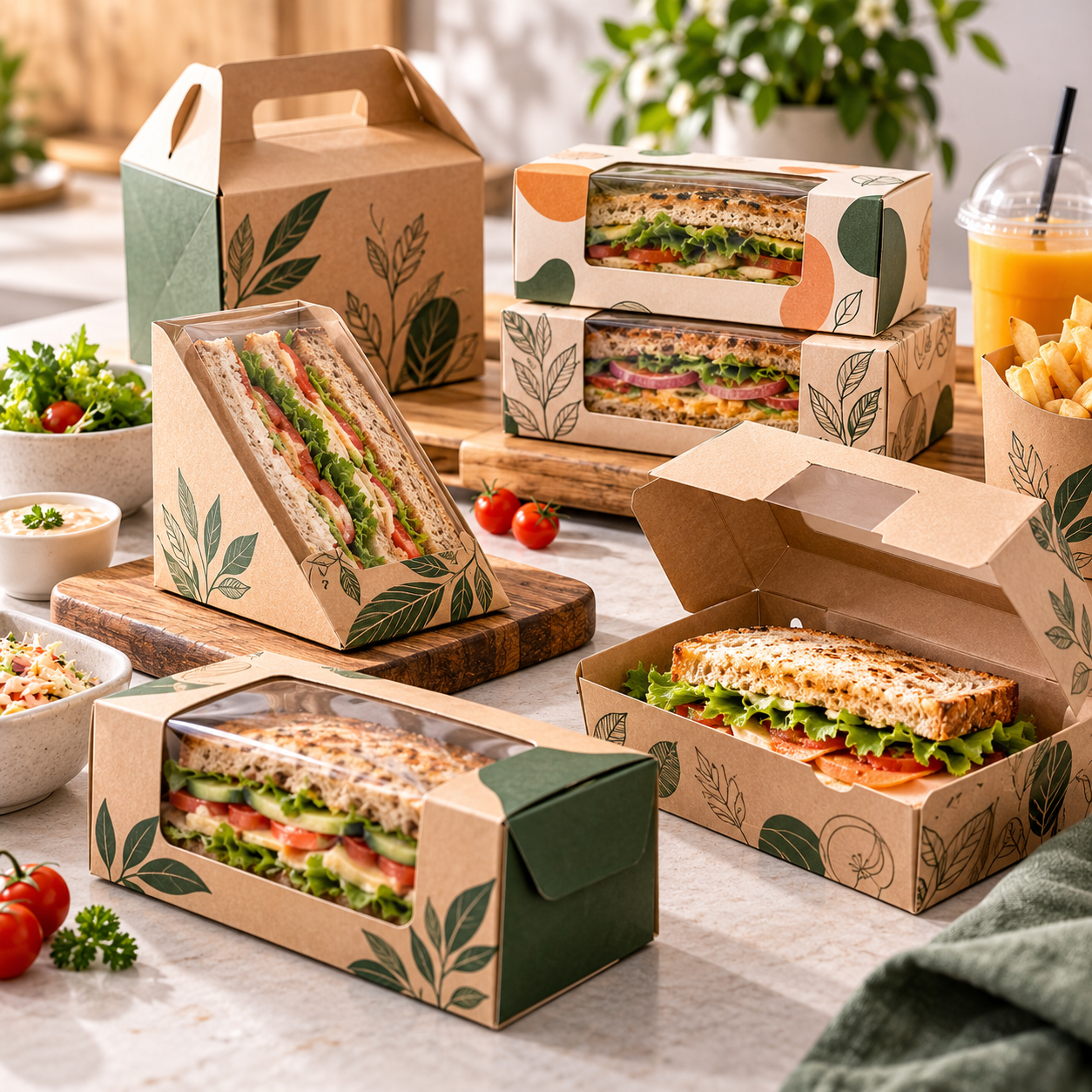
Sandwich Boxes can help businesses present individual sandwiches neatly while keeping them organised during collection or delivery. The important consideration is choosing a suitable format for the size and type of product.
Different sandwiches may require different approaches. A simple cheese sandwich will behave differently from one containing salad, tomatoes and sauces.
Businesses should test popular products at realistic times after preparation. If bread becomes compressed or fillings move, the serving process may need adjustment.
The objective is to make the sandwich easy to handle while preserving its appearance and texture.
A memorable takeaway meal often comes from simple ingredients used well.
Fresh vegetables, good-quality bread, suitable sauces and balanced fillings can create a satisfying product without unnecessary complexity.
Businesses should understand what their customers actually prefer. A menu does not need dozens of options if a smaller selection consistently performs well.
Customer feedback can help identify popular combinations and products that are less successful. Sales data can provide another useful perspective.
Seasonal ingredients can also introduce variety. Spring vegetables, summer salads and autumn-inspired fillings can give customers a reason to try something different without completely changing the menu.
People often choose takeaway food because they are short on time. The experience should therefore be straightforward.
Customers want to order easily, collect their food without unnecessary waiting and enjoy it wherever they happen to be.
This is particularly relevant for office workers and commuters. A meal that is difficult to carry or messy to eat can quickly become inconvenient.
Businesses should consider the different situations in which customers consume their products. A lunch designed for someone sitting at a café table may need a different approach from one intended for someone eating at a desk.
Simple instructions, clear labelling and sensible portions can make everyday purchases easier.
Consistency is one of the strongest ways to build customer trust.
If a customer enjoys a particular sandwich on Monday, they should expect a similar experience when ordering it the following week. Major differences in portion size, ingredient balance or presentation can create disappointment.
Training is important here. Staff need clear instructions about preparation, storage and serving.
Businesses can use photographs or simple preparation guides to show what finished products should look like. This is especially useful when new employees join the team.
Regular checks can also identify problems before they become common.
Food waste is an important issue for UK businesses. Throwing away large quantities of unused ingredients can affect both operating costs and environmental performance.
Better forecasting can help. Businesses should review which products sell quickly and which tend to remain unsold.
Smaller preparation batches may be useful for slower periods, while popular products can be prepared in greater quantities during predictable busy times.
Stock rotation should also be handled carefully. Staff should understand which ingredients need to be used first and how storage conditions affect quality.
Reducing waste should never mean serving food beyond its appropriate quality period. Customer safety and food standards must remain the priority.
Customers provide information that businesses cannot always obtain from sales figures alone.
Reviews may mention freshness, portion sizes, presentation, convenience or value. Direct comments can reveal small problems that might otherwise remain unnoticed.
Businesses should pay attention to repeated feedback rather than changing everything because of one comment.
If several customers say a product is difficult to eat, that is worth investigating. If customers repeatedly praise a particular ingredient combination, it may be worth keeping that feature prominent.
Staff feedback is equally useful. Employees work directly with ingredients and preparation processes and can often identify practical issues early.
A strong food business develops its own identity over time.
This identity can come from recipes, ingredients, presentation, service or the atmosphere surrounding the brand. A local café may become known for generous sandwiches, while another business might be recognised for fresh seasonal ingredients.
The goal is not to imitate larger chains. Independent businesses have an opportunity to create experiences that feel personal and distinctive.
Even small details can contribute. Friendly service, consistent preparation and a clear menu can help customers remember the business.
Customer habits continue to change. People may want healthier choices, convenient lunches, vegetarian options, reduced waste or more information about ingredients.
Food businesses should monitor these changes without abandoning what already works.
A useful approach is to introduce small trials. A new sandwich can be offered for a limited period, customer reactions can be collected and sales can then be reviewed.
This reduces the risk of making major changes without evidence.
Businesses should also ensure allergen information remains clear and accurate. Customers need confidence when choosing food, particularly when they have specific dietary requirements.
The most effective improvements are often simple. Fresh ingredients, careful preparation, consistent portions and convenient serving can make an everyday takeaway feel considerably better.
Businesses do not need to make every product complicated or expensive. Customers generally appreciate food that tastes good, looks fresh and is easy to enjoy.
For UK cafés, delis, bakeries and takeaway businesses, the strongest strategy is to understand customers and pay attention to the details they experience every day.
When freshness is protected, ingredients are thoughtfully prepared and service remains consistent, customers notice the difference. A simple sandwich or takeaway meal can then become something they genuinely look forward to ordering again.
Ultimately, great takeaway food is about creating confidence before the first bite and satisfaction after the last one. When businesses consistently deliver on freshness, flavour, appearance and convenience, they can build positive experiences that encourage customers to return, recommend the business to others and become part of its long-term growth.