Activewear Market Analysis: Sports Bras, Leggings & Performance Wear Growth
Other |
2026-08-18 10:00:29
 Russian
 English
 Romaian
 Portuguese (Brazil)
 Greek
Greek
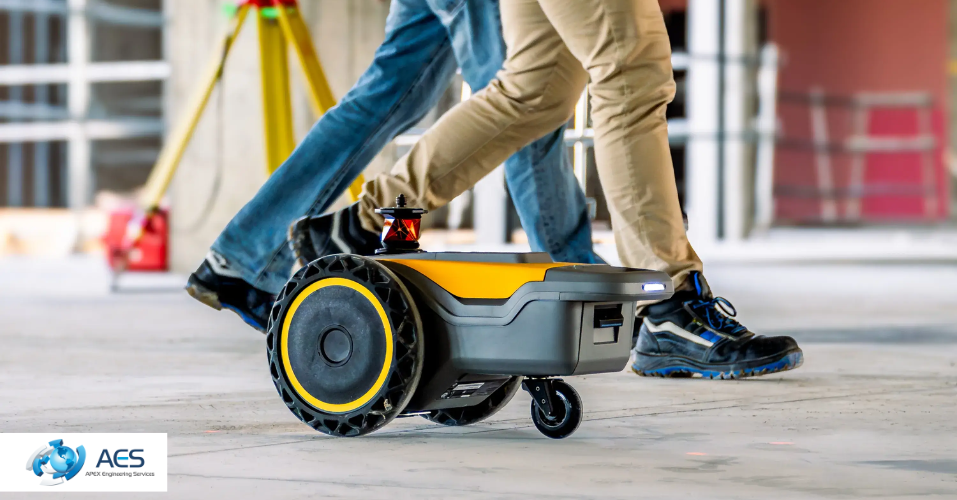
Modern construction projects require precise measurements, reliable positioning, and efficient site coordination. From commercial developments to infrastructure projects, even small setting-out errors can lead to delays, material waste, and expensive rework. Construction Layout & Robotics helps construction teams improve accuracy by combining advanced surveying equipment, digital design data, and automated positioning technology.
For UK contractors, engineers, and developers, these methods can support better coordination between design plans and on-site construction activities. When combined with professional Survey Control Services, construction layout technology helps establish dependable reference points and maintain consistency throughout a project.
Apex Engineering Services provides surveying solutions to support construction and engineering work, helping project teams obtain the information they need for effective planning and execution.
Construction layout is the process of transferring measurements and design information from drawings or digital models onto a physical construction site. It identifies where elements such as foundations, walls, columns, drainage systems, and structural components should be positioned.
Robotic surveying instruments, including robotic total stations, can automatically track a surveyor's target and measure angles and distances with a high level of precision. Depending on the equipment and project requirements, these instruments can help one-person surveying teams complete specific setting-out tasks efficiently.
Robotic surveying combines electronic measurement with digital design information. Surveyors establish known reference points, configure the instrument, and use approved project coordinates to set out required positions.
The process commonly involves:
Establishing survey control points across the site.
Importing or preparing design coordinates.
Positioning robotic total stations at suitable locations.
Setting out foundations, gridlines, structural elements, and other features.
Checking measurements against the design requirements.
Recording survey information for quality assurance.
The equipment and workflow selected will depend on the site environment, required tolerances, design information, and construction stage.
Accuracy is essential when multiple trades and contractors work from the same drawings. Reliable setting-out information helps teams understand where construction elements belong and reduces the risk of discrepancies between design intent and completed work.
Robotic total stations can measure positions precisely when correctly configured and operated. Using verified coordinates and established control points helps surveyors transfer design information consistently across a construction site.
However, accuracy still depends on instrument calibration, site conditions, control quality, correct setup, and the competence of the surveying team.
Robotic instruments can automate certain measurement and tracking tasks, potentially reducing the time required for repetitive setting-out activities. This can help surveyors complete work efficiently and allow construction teams to coordinate subsequent tasks more effectively.
Incorrect positioning can affect foundations, steelwork, drainage, and building alignment. Checking set-out points against approved drawings before construction progresses helps identify discrepancies early, when they are generally easier to address.
Digital construction workflows allow survey information to be used alongside CAD drawings and building information modelling (BIM) data. This can improve communication between surveyors, designers, engineers, and site managers when everyone works from consistent, verified information.
Reliable setting-out depends on a stable and accurate reference system. Survey Control Services establish and verify the control points used to position construction elements and coordinate measurements across a site.
These reference points provide a consistent framework for surveying activities throughout different construction phases.
Survey control may involve creating coordinate networks, establishing benchmarks, checking existing reference points, and verifying positions against project requirements.
A suitable control network helps different surveying teams use the same reference system, reducing the risk of inconsistent measurements between site areas or construction stages.
Control points need appropriate checking and protection throughout a project. Construction activity, ground disturbance, or accidental movement can affect their reliability.
Regular verification helps identify potential discrepancies before they influence setting-out work. Surveyors should also document relevant checks and follow the project's specified accuracy and reporting procedures.
Large developments often involve multiple buildings, structural elements, service routes, and contractors. Professional control arrangements help maintain consistent positioning across these different work packages.
When combined with Construction Layout & Robotics, reliable survey control can support more coordinated construction and dependable dimensional checks.
Construction layout and robotic surveying can support a wide range of projects, including:
Commercial buildings: Setting out foundations, columns, walls, and structural grids.
Residential developments: Positioning building footprints, boundaries, and access routes according to approved designs.
Infrastructure: Supporting alignment and positioning tasks for roads, drainage, and associated structures.
Industrial facilities: Helping coordinate equipment bases, structural steelwork, and service installations.
Refurbishment projects: Checking existing dimensions and establishing reference points for proposed alterations.
The exact approach will vary according to the project's complexity, design specifications, and site conditions.
Selecting a surveying partner is an important decision for any construction project. Apex Engineering Services supports construction and engineering work through surveying solutions designed to provide useful, accurate site information.
When evaluating a provider, consider its experience with comparable projects, equipment capabilities, quality-control procedures, deliverable formats, and ability to work with your project team.
Discuss your requirements in advance, including site control, setting-out tolerances, CAD information, programme deadlines, and the checks needed at critical construction stages. This helps ensure that the surveying scope matches the project's practical needs.
Planning a construction project in the UK? Contact Apex Engineering Services to discuss your Construction Layout & Robotics requirements and ask how professional Survey Control Services could support your site. Request a tailored quotation based on your drawings, project scope, required accuracy, and construction schedule.
It combines construction setting-out methods with robotic surveying technology to transfer design coordinates and measurements accurately onto a physical site.
They establish, verify, and maintain the reference points and coordinate systems used for accurate surveying and construction positioning.
A robotic total station is an electronic surveying instrument that measures angles and distances and can automatically track a surveyor's target.
It can help reduce positioning errors when used correctly with verified design data and reliable control points. Appropriate checking and quality assurance remain essential.
Commercial buildings, residential developments, infrastructure, industrial facilities, and refurbishment projects may benefit, depending on their measurement and positioning requirements.
Contact Apex Engineering Services with your project location, drawings, construction schedule, and setting-out requirements to discuss suitable services and obtain a quotation.