Russian
 English
 Romaian
 Portuguese (Brazil)
 Greek
Greek

Frozen Bakery Products Market Growth Trends and Future Industry Outlook
Food |
2026-08-06 06:29:54
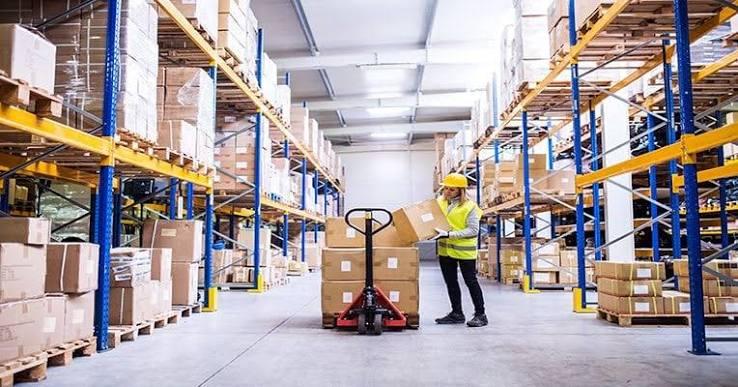
A 3PL warehouse is a storage and fulfillment facility operated by a third-party logistics company on behalf of other businesses. These facilities handle receiving, storage, order fulfillment, shipping, and returns, allowing companies to outsource their logistics operations instead of managing their own warehouses.
Running a business that sells physical products means dealing with storage, packing, and shipping sooner or later. For many growing companies, handling all of this in-house becomes a logistical headache that eats into time better spent on product development and customer relationships. That's where a 3PL warehouse comes in.
If you've been researching ways to streamline your supply chain, you've probably come across the term "3PL" more than once. But what does it actually mean, and how does it work in practice? This post breaks down everything you need to know about 3PL warehouses, from the basics of how they operate to the specific services they offer and how to pick the right partner for your business.
By the end, you'll have a clear picture of whether a 3PL warehouse makes sense for your operation and what to look for when evaluating potential partners.
Before diving into warehouse specifics, it helps to understand what 3PL actually stands for. What is 3PL is short for third-party logistics, a term that describes outsourcing various logistics and supply chain functions to an external provider. Instead of managing warehousing, inventory, and shipping internally, a business hands these responsibilities over to a specialized 3PL company.
This arrangement has become increasingly common as e-commerce has grown. Businesses that once shipped a handful of orders a week now might ship hundreds or thousands, and that kind of volume requires infrastructure, software, and staffing that many companies simply don't have the resources to build themselves.
A 3PL company acts as an extension of your business, managing the physical and logistical side of order fulfillment so you can focus on sales, marketing, and product development.
At its core, a 3PL warehouse functions as a hub where your inventory lives until it's ready to be shipped to customers. Here's a simplified look at the process:
This entire cycle is typically supported by software that integrates with your e-commerce platform, giving you real-time visibility into inventory levels, order status, and shipping updates.
Not all 3PL providers offer identical services, but most cover these core areas.
When inventory arrives at the warehouse, the 3PL company is responsible for accurately receiving, counting, and storing it. This includes:
Good receiving practices prevent inventory errors down the line, which is why this step matters more than it might seem at first glance.
Order fulfillment is often considered the heart of what a 3PL warehouse does. This process includes:
Fast, accurate fulfillment directly affects customer satisfaction, so this is typically an area where 3PL companies invest heavily in technology and training.
Once an order is packed, the 3PL warehouse coordinates with shipping carriers to get it to the customer. Many 3PL providers have negotiated bulk shipping rates with major carriers, which can translate into cost savings for your business.
On the flip side, returns management involves:
Handling returns smoothly is important for maintaining customer trust, especially in industries like apparel where return rates tend to run high.
Partnering with a 3PL warehouse offers several advantages for growing businesses:
Cost savings: Building and maintaining your own warehouse requires significant capital investment in space, equipment, and staff. A 3PL warehouse spreads these costs across multiple clients, often resulting in lower per-order costs than doing it yourself.
Scalability: As your order volume fluctuates seasonally or grows over time, a 3PL company can adjust warehouse space and labor accordingly, something that's much harder to do with your own facility.
Faster shipping: Many 3PL providers operate multiple warehouse locations across a region or country, allowing you to store inventory closer to your customers and reduce shipping times.
Access to expertise and technology: 3PL companies specialize in logistics, which means they typically have more advanced warehouse management systems and more experienced staff than an individual business could develop on its own.
More time for core business activities: Outsourcing logistics frees up your team to focus on areas like product development, marketing, and customer service rather than getting bogged down in warehouse operations.
Not every 3PL provider is the right fit for every business. Here are some factors worth considering:
Choose a 3PL warehouse that specializes in your product category if handling requirements are complex. Choose a more generalized provider if your products are straightforward to store and ship and cost efficiency matters more than specialized handling.
Deciding whether to partner with a 3PL warehouse comes down to weighing your current logistics capabilities against your growth plans. If managing inventory and fulfillment in-house is pulling focus away from growing your business, it may be time to explore what a 3PL company can offer.
Start by researching providers that specialize in your product category and comparing their pricing, technology, and warehouse locations against your specific needs. The right partnership can free up valuable time and resources, letting you concentrate on what you do best: building and growing your business.
What does 3PL stand for?
3PL stands for third-party logistics, which refers to outsourcing warehousing, fulfillment, and shipping functions to an external provider rather than managing them in-house.
How much does it cost to use a 3PL warehouse?
Costs vary depending on factors like storage space needed, order volume, and the specific services used. Most 3PL companies charge based on a combination of storage fees, pick-and-pack fees, and shipping costs.
Is a 3PL warehouse suitable for small businesses?
Yes, many 3PL companies offer scalable solutions that work for small businesses, allowing them to avoid the upfront investment of building their own warehouse while still benefiting from professional fulfillment services.
What is the difference between a 3PL and a 4PL?
A 3PL handles the physical logistics of warehousing, fulfillment, and shipping. A 4PL, or fourth-party logistics provider, typically manages the entire supply chain strategy, often coordinating multiple 3PL providers on a client's behalf.
How long does it take to set up a 3PL partnership?
Setup timelines vary depending on the complexity of your inventory and how well your systems integrate with the provider's software, but it can range from a few weeks to a couple of months.
What happens if my 3PL warehouse makes an error on an order?
Reputable 3PL companies typically have processes in place to address fulfillment errors, including correcting the mistake and, in some cases, covering the cost of reshipping the correct item. Review your service agreement to understand specific policies.